💇🏻♀️
The Emoji
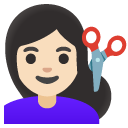
Woman Getting Haircut: Light Skin Tone
U+1F487 U+1F3FB U+200D U+2640 U+FE0F · :woman_getting_haircut_light_skin_tone:
Trend 58
Meaning layers
- interpretation
- Self-care era, glow-up in progress, or the classic 'new hair new me' energy. Often used to signal a major change, a breakup recovery arc, or simply treating yourself.
- tiktok usage
- Used in 'glow-up' transformation videos, 'cut him off and cut my hair' breakup content, or salon reveal transitions. Frequently in 'girl dinner to girl treatment' self-care content.
- irony level
- 3 / 10
Platform meanings
- meaning
- Signals a transformation arc, salon day content, or breakup-induced hair chop. Associated with empowerment and 'new chapter' energy.
- trend usage
- Used in hair transformation reveals, 'glow-up check' videos, self-care routine TikToks, and the pervasive 'she healed herself one haircut at a time' narrative.
- hashtags
- #NewHairNewMe#GlowUp#SelfCareSunday#HairTransformation#TreatYourself
- virality score
- 62 / 100
Cultural meanings
🇺🇸
Western / Gen-Z
Strongly associated with self-care culture, the 'new hair new me' trope, and post-breakup transformation arcs. Frequently ironic but also genuinely celebratory.
🇵🇰
Pakistan & India
Commonly used to signal a parlour visit or hair appointment, especially among urban women. Associated with Eid or wedding prep beauty routines and self-care celebrations.
🌍
Middle East
Used among women to indicate salon visits, which are significant social and self-care rituals in many Middle Eastern cultures. Often shared in private female-only group chats.
🌐
Global Neutral
Universally understood as representing a haircut or salon appointment. One of the more straightforwardly interpreted emojis across cultures.
🇧🇩
Bangladesh
Used primarily in practical contexts to indicate a salon or parlour visit, especially before cultural events or family gatherings.
🇱🇰
Sri Lanka
Represents beauty parlour visits, which are common social rituals for women. Often used before weddings, festivals, or important events.
🇨🇳
China
Associated with beauty salon culture and self-care routines. Popular among young women in urban areas who engage in regular grooming and wellness practices.
🇯🇵
Japan
Tied to the meticulous beauty culture of Japan. Represents not just a haircut but a full grooming ritual, often signaling careful attention to appearance and self-presentation.
🇰🇷
South Korea
Strongly resonant in Korea's highly developed beauty and grooming culture. Associated with K-beauty self-care routines and the cultural importance of appearance.
🇹🇼
Taiwan
Used casually to indicate salon visits or self-care days, fitting naturally into Taiwanese social media culture around wellness and appearance.
🇭🇰
Hong Kong
Represents salon culture in a fast-paced urban environment. Often signals a much-needed self-care break amid a busy lifestyle.
🇵🇭
Philippines
Used to signal parlour visits, which are popular affordable self-care activities. Often appears before special events like fiestas, birthdays, or family gatherings.
🇮🇩
Indonesia
Commonly used among young women to indicate salon appointments or self-care routines, particularly popular in urban beauty and lifestyle content.
🇹🇭
Thailand
Associated with Thailand's thriving beauty and salon industry. Used casually for salon visits and frequently in beauty-related social media content.
🇻🇳
Vietnam
Represents visits to the salon or toc shop, a common and affordable self-care practice. Shared among friends planning beauty days together.
🇲🇾
Malaysia
Used to indicate hair salon appointments and self-care activities. Resonates across the multicultural beauty landscape of Malaysian women.
🇸🇦
Saudi Arabia
Significant in a context where women's beauty routines are important private rituals. Shared in women's only spaces and family group chats to signal salon days.
🇦🇪
UAE
In the cosmopolitan UAE, represents the thriving luxury salon culture. Used by expats and locals alike to signal high-end grooming appointments.
🇪🇬
Egypt
Represents the popular and socially significant coiffeur visit. Hair salons are important social spaces for women, making this emoji culturally resonant.
🇹🇷
Turkey
Tied to Turkey's rich salon culture where kuaför visits are routine social activities. Often shared enthusiastically before special occasions or holidays.
🇮🇷
Iran
Used among women in private digital spaces to share beauty salon experiences, which are important feminine social rituals in Iranian culture.
🇳🇬
Nigeria
Represents visits to the hair salon, a central social and cultural institution for Nigerian women. Associated with elaborate styling sessions that are community events.
🇿🇦
South Africa
Resonates with the vibrant township and urban salon culture. Hair is deeply tied to identity and community, giving this emoji meaningful cultural weight.
🇬🇧
UK & Ireland
Used casually for salon appointments and self-care days. Often appears in the context of the popular British 'treat yourself' culture and Monday motivation content.
🇫🇷
France
Associated with the chic French approach to self-care and beauty maintenance. Represents the coiffeur visit as a regular refined practice rather than a special occasion.
🇩🇪
Germany
Used practically to indicate haircut appointments. Germans tend to use this emoji straightforwardly without heavy ironic or cultural layering.
🇪🇸
Spain & Italy
Tied to the strong beauty and grooming culture in Southern Europe. Represents visits to the parrucchiera or peluquería, which are important social and aesthetic rituals.
🇧🇷
Brazil
Extremely resonant in Brazil's vibrant beauty culture where hair care is a major cultural practice. Used frequently in beauty content, salon promotions, and self-care discussions.
🇲🇽
Mexico
Associated with salon culture and self-care routines. Used warmly in social contexts to share beauty appointments and celebrate transformations.
🌎
Latin America
Broadly used across Latin America where beauty salon culture is strong and hair care is a significant cultural practice tied to femininity and self-expression.
🇦🇺
Australia & NZ
Used casually for salon bookings and self-care posts. Fits into the laid-back Aussie wellness culture and the growing self-care content space in the region.
How its meaning shifted
- 2010
Emoji largely did not exist in this form; basic smiley-focused emoji sets dominated. Hair service representation was not yet available.
- 2015
Basic haircut emoji introduced; used simply and literally to indicate getting a haircut with minimal cultural or ironic layering.
- 2020
Skin tone and gender modifiers widely adopted. Gained new cultural meaning around self-care culture, wellness movements, and the post-pandemic glow-up trend.
- 2026
Deeply embedded in self-care, transformation, and 'new era' content culture. Used both sincerely and ironically across all major platforms with sophisticated layered meanings.
See it on every platform
Compare with
Adjacent emojis
- Often confused with
- barber poleperson getting massagewoman getting massage light skin tone
- Can replace
- scissorssparklesnail polish
Share & embed
Frequently asked
01What does the 💇🏻♀️ Woman Getting Haircut: Light Skin Tone emoji mean?
A woman with light skin tone receiving a haircut or hair styling service, depicted from the shoulders up with scissors near the hair.
02What does 💇🏻♀️ mean on TikTok?
Signals a transformation arc, salon day content, or breakup-induced hair chop. Associated with empowerment and 'new chapter' energy.
03What does 💇🏻♀️ mean on WhatsApp?
Telling a friend about a salon appointment or asking if they want to come along. Also used to celebrate a fresh cut.
04What does 💇🏻♀️ mean in Gen-Z slang?
Self-care era, glow-up in progress, or the classic 'new hair new me' energy. Often used to signal a major change, a breakup recovery arc, or simply treating yourself.
05Is the 💇🏻♀️ emoji safe to use?
A woman getting a haircut or visiting a salon — a wholesome, self-care oriented emoji with no inherent negative connotations.
06What does 💇🏻♀️ mean in texting?
Hair cutting is deeply tied to identity transformation and emotional release in psychology. This emoji often signals a symbolic fresh start, shedding the past, or reclaiming agency over one's appearance and life narrative.
07What is the shortcode for 💇🏻♀️?
The shortcode for Woman Getting Haircut: Light Skin Tone is :woman_getting_haircut_light_skin_tone:
08What does 💇🏻♀️ mean in dating?
Rarely used for direct flirting; may be sent to a partner as a hint to notice a new haircut or as playful self-care signaling ('taking care of myself today 💇🏻♀️').
Safety & usage
- Safe meaning
- A woman getting a haircut or visiting a salon — a wholesome, self-care oriented emoji with no inherent negative connotations.
- Caution
- Rarely weaponized; occasionally used in misogynistic memes playing on stereotypes about women making impulsive decisions post-breakup.
Generally very safe. The only mild concern is use in content that trivializes women's emotional experiences by reducing them to hair-cutting tropes, but this is low risk.
How it looks across platforms
Appearance varies by platform and device. Google Noto, Twemoji, and OpenMoji are open-source.