👨🏿❤️👨🏿
The Emoji
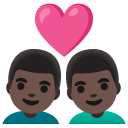
Couple With Heart: Man, Man, Dark Skin Tone
U+1F468 U+1F3FF U+200D U+2764 U+FE0F U+200D U+1F468 U+1F3FF · :couple_with_heart_man_man_dark_skin_tone:
Trend 58
Meaning layers
- interpretation
- Used to celebrate Black gay love, queer relationships, and representation. Also used broadly to show brotherhood, deep platonic bonds, or solidarity between two dark-skinned men.
- tiktok usage
- Appears in coming-out videos, pride content, Black queer creator spaces, and relationship anniversary posts. Sometimes used as a support signal in comment sections.
- irony level
- 1 / 10
Platform meanings
- meaning
- Symbol of Black gay love and queer representation; used in coming-out stories, couple duets, and Pride content.
- trend usage
- Frequently appears in #BlackLove and #BlackPride videos, commentary on LGBTQ+ representation in media, and relationship milestone TikToks.
- hashtags
- #BlackLove#BlackPride#QueerRepresentation#GayCouple#RepresentationMatters
- virality score
- 62 / 100
Cultural meanings
🇺🇸
Western / Gen-Z
Widely embraced as a positive symbol of Black gay love and queer representation; Gen Z uses it openly in celebration and solidarity.
🇵🇰
Pakistan & India
Rarely used due to social conservatism around same-sex relationships; LGBTQ+ communities in urban areas may use it privately in safe digital spaces.
🌍
Middle East
Largely avoided in public digital communication due to legal and social restrictions on same-sex relationships across most of the region.
🌐
Global Neutral
Universally recognized as representing a same-sex male couple with dark skin tones; interpretation varies widely by cultural context.
🇧🇩
Bangladesh
Very rarely used publicly; same-sex relationships face significant social and legal stigma, limiting this emoji to private LGBTQ+ circles.
🇱🇰
Sri Lanka
Uncommonly used in mainstream contexts; may appear in private conversations among LGBTQ+ communities in urban areas like Colombo.
🇨🇳
China
Rarely used openly due to social conservatism and content restrictions; gay communities may use it in private or coded communication.
🇯🇵
Japan
Used within Japan's LGBTQ+ community, particularly in Tokyo's Ni-chome district culture; broader public use remains limited due to social norms.
🇰🇷
South Korea
Used primarily within LGBTQ+ activist spaces and online communities; mainstream usage is limited due to prevailing conservative attitudes.
🇹🇼
Taiwan
More openly used than in neighboring regions due to Taiwan's progressive LGBTQ+ legal landscape, including same-sex marriage legalization.
🇭🇰
Hong Kong
Used within LGBTQ+ communities and progressive circles; public visibility has become more cautious in recent years amid political changes.
🇵🇭
Philippines
Used in LGBTQ+ spaces and by allies; the Philippines has a relatively visible gay culture, though marriage equality is not yet legal.
🇮🇩
Indonesia
Rarely used publicly due to strong social and religious conservatism; LGBTQ+ individuals use it only in private, secure digital spaces.
🇹🇭
Thailand
Used in LGBTQ+ communities and among allies; Thailand has a visible gay culture, though legal recognition of same-sex relationships remains limited.
🇻🇳
Vietnam
Used discreetly within LGBTQ+ communities; social acceptance is slowly growing, especially among younger urban populations.
🇲🇾
Malaysia
Almost never used publicly due to legal and religious prohibitions on same-sex relationships; restricted to private LGBTQ+ digital spaces.
🇸🇦
Saudi Arabia
Effectively absent from public digital communication due to strict legal prohibitions; any use would be highly covert.
🇦🇪
UAE
Rarely used due to legal restrictions on same-sex relationships; expatriate LGBTQ+ communities may use it privately.
🇪🇬
Egypt
Rarely used publicly due to significant social and legal risks associated with LGBTQ+ identity; used only in very private contexts.
🇹🇷
Turkey
Usage has declined in public spaces as social conservatism has increased; LGBTQ+ communities in Istanbul may still use it in supportive circles.
🇮🇷
Iran
Extremely rare in public digital use due to severe legal penalties; any use is confined to anonymous or highly private communication.
🇳🇬
Nigeria
Rarely used publicly due to strong legal and social prohibitions against same-sex relationships; private LGBTQ+ networks may use it discreetly.
🇿🇦
South Africa
More openly used than in most African nations due to constitutional protections for LGBTQ+ rights; celebrated in Cape Town Pride and similar spaces.
🇬🇧
UK & Ireland
Widely accepted and used openly in celebration of Black gay love, Pride events, and LGBTQ+ representation in both countries.
🇫🇷
France
Used in LGBTQ+ and progressive circles; France's secular tradition supports open use, though intersectional conversations around race and sexuality are ongoing.
🇩🇪
Germany
Embraced in LGBTQ+ spaces, Pride events like Christopher Street Day, and progressive urban communities; representation intersectionality is increasingly discussed.
🇪🇸
Spain & Italy
Used openly in Spain's progressive LGBTQ+ environment; less common in Italy where LGBTQ+ rights recognition lags, but growing in urban youth communities.
🇧🇷
Brazil
Used widely in Brazil's large and vibrant LGBTQ+ community; Black queer representation is celebrated especially during São Paulo Pride.
🇲🇽
Mexico
Used in LGBTQ+ and progressive spaces; growing visibility of Black Mexican LGBTQ+ voices adds layered meaning to this emoji.
🌎
Latin America
Variable use across the region; more open in Argentina, Chile, and Colombia; more restricted in Honduras, El Salvador, and other less LGBTQ+-inclusive nations.
🇦🇺
Australia & NZ
Widely used and celebrated; both countries have strong LGBTQ+ rights frameworks and visible Black and Pacific Islander queer communities.
How its meaning shifted
- 2010
This emoji did not exist; representation of same-sex couples or skin tone diversity in emoji was essentially absent in mainstream standards.
- 2015
Early versions of same-sex couple emoji began appearing but skin tone modifiers were not yet applied to ZWJ sequences; dark skin tone variants unavailable.
- 2020
Became more widely available across platforms after Unicode and major tech companies expanded ZWJ sequence support; usage grew during Black Lives Matter and Pride Month intersections.
- 2026
Now a recognized symbol of Black queer love with established usage in LGBTQ+ advocacy, personal expression, and representation conversations across all major platforms.
See it on every platform
Compare with
Adjacent emojis
- Often confused with
- men holding handspeople hugginghandshake
- Can replace
- couple with heartrainbow flagred heart
Share & embed
Frequently asked
01What does the 👨🏿❤️👨🏿 Couple With Heart: Man, Man, Dark Skin Tone emoji mean?
A couple with a heart between two men, both with dark skin tone. Composed via ZWJ sequence: man dark skin tone + ZWJ + red heart + ZWJ + man dark skin tone.
02What does 👨🏿❤️👨🏿 mean on TikTok?
Symbol of Black gay love and queer representation; used in coming-out stories, couple duets, and Pride content.
03What does 👨🏿❤️👨🏿 mean on WhatsApp?
Sent between gay Black partners as an affectionate symbol; also used by friends to show support or celebrate someone's relationship.
04What does 👨🏿❤️👨🏿 mean in Gen-Z slang?
Used to celebrate Black gay love, queer relationships, and representation. Also used broadly to show brotherhood, deep platonic bonds, or solidarity between two dark-skinned men.
05Is the 👨🏿❤️👨🏿 emoji safe to use?
A positive, affirming symbol of Black gay love and LGBTQ+ representation; widely appropriate in inclusive and progressive spaces.
06What does 👨🏿❤️👨🏿 mean in texting?
Carries significant emotional weight for Black LGBTQ+ individuals who rarely see themselves reflected in media. Seeing this emoji can affirm identity and reduce feelings of invisibility.
07What is the shortcode for 👨🏿❤️👨🏿?
The shortcode for Couple With Heart: Man, Man, Dark Skin Tone is :couple_with_heart_man_man_dark_skin_tone:
08What does 👨🏿❤️👨🏿 mean in dating?
Used by gay Black men to flirt, signal romantic interest, or express deep affection toward a partner. Can also appear in dating app bios to signal orientation and preference.
Safety & usage
- Safe meaning
- A positive, affirming symbol of Black gay love and LGBTQ+ representation; widely appropriate in inclusive and progressive spaces.
- Caution
- Can be weaponized by bad actors to mock, harass, or bait LGBTQ+ individuals in hostile online environments.
Usage in certain culturally conservative regions may expose individuals to social harm or legal risk. Platforms should be aware of regional context when moderating content involving this emoji.
How it looks across platforms
Appearance varies by platform and device. Google Noto, Twemoji, and OpenMoji are open-source.