🕓
The Emoji
Four O’clock
U+1F553 · :four_oclock:
Trend 35
Meaning layers
- interpretation
- Used to signal a specific vibe hour — often 4 AM insomnia culture, the '4 o'clock feeling' of post-school restlessness, or the weirdly productive late-afternoon slump.
- tiktok usage
- Appears in 'it's 4 AM and I'm—' storytelling videos or aesthetic 'golden hour is almost over' content.
- irony level
- 4 / 10
Platform meanings
- meaning
- Represents 4 AM insomnia content, aesthetic late-night vibes, or the weird restless 4 PM energy.
- trend usage
- Used in 'it's 4 AM and I just realized—' trend videos and after-school nostalgia montages.
- hashtags
- #4am#4amclub#fouroclockfeeling#latenightvibes#4pmslump
- virality score
- 42 / 100
Cultural meanings
🇺🇸
Western / Gen-Z
Deeply tied to 4 AM insomnia culture and the romanticization of sleeplessness; also signals the post-school 4 PM slump and boredom restlessness.
🇵🇰
Pakistan & India
Used practically for scheduling and time references in chats; 4 PM is a common chai-time hour, lending the emoji a warm, social connotation.
🌍
Middle East
4 PM falls during post-Asr prayer time in many regions, giving the emoji a subtle reference to daily rhythm and structured routine.
🌐
Global Neutral
Universally understood as a simple time indicator for 4:00 AM or PM with no strong cultural overlay.
🇧🇩
Bangladesh
Used in daily scheduling contexts; 4 PM often signals afternoon tea or the end of the school day in local culture.
🇱🇰
Sri Lanka
Straightforward time reference; 4 PM is associated with evening snack time and the winding down of the workday.
🇨🇳
China
Used practically for scheduling; 4 is considered an unlucky number in Chinese culture (sounds like 'death'), so the emoji can carry a mildly superstitious undertone in casual use.
🇯🇵
Japan
Precise time usage is valued; 4 PM signals the end of the school day and club activity time, making it nostalgically associated with after-school culture.
🇰🇷
South Korea
Associated with after-school hagwon (cram school) hours; 4 PM marks a shift in study routines and is used in scheduling academic activities.
🇹🇼
Taiwan
Used for time scheduling; the number 4 carries mild superstition similarly to mainland China, occasionally prompting avoidance in formal contexts.
🇭🇰
Hong Kong
Practical time reference; 4 PM is associated with afternoon dim sum or the end of the business afternoon, giving it a social dining connotation.
🇵🇭
Philippines
4 PM is merienda (afternoon snack) time, making this emoji warmly associated with afternoon breaks and casual family gatherings.
🇮🇩
Indonesia
Used for scheduling; 4 PM often coincides with Asr prayer time, giving the emoji a subtle daily-routine spiritual resonance.
🇹🇭
Thailand
Straightforward scheduling use; 4 PM marks the cooling of the day and the onset of evening market culture.
🇻🇳
Vietnam
Used practically for time communication; 4 PM signals the tail end of the workday and the beginning of street food culture hours.
🇲🇾
Malaysia
Dual resonance — 4 PM is associated with Asr prayer and afternoon tea (teh tarik time), making the emoji feel warm and routine-oriented.
🇸🇦
Saudi Arabia
4 PM follows Asr prayer time and marks an afternoon activity window before Maghrib; used in scheduling social and business events.
🇦🇪
UAE
Used in professional and social scheduling; 4 PM is a common meeting time in business contexts during cooler seasons.
🇪🇬
Egypt
4 PM is an active social hour; used in casual scheduling and is associated with afternoon café culture and family visits.
🇹🇷
Turkey
4 PM is tea (çay) time — a deeply cultural daily ritual — giving this emoji a warm, social, and quintessentially Turkish afternoon connotation.
🇮🇷
Iran
Used for scheduling; 4 PM is a common time for social visits and afternoon tea in Iranian household culture.
🇳🇬
Nigeria
Practical scheduling use; 4 PM marks the late afternoon and is associated with the end of school and market closing hours.
🇿🇦
South Africa
Used for time references; 4 PM is associated with the post-work wind-down and braai preparation time in social contexts.
🇬🇧
UK & Ireland
4 PM carries the classic 'afternoon tea' cultural connotation; used humorously in references to British teatime traditions.
🇫🇷
France
4 PM is 'le goûter' — the traditional children's afternoon snack time — giving the emoji a nostalgic and domestic warmth in French culture.
🇩🇪
Germany
Used in precise scheduling contexts; Germans associate punctuality with specific clock times, making this emoji a straightforward but valued time marker.
🇪🇸
Spain & Italy
4 PM falls during siesta's end or post-lunch period; used casually in scheduling with associations to the afternoon leisure transition.
🇧🇷
Brazil
Used in casual scheduling; 4 PM (16h) is a common time for afternoon coffee breaks and is referenced in work and school contexts.
🇲🇽
Mexico
Practical time reference; 4 PM is associated with afternoon coffee (café de olla) and the transition from the long midday break to evening activity.
🌎
Latin America
Generally used for scheduling across Latin America; 4 PM is associated with merienda culture and afternoon social interactions.
🇦🇺
Australia & NZ
4 PM signals the end of the school or workday and is associated with afternoon sports, beach time, or the 'smoko' wind-down.
How its meaning shifted
- 2010
Used almost exclusively as a literal time indicator in SMS and early smartphone messaging, with no cultural or meme significance.
- 2015
Began appearing in social media posts about schedules and reminders; occasionally used in 'still awake at 4 AM' tweets with no defined trend.
- 2020
Gained traction in pandemic-era insomnia culture as '4 AM' became symbolic of anxiety-driven sleeplessness and late-night social media spiraling.
- 2026
Fully embedded in Gen Z insomnia aesthetic content, hustle-culture LinkedIn posts, and lofi playlist branding; used across all platforms for both literal and emotional time-liminal expression.
See it on every platform
Compare with
Adjacent emojis
- Opposite
- sunalarm clockhourglass done
- Often confused with
- four leaf cloverfour oclock flowerstopwatch
- Can replace
- alarm clockcrescent moonzzz
Share & embed
Frequently asked
01What does the 🕓 Four O’clock emoji mean?
A clock face showing 4:00, representing the time four o'clock, either AM or PM.
02What does 🕓 mean on TikTok?
Represents 4 AM insomnia content, aesthetic late-night vibes, or the weird restless 4 PM energy.
03What does 🕓 mean on WhatsApp?
Straightforward time reference — 'meet me at 🕓' or 'it's already 🕓 wtf'.
04What does 🕓 mean in Gen-Z slang?
Used to signal a specific vibe hour — often 4 AM insomnia culture, the '4 o'clock feeling' of post-school restlessness, or the weirdly productive late-afternoon slump.
05Is the 🕓 emoji safe to use?
A neutral clock emoji indicating the time 4:00, used for scheduling, time references, and aesthetic insomnia or afternoon content.
06What does 🕓 mean in texting?
4 o'clock — both AM and PM — occupies psychological liminal space. 4 AM evokes insomnia and existential dread; 4 PM triggers the late-afternoon energy crash and Sunday scaries-adjacent feelings.
07What is the shortcode for 🕓?
The shortcode for Four O’clock is :four_oclock:
08What does 🕓 mean in dating?
Sending 🕓 at 4 AM can be a soft 'I'm awake thinking about you' signal without directly saying it.
Safety & usage
- Safe meaning
- A neutral clock emoji indicating the time 4:00, used for scheduling, time references, and aesthetic insomnia or afternoon content.
- Caution
- Rarely weaponized; could theoretically be used to passive-aggressively timestamp late or missed communications.
No significant toxic or NSFW usage patterns identified. The number 4 has mild superstitious connotations in East Asian cultures that may warrant sensitivity in those contexts.
How it looks across platforms
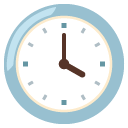


Appearance varies by platform and device. Google Noto, Twemoji, and OpenMoji are open-source.