🚴🏿♂️
The Emoji
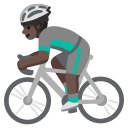
Man Biking: Dark Skin Tone
U+1F6B4 U+1F3FF U+200D U+2642 U+FE0F · :man_biking_dark_skin_tone:
Trend 48
Meaning layers
- interpretation
- Used to signal an active, healthy lifestyle or grind mentality — 'I'm on my bike, I'm moving, I don't have time for your drama.' Also used to flex fitness or outdoor activities.
- tiktok usage
- Appears in fitness motivation content, cycling vlogs, and 'main character' energy videos where someone is shown living their best athletic life.
- irony level
- 3 / 10
Platform meanings
- meaning
- Symbol of hustle, fitness grind, or the 'I'm too busy moving to care' energy in lifestyle and fitness content.
- trend usage
- Used in cycling challenge videos, POV fitness day-in-the-life content, and Black fitness creator spaces celebrating active lifestyles.
- hashtags
- #CyclingLife#FitnessMotivation#BlackAthletes#BikeLife#ActiveLifestyle
- virality score
- 52 / 100
Cultural meanings
🇺🇸
Western / Gen-Z
Primarily used to signal fitness hustle or the 'main character escaping drama' vibe; appreciated as a representation of Black athletes in everyday emoji use.
🇵🇰
Pakistan & India
Cycling is a common mode of transport, so this emoji straightforwardly represents commuting or exercise; the skin tone modifier is largely unremarked upon but symbolizes inclusivity.
🌍
Middle East
Used in fitness and sports contexts especially among younger urban populations; cycling as leisure is growing in cities like Dubai and Riyadh, making this emoji increasingly relevant.
🌐
Global Neutral
Universally understood as a person cycling, regardless of skin tone; the dark skin modifier adds representation without altering the core meaning across cultures.
🇧🇩
Bangladesh
Cycling is deeply embedded in daily commuter culture; the emoji resonates as a practical transportation symbol rather than a fitness or sport marker.
🇱🇰
Sri Lanka
Reflects both traditional cycling as transport and the growing cycling-for-fitness trend among urban youth; used casually in both contexts.
🇨🇳
China
Cycling has a rich cultural history in China; this emoji resonates with both nostalgic commuter culture and the modern cycling fitness boom in cities like Beijing and Shanghai.
🇯🇵
Japan
Cycling is a serious commuter and sport culture; the emoji is used earnestly in fitness and commuting discussions, with the skin tone noted positively for diversity.
🇰🇷
South Korea
Growing cycling culture especially among health-conscious millennials; used in fitness content and Kakao-style casual chats about weekend activities.
🇹🇼
Taiwan
Cycling tourism and urban biking are popular; the emoji signals outdoor adventure and healthy lifestyle, appearing in travel and fitness content.
🇭🇰
Hong Kong
Used in urban commuting and weekend cycling event contexts; the Velodrome culture and cycling paths give this emoji active, sports-forward connotations.
🇵🇭
Philippines
Cycling surged in popularity post-pandemic as both transport and fitness; the emoji is warmly received and used in barangay cycling groups and fitness communities.
🇮🇩
Indonesia
Used in fitness and community cycling event contexts; GoJek-era transport culture means cycling is associated with both practicality and health.
🇹🇭
Thailand
Cycling events and health tourism make this emoji relevant; used in fitness group chats and cycling club communications throughout Bangkok and beyond.
🇻🇳
Vietnam
Cycling has deep cultural roots; younger generations use this emoji in fitness contexts while older users associate it with traditional transportation.
🇲🇾
Malaysia
Popular in cycling club group chats and fitness communities; the emoji sees use in both casual exercise contexts and organized cycling event promotion.
🇸🇦
Saudi Arabia
Cycling is increasingly popular as part of Vision 2030 wellness initiatives; the emoji appears in fitness and sports contexts, especially among younger Saudis.
🇦🇪
UAE
Dubai and Abu Dhabi have major cycling cultures; this emoji is widely used in cycling events, fitness communities, and wellness content among expats and locals alike.
🇪🇬
Egypt
Cycling for fitness is growing in urban areas; the emoji is used in sports communities and youth fitness content, with the dark skin tone resonating with local representation.
🇹🇷
Turkey
Urban cycling culture is growing in Istanbul and other cities; the emoji is used in sports, fitness, and sustainable transport conversations.
🇮🇷
Iran
Cycling is popular as both transport and sport; the emoji is used in fitness and commuter contexts, though skin tone nuances are secondary to the activity itself.
🇳🇬
Nigeria
The dark skin tone modifier makes this emoji particularly resonant and celebrated in Nigeria as accurate representation; used in fitness, cycling club, and sports content.
🇿🇦
South Africa
Cycling is a significant sport and leisure activity; the dark skin tone modifier is embraced as culturally representative in a country with rich diversity.
🇬🇧
UK & Ireland
Used in cycling commuter culture, Tour de Britain contexts, and fitness content; the skin tone is appreciated for representation in an increasingly diverse cycling community.
🇫🇷
France
Strong cycling culture tied to Tour de France heritage; the emoji is used in sports commentary, cycling content, and fitness discussions with broad cultural resonance.
🇩🇪
Germany
Germany's robust cycling infrastructure and culture makes this emoji a staple in commuter, fitness, and eco-transport discussions.
🇪🇸
Spain & Italy
Cycling is deeply embedded in culture through Vuelta and Giro traditions; used in sports commentary, fitness, and leisure cycling contexts enthusiastically.
🇧🇷
Brazil
Cycling culture is growing rapidly in Brazilian cities; used in fitness content, cycling event promotion, and leisure activity posts among active urban youth.
🇲🇽
Mexico
Urban cycling initiatives in Mexico City have boosted cycling's profile; the emoji appears in Ciclotón event posts, fitness content, and eco-transport discussions.
🌎
Latin America
Broadly used across Latin America in fitness, eco-transport, and sports contexts; increasing cycling infrastructure investment makes it a forward-looking symbol.
🇦🇺
Australia & NZ
Strong cycling culture for sport and commuting; the emoji is used widely in fitness, cycling club, and outdoor adventure content with the skin tone celebrated for inclusivity.
How its meaning shifted
- 2010
Cycling emoji didn't yet exist in this form; early internet cycling representation relied on text emoticons and basic clipart in fitness forums.
- 2015
Base cycling emoji existed but skin tone modifiers were newly introduced (Unicode 8.0, 2015); initial usage was functional and literal, representing cycling activity.
- 2020
Gained cultural traction as cycling surged globally during the pandemic; the dark skin tone version became a symbol of Black fitness representation and outdoor freedom.
- 2026
Firmly established in fitness, wellness, and lifestyle content; the skin tone modifier is normalized and appreciated, used across ironic 'escaping problems' memes and earnest athletic representation.
See it on every platform
Adjacent emojis
- Often confused with
- man biking medium dark skin toneperson bikingkick scooter
- Can replace
- bicycleperson runningman mountain biking
Share & embed
Frequently asked
01What does the 🚴🏿♂️ Man Biking: Dark Skin Tone emoji mean?
A man riding a bicycle with dark skin tone modifier applied, representing cycling as sport, transportation, or leisure activity.
02What does 🚴🏿♂️ mean on TikTok?
Symbol of hustle, fitness grind, or the 'I'm too busy moving to care' energy in lifestyle and fitness content.
03What does 🚴🏿♂️ mean on WhatsApp?
Casually signals going for a bike ride, being busy with exercise, or literally cycling somewhere.
04What does 🚴🏿♂️ mean in Gen-Z slang?
Used to signal an active, healthy lifestyle or grind mentality — 'I'm on my bike, I'm moving, I don't have time for your drama.' Also used to flex fitness or outdoor activities.
05Is the 🚴🏿♂️ emoji safe to use?
Completely safe and positive — represents cycling, fitness, healthy activity, and athletic representation.
06What does 🚴🏿♂️ mean in texting?
Cycling as a symbol taps into themes of momentum and self-propulsion — psychologically evoking autonomy, forward progress, and physical empowerment.
07What is the shortcode for 🚴🏿♂️?
The shortcode for Man Biking: Dark Skin Tone is :man_biking_dark_skin_tone:
08What does 🚴🏿♂️ mean in dating?
Can signal 'I'm active and outdoorsy — come ride with me' as a low-key invitation to a casual date or shared hobby.
Safety & usage
- Safe meaning
- Completely safe and positive — represents cycling, fitness, healthy activity, and athletic representation.
- Caution
- No inherently toxic usage; in rare cases could be used dismissively to tell someone to 'ride away' but this is extremely uncommon.
No NSFW usage patterns identified. The skin tone modifier makes it a representation emoji; misuse as a racial stereotype would be inappropriate but is not a documented pattern.
How it looks across platforms
Appearance varies by platform and device. Google Noto, Twemoji, and OpenMoji are open-source.