🚴🏽♂️
The Emoji
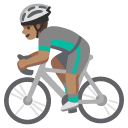
Man Biking: Medium Skin Tone
U+1F6B4 U+1F3FD U+200D U+2642 U+FE0F · :man_biking_medium_skin_tone:
Trend 52
Meaning layers
- interpretation
- Used to signal an active, outdoorsy, or 'that guy' energy. Often ironically deployed to mock fitness bros or people who make cycling their entire personality. Also used genuinely by cycling enthusiasts and commuters.
- tiktok usage
- Appears in fitness motivation content, cycling vlogs, and satirical 'main character' energy videos. Sometimes used to caption someone who takes their hobby too seriously.
- irony level
- 4 / 10
Platform meanings
- meaning
- Signals fitness content, cycling challenges, or healthy lifestyle branding. Also used ironically in 'delulu' or 'main character' contexts.
- trend usage
- Appears in #CyclingTok, workout montages, and satirical fitness bro content. Used in 'POV you just bought a bike' trend videos.
- hashtags
- #CyclingTok#BikeLife#CyclingMotivation#FitnessJourney#RideOrDie
- virality score
- 55 / 100
Cultural meanings
🇺🇸
Western / Gen-Z
Ironically used to mock 'that gym bro who just got into cycling' but also genuinely celebrated in active lifestyle content. Strongly associated with the 'main character doing cardio' aesthetic.
🇵🇰
Pakistan & India
Represents practicality and everyday transportation in many contexts, as cycling is a common commute method. Also used by fitness-conscious urban youth to signal a healthy lifestyle.
🌍
Middle East
Primarily associated with recreational fitness and sports, especially in urban Gulf areas where cycling has grown as a weekend hobby. Less associated with daily commuting.
🌐
Global Neutral
Universally understood as representing cycling, physical activity, and an active lifestyle, with no significant negative connotations across cultures.
🇧🇩
Bangladesh
Strongly associated with everyday commuting and transportation, as cycling is a major mode of transport. Also signals endurance and hard work.
🇱🇰
Sri Lanka
Represents both daily transportation and growing interest in recreational cycling. Used in fitness and sports contexts among urban youth.
🇨🇳
China
Cycling has a deep cultural history in China, but the emoji is now associated with modern recreational cycling and food delivery riders. Also tied to popular bike-sharing culture.
🇯🇵
Japan
Cycling is a respected and practical activity in Japan. The emoji is used for both commuting content and competitive cycling, with strong associations with discipline and efficiency.
🇰🇷
South Korea
Associated with weekend leisure cycling along the Han River bike paths and fitness culture. Popular in health and wellness content among younger generations.
🇹🇼
Taiwan
Cycling is a beloved recreational activity, especially given Taiwan's scenic cycling routes. The emoji is commonly used in travel and outdoor lifestyle content.
🇭🇰
Hong Kong
Used in fitness and weekend activity contexts. Cycling as a leisure activity is popular, and the emoji is often seen in outdoor sports community content.
🇵🇭
Philippines
Cycling surged in popularity post-pandemic as both transport and recreation. The emoji is widely used in cycling community groups and fitness content.
🇮🇩
Indonesia
Used in fitness and sports contexts, as well as cycling communities that have grown significantly in urban areas. Also appears in sustainable transport advocacy content.
🇹🇭
Thailand
Associated with both recreational cycling culture in cities like Bangkok and competitive cycling events. Used in health and fitness content by urban millennials.
🇻🇳
Vietnam
Cycling is deeply embedded in Vietnamese transport culture. The emoji bridges traditional everyday cycling and the growing sport cycling community.
🇲🇾
Malaysia
Used in cycling club content, weekend fitness posts, and growing urban cycling communities. The emoji is popular in active lifestyle branding.
🇸🇦
Saudi Arabia
Increasingly popular as recreational cycling has grown, especially among men in Vision 2030 wellness initiatives. Used in sports and outdoor activity contexts.
🇦🇪
UAE
Associated with the Dubai and Abu Dhabi cycling culture, including popular cycling tracks and charity events. Used as a fitness and lifestyle flex.
🇪🇬
Egypt
Cycling is used as both transportation and recreation. The emoji appears in fitness communities and among younger urban cyclists embracing healthy lifestyles.
🇹🇷
Turkey
Used in fitness content and the growing cycling community in cities like Istanbul. Associated with both recreational weekend rides and urban cycling advocacy.
🇮🇷
Iran
Cycling is a popular recreational and fitness activity. The emoji is used in sports and health content, though public cycling by women has cultural nuances that affect broader usage.
🇳🇬
Nigeria
Cycling is used for transport and increasingly for fitness in urban areas. The emoji is used in sports and wellness content, especially by younger generations embracing active lifestyles.
🇿🇦
South Africa
Associated with the strong cycling culture, including famous events like the Cape Town Cycle Tour. Used in fitness, sports, and outdoor adventure content.
🇬🇧
UK & Ireland
Strongly associated with cycling culture, Tour de France enthusiasm, and commuter cycling. Used in both sincere fitness content and dry-humor memes about 'cyclist vs. driver' debates.
🇫🇷
France
France has an iconic relationship with cycling due to the Tour de France. The emoji carries strong cultural prestige and is used in sports, tourism, and fitness content.
🇩🇪
Germany
Germany has a strong cycling infrastructure culture. The emoji is used genuinely in commuting, environmental advocacy, and recreational sports content.
🇪🇸
Spain & Italy
Associated with both the prestigious cycling races (Vuelta a España, Giro d'Italia) and casual recreational cycling. Used in sports, tourism, and fitness content.
🇧🇷
Brazil
Cycling has grown as both a sport and sustainable transport option. The emoji is popular in fitness communities, urban cycling advocacy, and sports fan content.
🇲🇽
Mexico
Used in fitness and sports content, with cycling gaining popularity as a hobby and sustainable commuting option in major cities.
🌎
Latin America
Generally represents fitness, sport, and modern urban commuting. Cycling communities are growing across Latin America and the emoji reflects this active lifestyle shift.
🇦🇺
Australia & NZ
Strongly associated with outdoor fitness culture, cycling events, and an active lifestyle ethos. Used in sports, wellness, and adventure content with genuine enthusiasm.
How its meaning shifted
- 2010
Rarely used as smartphones were just gaining emoji support. When used, it straightforwardly represented cycling as a sport or transport method with minimal ironic usage.
- 2015
Became more common with the rise of fitness culture on social media. Used genuinely in sports and workout content, and the skin tone modifier was introduced around this period.
- 2020
Surged in usage during the COVID-19 pandemic as cycling boomed globally as a safe outdoor activity. Became a symbol of the pandemic fitness wave and outdoor freedom.
- 2026
Used across a full spectrum — genuinely by cycling enthusiasts and fitness communities, ironically by Gen Z to mock 'gym bro' culture, and in platform-specific contexts like Strava integration posts and sustainability content.
See it on every platform
Adjacent emojis
- Often confused with
- person mountain bikingman rowing boatkick scooter
- Can replace
- bicycleperson bikingman running
Share & embed
Frequently asked
01What does the 🚴🏽♂️ Man Biking: Medium Skin Tone emoji mean?
A man riding a bicycle, displayed with a medium skin tone. Represents cycling, biking, physical activity, or transportation by bicycle.
02What does 🚴🏽♂️ mean on TikTok?
Signals fitness content, cycling challenges, or healthy lifestyle branding. Also used ironically in 'delulu' or 'main character' contexts.
03What does 🚴🏽♂️ mean on WhatsApp?
Tells friends you're going for a bike ride or are currently cycling. Used in group chats to announce outdoor plans.
04What does 🚴🏽♂️ mean in Gen-Z slang?
Used to signal an active, outdoorsy, or 'that guy' energy. Often ironically deployed to mock fitness bros or people who make cycling their entire personality. Also used genuinely by cycling enthusiasts and commuters.
05Is the 🚴🏽♂️ emoji safe to use?
Represents cycling, physical fitness, and active transportation. Completely safe and positive in virtually all contexts.
06What does 🚴🏽♂️ mean in texting?
Cycling is strongly associated with freedom of movement and self-reliance. The emoji can evoke feelings of independence, discipline, and the endorphin rush of physical exercise, tapping into aspirational healthy-lifestyle psychology.
07What is the shortcode for 🚴🏽♂️?
The shortcode for Man Biking: Medium Skin Tone is :man_biking_medium_skin_tone:
08What does 🚴🏽♂️ mean in dating?
Sent to signal an active, health-conscious personality. Could be used to invite someone on a bike date or to show off a fit lifestyle.
Safety & usage
- Safe meaning
- Represents cycling, physical fitness, and active transportation. Completely safe and positive in virtually all contexts.
- Caution
- Occasionally used in targeted harassment of cyclists in car-culture online spaces, or to mock people who are seen as 'obsessively healthy.'
No significant safety concerns. Rarely if ever used in harmful or coded contexts. The skin tone modifier (medium) carries no additional risk factors.
How it looks across platforms
Appearance varies by platform and device. Google Noto, Twemoji, and OpenMoji are open-source.