🤸🏿♂️
The Emoji
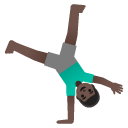
Man Cartwheeling: Dark Skin Tone
U+1F938 U+1F3FF U+200D U+2642 U+FE0F · :man_cartwheeling_dark_skin_tone:
Trend 55
Meaning layers
- interpretation
- Used to express unbothered energy, flexing on haters, or showing off carefree confidence. Often deployed when someone is completely unbothered by drama or criticism.
- tiktok usage
- Appears in 'not caring' content, confidence videos, and 'I'm built different' energy posts. Often used in comment sections when someone is thriving despite adversity.
- irony level
- 6 / 10
Platform meanings
- meaning
- Symbol of unbothered confidence, carefree movement, and 'main character' energy. Used to show you're thriving and moving forward.
- trend usage
- Used in 'POV: you don't care anymore' videos, gym flex content, and Black excellence celebration posts. Frequently appears in comment sections hyping creators.
- hashtags
- #unbothered#maincharacter#blackexcellence#gymlife#cartwheeling
- virality score
- 52 / 100
Cultural meanings
🇺🇸
Western / Gen-Z
Widely used to represent unbothered confidence and Black joy; the dark skin tone modifier is seen as a statement of representation and celebration of Blackness.
🇵🇰
Pakistan & India
Primarily interpreted literally as an athletic or gymnastic action; sometimes used in sports-related content or to express physical agility and skill.
🌍
Middle East
Interpreted mostly as a sports/fitness emoji; the skin tone may be noted but usage largely focuses on the physical activity depicted.
🌐
Global Neutral
Universally understood as depicting an athletic cartwheel; skin tone is recognized as a diversity modifier but does not significantly alter the core meaning.
🇧🇩
Bangladesh
Used in sports and fitness contexts; the gymnastic connotation is primary, and the dark skin tone is recognized as a representation feature.
🇱🇰
Sri Lanka
Associated with gymnastics, acrobatics, and physical fitness; occasionally used to celebrate local athletic achievements.
🇨🇳
China
Primarily used for gymnastics content given China's strong gymnastics culture; the skin tone distinction may be less emphasized in local usage.
🇯🇵
Japan
Interpreted as a gymnastics or acrobatics emoji; Japan's strong gymnastics tradition makes this resonant for sports content.
🇰🇷
South Korea
Used in fitness and sports contexts; K-pop and dance culture communities may use it to celebrate agile, energetic performances.
🇹🇼
Taiwan
Seen primarily as a sports and fitness symbol; used in gymnastics, dance, and general physical activity discussions.
🇭🇰
Hong Kong
Associated with sports and physical activity; used in fitness communities and to celebrate athletic achievements.
🇵🇭
Philippines
Used in contexts celebrating physical skill and athleticism; also adopted in casual expressive use to show excitement and freedom.
🇮🇩
Indonesia
Primarily used for sports and fitness content; also appears in youth culture to express carefree, energetic vibes.
🇹🇭
Thailand
Associated with gymnastics and dance; used in fitness and entertainment content celebrating agile, performative movement.
🇻🇳
Vietnam
Used in sports and fitness contexts; also occasionally used by younger users to express carefree or energetic personality.
🇲🇾
Malaysia
Interpreted as a sports emoji; used in gym culture and youth communities to express physical energy and confidence.
🇸🇦
Saudi Arabia
Used primarily in sports contexts; the athletic connotation is dominant, though the dark skin tone may prompt additional attention to representation.
🇦🇪
UAE
In the diverse UAE context, the emoji is embraced as a representation of multicultural athleticism; widely used in sports and fitness content.
🇪🇬
Egypt
Used in sports and fitness contexts; also adopted casually to express feelings of freedom, joy, and moving forward.
🇹🇷
Turkey
Associated with gymnastics and physical activity; used in fitness communities and occasionally to express enthusiastic, carefree energy.
🇮🇷
Iran
Primarily interpreted as a gymnastics or acrobatics symbol; used in sports content and occasionally to express freedom and joy.
🇳🇬
Nigeria
Strongly resonant as a symbol of Black excellence and physical prowess; widely used to celebrate achievements, express joy, and hype up others.
🇿🇦
South Africa
Embraced as a symbol of Black pride and athletic excellence; used frequently in celebration posts and community hype content.
🇬🇧
UK & Ireland
Used to express carefree energy and unbotheredness; in Black British communities specifically, it carries strong connotations of Black joy and confidence.
🇫🇷
France
Used in sports and fitness contexts; in Afro-French communities, it holds cultural weight as a symbol of Black pride and physical excellence.
🇩🇪
Germany
Primarily seen as a sports/gymnastics emoji; diversity-conscious users appreciate the skin tone representation in athletic contexts.
🇪🇸
Spain & Italy
Interpreted as an acrobatics or gymnastics emoji; used in sports content and occasionally to express carefree, lively energy.
🇧🇷
Brazil
Highly resonant given Brazil's strong gymnastics and capoeira traditions; used to celebrate physical skill, Black Brazilian culture, and joyful expression.
🇲🇽
Mexico
Used to express physical energy, athletic skill, and carefree confidence; occasionally adopted in youth culture for its unbothered energy.
🌎
Latin America
Across Latin America, interpreted as athletic and energetic; in communities with significant Afro-Latino populations, it carries additional cultural pride.
🇦🇺
Australia & NZ
Used in sports, fitness, and beach culture contexts; also adopted in casual expressive use to signal carefree, confident energy.
How its meaning shifted
- 2010
This emoji did not exist yet; the base cartwheeling person emoji had not been introduced, and skin tone modifiers were not available.
- 2015
Skin tone modifiers were introduced in Unicode 8.0; the cartwheeling emoji with dark skin tone began appearing, primarily used literally for gymnastics and physical activity.
- 2020
Usage expanded significantly with the rise of Black Lives Matter conversations and growing emphasis on representation; adopted in Black joy content, fitness culture, and unbothered energy memes.
- 2026
Now firmly established as a symbol of Black confidence, carefree energy, and unbotheredness; frequently used in ironic, celebratory, and motivational contexts across all major platforms.
See it on every platform
Adjacent emojis
Share & embed
Frequently asked
01What does the 🤸🏿♂️ Man Cartwheeling: Dark Skin Tone emoji mean?
A man performing a cartwheel, displayed with dark skin tone. The figure is shown mid-cartwheel with arms and legs extended.
02What does 🤸🏿♂️ mean on TikTok?
Symbol of unbothered confidence, carefree movement, and 'main character' energy. Used to show you're thriving and moving forward.
03What does 🤸🏿♂️ mean on WhatsApp?
Expressing excitement, showing off, or signaling you're moving on from a situation with energy and style.
04What does 🤸🏿♂️ mean in Gen-Z slang?
Used to express unbothered energy, flexing on haters, or showing off carefree confidence. Often deployed when someone is completely unbothered by drama or criticism.
05Is the 🤸🏿♂️ emoji safe to use?
Celebrating physical activity, athletic skill, joy, confidence, and Black excellence. Entirely positive and inclusive in standard usage.
06What does 🤸🏿♂️ mean in texting?
Symbolizes freedom of movement and uninhibited self-expression. Psychologically linked to feelings of carefree exuberance and physical empowerment.
07What is the shortcode for 🤸🏿♂️?
The shortcode for Man Cartwheeling: Dark Skin Tone is :man_cartwheeling_dark_skin_tone:
08What does 🤸🏿♂️ mean in dating?
Rarely used as a direct flirt, but can signal 'I'm fun and energetic' to a potential partner. Sometimes sent to show off playful, athletic personality.
Safety & usage
- Safe meaning
- Celebrating physical activity, athletic skill, joy, confidence, and Black excellence. Entirely positive and inclusive in standard usage.
- Caution
- Extremely rare toxic usage; could theoretically be used mockingly in targeted harassment but this is not a common pattern.
No significant safety concerns. The dark skin tone modifier makes it a meaningful representation emoji; misuse to mock or stereotype Black athleticism would be offensive.
How it looks across platforms
Appearance varies by platform and device. Google Noto, Twemoji, and OpenMoji are open-source.