🤽🏿♂️
The Emoji
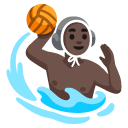
Man Playing Water Polo: Dark Skin Tone
U+1F93D U+1F3FF U+200D U+2642 U+FE0F · :man_playing_water_polo_dark_skin_tone:
Trend 22
Meaning layers
- interpretation
- Used to flex aquatic athleticism, represent hustle and grind in niche sports, or ironically signal being that one person who actually plays water polo.
- tiktok usage
- Appears in sports highlight edits, 'nobody asked but here's my sport' trend content, or as a flex for underrepresented athletes.
- irony level
- 4 / 10
Platform meanings
- meaning
- Used by water polo athletes showcasing training clips, diversity in aquatic sports, or in trending 'my sport vs. everyone else's sport' formats.
- trend usage
- Appears in underdog sports content, athlete POV videos, and Black athlete representation edits.
- hashtags
- #WaterPolo#AquaticAthlete#BlackAthletes#SportsLife#PoolSzn
- virality score
- 28 / 100
Cultural meanings
🇺🇸
Western / Gen-Z
Recognized as a niche sport emoji, often used ironically to flex an unusual athletic identity or celebrate diversity in sports representation.
🇵🇰
Pakistan & India
Water polo is less mainstream; this emoji is rarely used organically but may appear in Olympic discussion contexts or pan-regional sports chats.
🌍
Middle East
Water polo has a growing presence in Gulf states; the emoji may be used by sports enthusiasts or in Olympic coverage contexts.
🌐
Global Neutral
Universally understood as representation of water polo athleticism, used straightforwardly by athletes and sports fans worldwide.
🇧🇩
Bangladesh
Largely unfamiliar with water polo as a major sport; emoji usage is minimal and mostly limited to Olympic watching communities.
🇱🇰
Sri Lanka
Similar to Bangladesh, water polo is a niche sport here; the emoji appears mainly in international sports discussion threads.
🇨🇳
China
Water polo has an Olympic team presence in China; the emoji is used by sports media and fans during tournament coverage.
🇯🇵
Japan
Japan has a water polo tradition; the emoji is used by sports fans and athletes, especially during national and Olympic competitions.
🇰🇷
South Korea
Recognized in sports communities, especially around Olympic seasons; used to represent Korean water polo athletes and aquatic sports fans.
🇹🇼
Taiwan
Used in sports and Olympic communities online; less mainstream but recognized among athletics-focused users.
🇭🇰
Hong Kong
Used in aquatic sports communities and during regional water polo competitions; carries straightforward athletic meaning.
🇵🇭
Philippines
Water polo is growing in the Philippines; the emoji appears in sports advocacy and regional competition discussions.
🇮🇩
Indonesia
Rarely used outside of Olympic contexts; occasionally appears in sports community chats among young athletics enthusiasts.
🇹🇭
Thailand
Used by sports-loving communities; Thailand's growing water polo scene means the emoji sees some niche but dedicated usage.
🇻🇳
Vietnam
Minimal organic usage; appears in Olympic-related sports content and international sports news threads.
🇲🇾
Malaysia
Used in sports communities and during regional aquatic events; recognized but not widely mainstream.
🇸🇦
Saudi Arabia
With growing sports investment in the Kingdom, the emoji may appear in official sports promotion content and enthusiast communities.
🇦🇪
UAE
UAE's investment in sports infrastructure means water polo is known; the emoji appears in sports media and community discussions.
🇪🇬
Egypt
Egypt has a water polo history; the emoji is used by sports fans and in discussions about national aquatic competitions.
🇹🇷
Turkey
Turkey has an active water polo scene; used by fans and athletes, especially during national league and international tournaments.
🇮🇷
Iran
Iran has competed in water polo; the emoji appears in sports fan communities and Olympic discussions among enthusiasts.
🇳🇬
Nigeria
Water polo is rare in Nigeria; the emoji mainly appears in diaspora communities or international sports interest contexts.
🇿🇦
South Africa
Some water polo culture exists, particularly in schools and universities; the emoji is used by athletic communities and sports clubs.
🇬🇧
UK & Ireland
Water polo has a dedicated following; the emoji is used by club players, sports enthusiasts, and during international competitions.
🇫🇷
France
France has a strong water polo tradition; the emoji is actively used by fans, players, and sports media during league and Olympic play.
🇩🇪
Germany
Germany's water polo community uses the emoji regularly; it appears in club communications and national sports discussions.
🇪🇸
Spain & Italy
Both countries have powerful water polo cultures, especially Italy; the emoji is widely used by passionate fan bases and athletes.
🇧🇷
Brazil
Brazil has a water polo presence, though football dominates; the emoji appears in multi-sport communities and Olympic contexts.
🇲🇽
Mexico
Limited mainstream water polo culture; the emoji appears in Olympic discussions and among aquatic sports enthusiasts.
🌎
Latin America
Across Latin America, water polo is a niche sport; the emoji is used mostly in Olympic seasons and among swimming community overlaps.
🇦🇺
Australia & NZ
Australia has a competitive water polo culture; the emoji is used by athletes, fans, and in school sports communities regularly.
How its meaning shifted
- 2010
Emoji did not exist; water polo representation online was limited to text and basic sport icons.
- 2015
Early versions of water polo emoji introduced; usage was minimal and mostly literal, limited to sports apps and niche communities.
- 2020
Skin tone variants became more prominent; usage grew among inclusive sports representation conversations and Olympic content.
- 2026
Steadily used by a dedicated athletic and representation-conscious community; appears in sports diversity discourse and niche athlete content.
See it on every platform
Adjacent emojis
- Often confused with
- person surfingperson swimmingman rowing boat
- Can replace
- person swimmingflexed bicepstrophy
Share & embed
Frequently asked
01What does the 🤽🏿♂️ Man Playing Water Polo: Dark Skin Tone emoji mean?
A man playing water polo with dark skin tone, depicting an athlete in a pool throwing or handling a water polo ball.
02What does 🤽🏿♂️ mean on TikTok?
Used by water polo athletes showcasing training clips, diversity in aquatic sports, or in trending 'my sport vs. everyone else's sport' formats.
03What does 🤽🏿♂️ mean on WhatsApp?
Signals someone is at water polo practice, is a water polo fan, or is referencing athletic activity in general.
04What does 🤽🏿♂️ mean in Gen-Z slang?
Used to flex aquatic athleticism, represent hustle and grind in niche sports, or ironically signal being that one person who actually plays water polo.
05Is the 🤽🏿♂️ emoji safe to use?
A straightforward depiction of an athlete playing water polo; entirely safe and positive in meaning.
06What does 🤽🏿♂️ mean in texting?
Signals self-identification with athletic effort and representation; for dark-skinned users especially, it can carry a deeper resonance of visibility and inclusion in sports spaces historically underrepresented.
07What is the shortcode for 🤽🏿♂️?
The shortcode for Man Playing Water Polo: Dark Skin Tone is :man_playing_water_polo_dark_skin_tone:
08What does 🤽🏿♂️ mean in dating?
Rarely used in flirting unless signaling a sporty, active lifestyle; might hint at 'I'm fit and in the water' energy.
Safety & usage
- Safe meaning
- A straightforward depiction of an athlete playing water polo; entirely safe and positive in meaning.
- Caution
- No known toxic or coded negative uses; extremely unlikely to be weaponized in harmful contexts.
No significant warning notes; the dark skin tone modifier adds representation significance without any known negative connotations.
How it looks across platforms
Appearance varies by platform and device. Google Noto, Twemoji, and OpenMoji are open-source.