🧗🏿
The Emoji
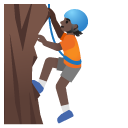
Person Climbing: Dark Skin Tone
U+1F9D7 U+1F3FF · :person_climbing_dark_skin_tone:
Trend 52
Meaning layers
- interpretation
- Used to symbolize grinding, hustling, or working hard to reach a goal. Also used literally for fitness/outdoor content or metaphorically as 'climbing up' in life, career, or clout.
- tiktok usage
- Appears in gym motivation videos, personal growth content, and hustle culture posts. Sometimes used ironically to describe awkward social climbing.
- irony level
- 4 / 10
Platform meanings
- meaning
- Represents physical hustle, gym grind, or literal climbing adventures. Used in motivational and self-improvement content.
- trend usage
- Paired with gym check-in videos, 'glow up' series, or dark-humor posts about struggling through life.
- hashtags
- #ClimbingTikTok#GrindMode#RockClimbing#LevelUp#FitnessTok
- virality score
- 55 / 100
Cultural meanings
🇺🇸
Western / Gen-Z
Widely used as a metaphor for hustle and ambition; embraced in fitness and self-improvement culture without strong literal bias.
🇵🇰
Pakistan & India
Primarily interpreted as a sports/fitness emoji; metaphorical use for career or academic 'climbing' is growing among urban youth.
🌍
Middle East
Used mainly in sports and fitness contexts; motivational connotations align with strong cultural values around perseverance and hard work.
🌐
Global Neutral
Universally recognized as representing climbing as a physical activity or universal metaphor for overcoming challenges.
🇧🇩
Bangladesh
Relatively rare in everyday messaging; mostly used by fitness-oriented youth in urban areas or those sharing travel content.
🇱🇰
Sri Lanka
Used in outdoor and adventure content; climbing culture is niche but growing, so the emoji is slowly gaining traction.
🇨🇳
China
Associated with hard work and upward mobility, resonating with '奋斗' (striving) cultural values; used in motivational content.
🇯🇵
Japan
Interpreted as a sports emoji linked to bouldering, which has grown significantly in popularity since the Tokyo 2020 Olympics.
🇰🇷
South Korea
Connected to the booming indoor climbing culture and K-fitness trends; used extensively in sports and self-improvement content.
🇹🇼
Taiwan
Used in outdoor adventure and fitness communities; climbing gyms have grown in popularity, making this emoji increasingly relevant.
🇭🇰
Hong Kong
Popular in fitness circles; also used metaphorically in competitive academic or professional contexts.
🇵🇭
Philippines
Used in fitness and travel content; metaphorical use for 'rising up' resonates in aspirational social media posts.
🇮🇩
Indonesia
Associated with outdoor adventure culture and Mount climbing traditions; also used motivationally by youth on Instagram and TikTok.
🇹🇭
Thailand
Linked to Thailand's vibrant rock climbing scene (e.g., Krabi); used by tourism and adventure travel content creators.
🇻🇳
Vietnam
Primarily literal in travel and outdoor contexts; motivational use is growing among younger social media users.
🇲🇾
Malaysia
Used in outdoor adventure and fitness content; resonates with the country's growing interest in rock climbing.
🇸🇦
Saudi Arabia
Mainly used in sports and fitness contexts; aligns with Vision 2030's push for active lifestyles and sports culture.
🇦🇪
UAE
Popular in wellness and fitness content; used by the young, multicultural, and active UAE social media community.
🇪🇬
Egypt
Used in fitness and motivational contexts; less culturally specific to climbing but understood as a symbol of hard work.
🇹🇷
Turkey
Used in outdoor sports and fitness content; metaphorical 'climbing up' resonates in career and academic discourse.
🇮🇷
Iran
Used in fitness and motivational contexts; climbing as a sport has a dedicated following especially in mountainous regions.
🇳🇬
Nigeria
Strongly resonates as a symbol of hustle and rising from nothing; used in motivational content and personal achievement posts.
🇿🇦
South Africa
Used in outdoor adventure and fitness content; also carries cultural weight as a symbol of overcoming obstacles.
🇬🇧
UK & Ireland
Used in climbing gym and outdoor sports content; also deployed ironically in commentary about social climbing and ambition.
🇫🇷
France
Tied to France's strong outdoor sports culture; used in rock climbing content and as a general symbol of determination.
🇩🇪
Germany
Associated with outdoor precision sports and discipline; used in fitness and motivational content with a practical tone.
🇪🇸
Spain & Italy
Connected to Mediterranean climbing destinations; used in travel, adventure, and fitness content with an aspirational flair.
🇧🇷
Brazil
Used in outdoor adventure content; metaphorically associated with 'subindo na vida' (climbing in life), a common cultural expression of ambition.
🇲🇽
Mexico
Resonates with themes of hard work and perseverance; used in motivational content and fitness communities.
🌎
Latin America
Broadly used as a symbol of ambition and rising above challenges; connects with widespread cultural narratives of resilience.
🇦🇺
Australia & NZ
Popular in outdoor adventure culture where rock climbing and bouldering are mainstream; used in both literal and motivational contexts.
How its meaning shifted
- 2010
This specific emoji did not exist yet; climbing was occasionally represented through generic figure emojis with no skin tone options.
- 2015
Still pre-release; climbing emojis were being discussed as part of Unicode diversity efforts but not yet standardized.
- 2020
Gained traction post-Tokyo Olympics announcement, especially as indoor climbing and bouldering surged in popularity globally.
- 2026
Firmly established in fitness, hustle, and outdoor culture lexicons; the dark skin tone variant is well recognized as a diversity-forward representation in motivational and sports content.
See it on every platform
Adjacent emojis
- Often confused with
- person gesturing okperson standingwoman climbing
- Can replace
- flexed bicepsmountainperson running
Share & embed
Frequently asked
01What does the 🧗🏿 Person Climbing: Dark Skin Tone emoji mean?
A person climbing a rock face or wall, shown with dark skin tone. Depicts the sport of rock climbing or bouldering.
02What does 🧗🏿 mean on TikTok?
Represents physical hustle, gym grind, or literal climbing adventures. Used in motivational and self-improvement content.
03What does 🧗🏿 mean on WhatsApp?
Signals working hard or pushing through a tough situation. Also used literally when planning outdoor activities.
04What does 🧗🏿 mean in Gen-Z slang?
Used to symbolize grinding, hustling, or working hard to reach a goal. Also used literally for fitness/outdoor content or metaphorically as 'climbing up' in life, career, or clout.
05Is the 🧗🏿 emoji safe to use?
Represents rock climbing, physical fitness, ambition, perseverance, and outdoor adventure.
06What does 🧗🏿 mean in texting?
The upward motion psychologically triggers associations with progress, overcoming obstacles, and striving — mirroring the human drive to achieve and ascend.
07What is the shortcode for 🧗🏿?
The shortcode for Person Climbing: Dark Skin Tone is :person_climbing_dark_skin_tone:
08What does 🧗🏿 mean in dating?
Rarely used as a flirt emoji directly; can signal an active, adventurous lifestyle which is attractive to outdoor or fitness-oriented partners.
Safety & usage
- Safe meaning
- Represents rock climbing, physical fitness, ambition, perseverance, and outdoor adventure.
- Caution
- Could be used sarcastically to mock someone perceived as a social climber or desperately seeking status.
No significant NSFW or harmful usage patterns identified. The dark skin tone modifier is a positive diversity representation. Rare sarcastic use about social climbing is mild.
How it looks across platforms


Appearance varies by platform and device. Google Noto, Twemoji, and OpenMoji are open-source.