🧕🏼
The Emoji
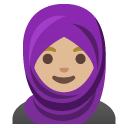
Woman With Headscarf: Medium-light Skin Tone
U+1F9D5 U+1F3FC · :woman_with_headscarf_mediumlight_skin_tone:
Trend 58
Meaning layers
- interpretation
- Used by Gen Z to represent Muslim identity, solidarity with hijabi women, or as a self-identifier by Muslim content creators. Also used in diversity and inclusion contexts.
- tiktok usage
- Appears in Muslim lifestyle content, Ramadan TikToks, modest fashion videos, and as identity markers in creator bios and captions.
- irony level
- 1 / 10
Platform meanings
- meaning
- Identity marker and representation symbol used by Muslim content creators, modest fashion influencers, and Ramadan content.
- trend usage
- Used in Muslim lifestyle trends, Ramadan vlogs, hijab tutorials, and 'day in my life as a hijabi' content.
- hashtags
- #HijabiTikTok#ModestFashion#MuslimTikTok#Ramadan#HijabStyle
- virality score
- 62 / 100
Cultural meanings
🇺🇸
Western / Gen-Z
Recognized as a symbol of Muslim identity and often used positively in diversity conversations; Gen Z in the West uses it to signal allyship and inclusivity.
🇵🇰
Pakistan & India
Deeply meaningful as a representation of Muslim women's identity; widely used by Muslim women in both countries to express faith and cultural pride in digital spaces.
🌍
Middle East
Considered a natural and respectful representation of everyday women's dress; used casually and without special emphasis as it reflects common cultural practice.
🌐
Global Neutral
Universally understood as representing a woman wearing a headscarf for religious or cultural reasons; generally received with neutrality or respect globally.
🇧🇩
Bangladesh
Highly relatable symbol for Bangladeshi Muslim women; used extensively in social media to represent religious identity and modest fashion culture.
🇱🇰
Sri Lanka
Used by Sri Lankan Muslim women to represent their identity; carries cultural significance particularly within the island's Muslim minority community.
🇨🇳
China
Recognizable as representing Muslim women, particularly associated with the Uyghur community and Hui Muslims; usage can be politically sensitive given the geopolitical context.
🇯🇵
Japan
Relatively uncommon in everyday Japanese digital culture but recognized as representing Muslim women; used in multicultural and international contexts.
🇰🇷
South Korea
Recognized primarily through K-pop fans' exposure to diverse global cultures; used in multicultural content and discussions about religious diversity.
🇹🇼
Taiwan
Used in discussions about diversity and religious identity; Taiwanese users associate it with Muslim communities both locally and globally.
🇭🇰
Hong Kong
Recognized as a symbol of Muslim identity; used in multicultural content and discussions, particularly relevant to Hong Kong's South Asian Muslim communities.
🇵🇭
Philippines
Highly relevant to the Filipino Muslim community, particularly in Mindanao; used to represent Moro Muslim women and Islamic cultural identity.
🇮🇩
Indonesia
Extremely significant as Indonesia has the world's largest Muslim population; the emoji is used widely and casually by Indonesian Muslim women as a primary identity marker.
🇹🇭
Thailand
Used primarily by Thailand's southern Muslim communities as a cultural identifier; broader Thai culture recognizes it as representing Muslim women.
🇻🇳
Vietnam
Less common in Vietnamese digital culture but recognized as representing Muslim women; used in multicultural and diversity discussions.
🇲🇾
Malaysia
Widely used and deeply meaningful in Malaysia's Muslim-majority society; Malaysian Muslim women use it as a natural and frequent digital self-identifier.
🇸🇦
Saudi Arabia
Represents a fundamental aspect of women's dress and Islamic identity; used with pride and cultural significance in Saudi digital spaces.
🇦🇪
UAE
Widely used in the UAE's multicultural digital space to represent Muslim women from diverse backgrounds; embraced by both Emirati and expat Muslim communities.
🇪🇬
Egypt
Commonly used by Egyptian Muslim women to express religious identity and modest fashion aesthetics; highly relatable given high hijab adoption rates.
🇹🇷
Turkey
Carries significant cultural and political weight in Turkey where the headscarf has been a subject of intense political debate; used as a strong identity statement by religious women.
🇮🇷
Iran
Politically charged symbol given mandatory hijab laws in Iran; used both by women expressing religious identity and in activist contexts related to the women's rights movement.
🇳🇬
Nigeria
Important symbol for Nigeria's large Muslim population, particularly in the predominantly Muslim northern states; used to represent Muslim women's identity and faith.
🇿🇦
South Africa
Used within South Africa's Cape Malay and broader Muslim communities as a cultural and religious identity marker; recognized nationally in diversity contexts.
🇬🇧
UK & Ireland
Used by British and Irish Muslim women to express identity; also appears in diversity and inclusion discourse and as a representation milestone marker.
🇫🇷
France
Politically loaded symbol in France given ongoing debates about the hijab ban in schools and public spaces; used both as an identity statement and in political commentary.
🇩🇪
Germany
Recognized as a symbol of Muslim identity in Germany's significant Muslim community; appears in integration and diversity discussions as well as Muslim community content.
🇪🇸
Spain & Italy
Associated with Muslim identity and North African cultural heritage; used in discussions about religious diversity and by Muslim women in these countries for self-representation.
🇧🇷
Brazil
Used by Brazil's Muslim community, though relatively small, as an identity marker; appears in diversity and multiculturalism discussions.
🇲🇽
Mexico
Recognized in diversity conversations; used by Mexico's small Muslim community and in multicultural content about religious identity.
🌎
Latin America
Used across Latin America in multicultural conversations; represents Muslim identity in regions where Muslim communities are growing and seeking representation.
🇦🇺
Australia & NZ
Used by Muslim women in Australia and New Zealand as a cultural and religious identity marker; appears in diversity and inclusion content and multicultural community spaces.
How its meaning shifted
- 2010
Did not exist as an emoji in 2010; Muslim women were represented through text descriptions or generic person emojis.
- 2015
Still not yet released; the push for diverse emoji representation was building, with advocates calling for religious and cultural inclusion in emoji sets.
- 2020
Firmly established as a key representation emoji for Muslim women; heavily used during Ramadan 2020, COVID-related content among Muslim communities, and BLM diversity conversations.
- 2026
A normalized part of digital communication representing Muslim identity; regularly used in modest fashion content, Islamic lifestyle influencer spaces, and diversity-forward professional profiles without needing explanation.
See it on every platform
Adjacent emojis
Share & embed
Frequently asked
01What does the 🧕🏼 Woman With Headscarf: Medium-light Skin Tone emoji mean?
A woman wearing a hijab or headscarf, shown with medium-light skin tone. Represents Muslim women, modesty, religious identity, and cultural dress.
02What does 🧕🏼 mean on TikTok?
Identity marker and representation symbol used by Muslim content creators, modest fashion influencers, and Ramadan content.
03What does 🧕🏼 mean on WhatsApp?
Used by Muslim women to represent themselves or refer to a hijabi friend in conversation.
04What does 🧕🏼 mean in Gen-Z slang?
Used by Gen Z to represent Muslim identity, solidarity with hijabi women, or as a self-identifier by Muslim content creators. Also used in diversity and inclusion contexts.
05Is the 🧕🏼 emoji safe to use?
Represents Muslim women and hijab-wearing individuals; a positive symbol of religious identity, cultural representation, and inclusion.
06What does 🧕🏼 mean in texting?
Carries deep emotional resonance for Muslim women as a symbol of identity affirmation and visibility. For non-Muslim users, it signals allyship and respect for religious diversity.
07What is the shortcode for 🧕🏼?
The shortcode for Woman With Headscarf: Medium-light Skin Tone is :woman_with_headscarf_mediumlight_skin_tone:
08What does 🧕🏼 mean in dating?
Rarely used in flirtatious contexts; when used by Muslim women it can signal religious values and modest expectations in a relationship.
Safety & usage
- Safe meaning
- Represents Muslim women and hijab-wearing individuals; a positive symbol of religious identity, cultural representation, and inclusion.
- Caution
- Can be weaponized in Islamophobic harassment, used mockingly in anti-Muslim contexts, or appropriated to misrepresent Muslim women's experiences.
Should be used respectfully; avoid using in contexts that mock religious dress, stereotype Muslim women, or reduce their identity to a symbol. Politically sensitive in countries with hijab bans or restrictions.
How it looks across platforms


Appearance varies by platform and device. Google Noto, Twemoji, and OpenMoji are open-source.