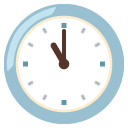
🕚
The Emoji
Eleven O’clock
U+1F55A · :eleven_oclock:
Trend 32
Meaning layers
- interpretation
- Used to signal it's almost midnight or noon — the last hour before something resets. Also used in '11:11 make a wish' culture as a precursor emoji.
- tiktok usage
- Appears in late-night posting captions to signal insomnia culture, 'it's giving 11pm energy' vibes, or the lead-up to 11:11 wish content.
- irony level
- 3 / 10
Platform meanings
- meaning
- Represents late-night content creation energy, the lead-up to 11:11 wish culture, or 'almost midnight' emotional posts.
- trend usage
- Used in captions like 'posting at 🕚 because my brain won't let me sleep' or as part of 11:11 manifestation trends.
- hashtags
- #1111wish#lateniightvibes#elevenoclock#almostmidnight#11pmthoughts
- virality score
- 38 / 100
Cultural meanings
🇺🇸
Western / Gen-Z
Primarily associated with 11:11 wish culture and late-night social media energy; used ironically to timestamp late-night bad decisions or existential thoughts.
🇵🇰
Pakistan & India
Used practically for scheduling in family and work group chats; also picks up the 11:11 spiritual wish culture from Western internet influence among younger users.
🌍
Middle East
Used for literal time-keeping in scheduling messages; late-night culture is common so 11pm holds less dramatic weight than in Western contexts.
🌐
Global Neutral
Universally understood as representing 11:00; serves as a clean, unambiguous time marker across language barriers.
🇧🇩
Bangladesh
Used mainly for practical time communication in group chats and event planning; younger users adopt the late-night aesthetic usage from global internet culture.
🇱🇰
Sri Lanka
Primarily a practical scheduling emoji; occasionally used by younger Sri Lankans familiar with 11:11 wish culture from TikTok and Instagram.
🇨🇳
China
Used literally for time; the number 11 does not carry the same mystical weight as in Western culture, though some youth adopt 11:11 trends via social platforms.
🇯🇵
Japan
Used precisely to indicate time, fitting Japanese culture's punctuality emphasis; late-night karaoke or convenience store culture can give it a fun nocturnal nuance.
🇰🇷
South Korea
Used for scheduling; late-night study and work culture (야근) makes 11pm feel familiar, so the emoji can signal grinding late into the night.
🇹🇼
Taiwan
Practical time-use is dominant; younger Taiwanese users blend Western 11:11 wish culture into their usage through Instagram and TikTok.
🇭🇰
Hong Kong
Used in fast-paced scheduling contexts; late-night city culture means 11pm is an active hour, giving the emoji a lively nocturnal association.
🇵🇭
Philippines
Filipinos use it for scheduling and time-telling; the deeply superstitious and spiritual culture resonates with 11:11 wishing traditions.
🇮🇩
Indonesia
Practical time usage dominates; younger users on TikTok and Instagram adopt late-night aesthetic and 11:11 wish trends from global content.
🇹🇭
Thailand
Used literally for time; some younger Thais connect it to 11:11 make-a-wish content popular on Thai Instagram and TikTok.
🇻🇳
Vietnam
Primarily practical scheduling use; late-night street food and social culture means 11pm is an active and social hour without much dramatic weight.
🇲🇾
Malaysia
Used for time-telling across multicultural group chats; younger Malaysians incorporate late-night aesthetic usage from global social media trends.
🇸🇦
Saudi Arabia
Used for scheduling; late-night socializing is culturally normalized, so 11pm is an active and neutral time rather than dramatically 'late.'
🇦🇪
UAE
Scheduling and time-reference use is primary; the cosmopolitan, late-night Dubai lifestyle means 11pm lacks the dramatic 'it's so late' connotation.
🇪🇬
Egypt
Practical time use; late-night culture in Cairo means 11pm is perfectly normal social hours, reducing any dramatic late-night symbolism.
🇹🇷
Turkey
Used for scheduling; Turkish late-night tea culture and social life normalize 11pm, though younger users adopt global 11:11 wish trends.
🇮🇷
Iran
Practical time communication; younger Iranians on Instagram adopt some Western 11:11 wish symbolism in creative posts.
🇳🇬
Nigeria
Used for time-keeping and event scheduling; late-night social culture is vibrant, and younger Nigerians on TikTok engage with 11:11 wish content.
🇿🇦
South Africa
Practical scheduling usage mixed with some Gen Z adoption of 11:11 wish culture; load shedding jokes about '11pm and still no power' give it local irony.
🇬🇧
UK & Ireland
Used for scheduling with typical British practicality; 11pm pub closing culture (historically) gives it a nostalgic 'last orders' connotation for older users.
🇫🇷
France
Practical time use; French late-night dining culture normalizes 11pm as dinner time, so it lacks late-night drama and is more associated with evening meals.
🇩🇪
Germany
Used precisely for scheduling with characteristic punctuality emphasis; 11pm is late by German standards, giving the emoji a mild 'it's getting late' feel.
🇪🇸
Spain & Italy
In cultures where dinner starts at 10pm, 11pm is perfectly normal social hours — this emoji lacks urgency and simply marks a pleasant evening time.
🇧🇷
Brazil
Used for scheduling; vibrant late-night social and nightlife culture means 11pm is early in Brazilian terms, making the emoji feel active and social rather than late.
🇲🇽
Mexico
Practical time use mixed with festive late-night culture; 11pm is prime social time, and younger Mexicans adopt 11:11 wish trends from global social media.
🌎
Latin America
Across Latin America, 11pm is standard social hours, so the emoji is used for active scheduling and event communication without late-night dramatic overtones.
🇦🇺
Australia & NZ
Used practically for scheduling; some adoption of 11:11 wish culture among younger users, and late-night sports streaming contexts give it an energetic feel.
How its meaning shifted
- 2010
Used almost exclusively as a literal time indicator in early smartphone messaging — purely functional with no symbolic or cultural meaning attached.
- 2015
Began appearing in casual scheduling texts and early social media posts; the 11:11 make-a-wish culture started bleeding into its emoji usage on Tumblr and early Instagram.
- 2020
Became embedded in late-night social media aesthetic culture; 11:11 manifestation and angel number trends on TikTok and Instagram boosted its spiritual and late-night symbolic usage.
- 2026
Primarily used as part of the broader 11:11 manifestation and spiritual content ecosystem, late-night insomnia and night-owl aesthetic content, and ironic procrastination humor across all major platforms.
See it on every platform
Compare with
Adjacent emojis
- Opposite
- sunrisesunsix oclock
- Often confused with
- eleven thirtyclock face one oclocktimer clock
- Can replace
- alarm clockstopwatchcalendar
Share & embed
Frequently asked
01What does the 🕚 Eleven O’clock emoji mean?
A clock face showing eleven o'clock, with the hour hand pointing to 11 and the minute hand pointing to 12.
02What does 🕚 mean on TikTok?
Represents late-night content creation energy, the lead-up to 11:11 wish culture, or 'almost midnight' emotional posts.
03What does 🕚 mean on WhatsApp?
Straightforwardly tells someone the time is 11:00, often used in scheduling messages like 'meet at 🕚'.
04What does 🕚 mean in Gen-Z slang?
Used to signal it's almost midnight or noon — the last hour before something resets. Also used in '11:11 make a wish' culture as a precursor emoji.
05Is the 🕚 emoji safe to use?
Indicates the time 11:00; used for scheduling, late-night context setting, and 11:11 wish culture.
06What does 🕚 mean in texting?
The number 11 holds significant cultural and spiritual weight (11:11 wishes, the eleventh hour), creating a psychological tension between urgency and hope. It triggers anticipatory feelings associated with 'almost time' moments.
07What is the shortcode for 🕚?
The shortcode for Eleven O’clock is :eleven_oclock:
08What does 🕚 mean in dating?
Sent at 11pm as a soft late-night text opener — plausibly deniable but clearly signaling you're thinking of someone before midnight.
Safety & usage
- Safe meaning
- Indicates the time 11:00; used for scheduling, late-night context setting, and 11:11 wish culture.
- Caution
- No widely known toxic or coded meaning; extremely low risk for misuse.
No significant warnings. In rare cases could be used to timestamp late-night unsolicited messages, but this is not a recognized toxic pattern.
How it looks across platforms


Appearance varies by platform and device. Google Noto, Twemoji, and OpenMoji are open-source.