🧝🏿
The Emoji
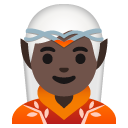
Elf: Dark Skin Tone
U+1F9DD U+1F3FF · :elf_dark_skin_tone:
Trend 55
Meaning layers
- interpretation
- Used to express mischievous energy, chaotic good vibes, whimsy, or a sense of being mystical and untameable. Also used for self-expression by dark-skinned users embracing fantasy identity.
- tiktok usage
- Appears in dark fantasy aesthetics, POC fantasy content, cottagecore/forestcore TikTok, and as a playful self-identifier for someone who is chaotic or 'not like others'.
- irony level
- 4 / 10
Platform meanings
- meaning
- Represents fantasy identity, dark mystical aesthetics, chaotic mischief, and POC representation in fantasy genres.
- trend usage
- Common in dark fantasy, Black cottagecore, POC cosplay, D&D character reveals, and 'if I were a fantasy character' trends.
- hashtags
- #BlackFantasy#POCcosplay#DarkElf#FantasyTok#BlackCottagecore
- virality score
- 58 / 100
Cultural meanings
🇺🇸
Western / Gen-Z
Strongly associated with D&D culture, Black cosplay representation, Afrofantasy aesthetics, and identity expression for dark-skinned users who love fantasy. Carries empowering overtones in the context of POC representation in fantasy media.
🇵🇰
Pakistan & India
Less commonly used; when used, it tends to appear in gaming and cosplay communities. The fantasy elf archetype is somewhat foreign to local folklore traditions, so usage is mostly limited to Westernized pop culture consumers.
🌍
Middle East
Rarely used in everyday conversation; appears in gaming communities and among fans of Western fantasy media. The elf figure does not have a direct cultural equivalent, though jinn mythology sometimes draws comparisons.
🌐
Global Neutral
Universally understood as a fantasy creature emoji with diversity representation. Used globally in gaming, fantasy fandom, and cosplay communities without strong cultural baggage.
🇧🇩
Bangladesh
Niche usage primarily among younger gaming and anime communities. The elf trope is largely a Western import, so use is concentrated in tech-savvy and pop culture-engaged demographics.
🇱🇰
Sri Lanka
Limited use outside of gaming and fantasy fandoms. Some users in younger, English-speaking circles use it to express a magical or mischievous personality.
🇨🇳
China
Used within gaming communities, particularly for fantasy RPG and MMORPG cultures where elf races are common. The skin tone modifier is less significant in cultural interpretation; the fantasy creature aspect is primary.
🇯🇵
Japan
Associated with Western fantasy RPG culture (エルフ, 'elf' is a well-known trope in anime and games). The dark skin tone may be linked to 'dark elf' (ダークエルフ) characters, a popular fantasy subtype in Japanese media.
🇰🇷
South Korea
Used in gaming and cosplay communities. South Korean fantasy media (webtoons, games) frequently features elf characters, making this emoji recognizable. The dark skin tone version is appreciated in diversity-conscious circles.
🇹🇼
Taiwan
Appears in gaming, cosplay, and fantasy fandoms. Elf characters are well-known from MMORPG culture popular in Taiwan. The skin tone modifier is understood in international fandom contexts.
🇭🇰
Hong Kong
Used in gaming and pop culture communities with familiarity from Western fantasy imports. Bilingual users may use it in English-language fantasy discussions with awareness of its representation significance.
🇵🇭
Philippines
Popular among Filipino gaming and cosplay communities. The Philippines has a strong fantasy fandom culture, and the dark skin tone resonates with Filipino users who appreciate diverse fantasy representation.
🇮🇩
Indonesia
Used in gaming and fantasy communities. Indonesian users in fantasy fandoms appreciate the diversity angle, and the emoji appears in TTRPG and cosplay groups.
🇹🇭
Thailand
Seen in gaming, cosplay, and fantasy fan communities. Thai fantasy media increasingly features diverse characters, making this emoji familiar in those circles.
🇻🇳
Vietnam
Used mainly in gaming communities, particularly in fantasy RPG contexts. The dark skin tone modifier is understood in international gaming culture discussions.
🇲🇾
Malaysia
Appears in gaming and cosplay communities. Malaysian users, especially in diverse ethnic communities, may use the dark skin tone elf as a representation emoji in fantasy contexts.
🇸🇦
Saudi Arabia
Limited use outside gaming communities. The elf figure is not part of local folklore; usage is mainly among youth who consume Western fantasy media and games.
🇦🇪
UAE
Used in cosmopolitan gaming and pop culture communities. The diverse population of the UAE means skin tone representation emojis are generally understood and appreciated.
🇪🇬
Egypt
Niche usage in gaming and fantasy fandoms. Egyptian users familiar with Western pop culture may use it in fantasy roleplay or gaming discussions.
🇹🇷
Turkey
Used in gaming and fantasy communities. Turkish users engaged with Western RPGs and fantasy media recognize the elf archetype; the dark skin tone is noted in representation discussions.
🇮🇷
Iran
Very niche usage, primarily among youth gaming communities with access to Western media. The elf trope is a foreign concept outside of gaming contexts.
🇳🇬
Nigeria
Has particular resonance in Nigeria as it represents a dark-skinned fantasy character — appreciated in Black fantasy and Afrofantasy communities. Nigerian Gen Z users in creative spaces use it to celebrate POC fantasy representation.
🇿🇦
South Africa
Used meaningfully in South African fantasy fan communities, cosplay groups, and by Black creators. The emoji is embraced as part of broader conversations about African representation in fantasy genres.
🇬🇧
UK & Ireland
Popular in D&D communities, Black British cosplay scenes, and among fans of Rings of Power and similar fantasy properties. Used in representation discussions and general fantasy fandom.
🇫🇷
France
Used in gaming and fantasy communities. French users in fantasy roleplay and cosplay circles use it; the diversity representation aspect is acknowledged in progressive cultural spaces.
🇩🇪
Germany
Common in D&D, LARP, and fantasy gaming communities. German fantasy culture is strong, and the diversity-inclusive emoji is used in representation-aware fantasy spaces.
🇪🇸
Spain & Italy
Used in fantasy gaming and cosplay communities. The elf archetype is well-known from RPG culture; the dark skin tone version appears in representation-focused discussions and diverse fandom spaces.
🇧🇷
Brazil
Popular in Brazilian gaming and fantasy communities. Brazil's diverse population means skin tone representation emojis are actively used and appreciated. Afrofantasy is a growing genre in Brazilian creative spaces.
🇲🇽
Mexico
Used in gaming, cosplay, and fantasy communities. Mexican users in Afro-Latino and Indigenous fantasy spaces may use this emoji in self-expression and representation contexts.
🌎
Latin America
Used across Latin American gaming and fantasy fan communities. The Afrofantasy movement resonates in Afro-Latino communities, giving this emoji cultural significance beyond mere gaming.
🇦🇺
Australia & NZ
Used in gaming, D&D, cosplay, and fantasy fandom communities. The representation significance is understood in progressive cultural discussions, and it appears in diverse fantasy fan spaces including Indigenous and POC cosplay communities.
How its meaning shifted
- 2010
The elf emoji did not yet exist in 2010; fantasy creature emojis were largely absent from Unicode at this time.
- 2015
Still pre-elf emoji era; fantasy representation in emoji was minimal. Users relied on combinations like 👂✨ or text emoticons for fantasy expression.
- 2020
Introduced in Unicode 10.0 (2017) and gaining traction by 2020, used in gaming, D&D, and cosplay communities. The skin tone variant was gaining visibility in POC representation discussions, especially during increased social awareness following 2020 social justice movements.
- 2026
Established as a symbol of Afrofantasy, Black joy in nerd spaces, and POC fantasy representation. Regularly used in D&D content, Black cosplay communities, fantasy aesthetics, and representation discussions. Increasingly used in Afrofuturism and Afrofantasy creative content.
See it on every platform
Adjacent emojis
- Opposite
- robot facezombieskull
- Often confused with
- mrs claus dark skin tonefairy dark skin toneperson dark skin tone
Share & embed
Frequently asked
01What does the 🧝🏿 Elf: Dark Skin Tone emoji mean?
An elf with dark skin tone, depicting a mythical humanoid creature from folklore with pointed ears, associated with magic, forests, and fantasy worlds. The dark skin tone modifier (Fitzpatrick scale type 6) provides representation.
02What does 🧝🏿 mean on TikTok?
Represents fantasy identity, dark mystical aesthetics, chaotic mischief, and POC representation in fantasy genres.
03What does 🧝🏿 mean on WhatsApp?
Signals playfulness, mischief, or a hint of magic in a conversation. Dark-skinned users may use it as a fun self-identifier.
04What does 🧝🏿 mean in Gen-Z slang?
Used to express mischievous energy, chaotic good vibes, whimsy, or a sense of being mystical and untameable. Also used for self-expression by dark-skinned users embracing fantasy identity.
05Is the 🧝🏿 emoji safe to use?
A fun, inclusive fantasy character emoji representing a dark-skinned elf. Primarily used in gaming, cosplay, and fantasy contexts. Safe for all ages and general use.
06What does 🧝🏿 mean in texting?
The elf archetype often represents freedom from societal norms and connection to nature or magic. The dark skin tone version carries added emotional weight as a representation of diversity in traditionally Eurocentric fantasy spaces, which can feel affirming and empowering for users of color.
07What is the shortcode for 🧝🏿?
The shortcode for Elf: Dark Skin Tone is :elf_dark_skin_tone:
08What does 🧝🏿 mean in dating?
Used to signal being mysterious, magical, or enchanting to a potential partner — 'I cast a spell on you' energy. Sometimes used flirtatiously by someone presenting themselves as elusive and fantastical.
Safety & usage
- Safe meaning
- A fun, inclusive fantasy character emoji representing a dark-skinned elf. Primarily used in gaming, cosplay, and fantasy contexts. Safe for all ages and general use.
- Caution
- Extremely rare, but could theoretically be misused in racist 'dark elf' trope discussions online; such usage is niche and not a significant concern.
No significant safety concerns. The emoji is a positive representation tool. Be aware that some fantasy media has historically associated 'dark elves' with negative stereotypes — contextual awareness is advised in sensitive discussions.
How it looks across platforms


Appearance varies by platform and device. Google Noto, Twemoji, and OpenMoji are open-source.