👨🏿🦽
The Emoji
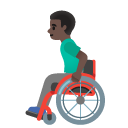
Man In Manual Wheelchair: Dark Skin Tone
U+1F468 U+1F3FF U+200D U+1F9BD · :man_in_manual_wheelchair_dark_skin_tone:
Trend 38
Meaning layers
- interpretation
- Used to represent perseverance, accessibility advocacy, or sometimes humorously to say 'I'm not moving from this spot' or 'rolling into the situation.' Also used in disability pride contexts.
- tiktok usage
- Appears in disability awareness content, accessibility rant videos, and sometimes as a metaphor for being 'wheeled out' of a situation or being unbothered and rolling away.
- irony level
- 3 / 10
Platform meanings
- meaning
- Represents disability pride, accessibility awareness, and is used by creators sharing mobility-related content or lived experiences.
- trend usage
- Featured in #DisabilityTikTok and #WheelchairLife trends, as well as in comedic skits about navigating inaccessible spaces or societal ableism.
- hashtags
- #DisabilityTikTok#WheelchairLife#AccessibilityMatters#DisabilityPride#CripTok
- virality score
- 42 / 100
Cultural meanings
🇺🇸
Western / Gen-Z
Strongly associated with disability pride, accessibility advocacy, and CripTok culture. Gen Z in Western contexts use it to signal inclusion and call out ableism.
🇵🇰
Pakistan & India
Primarily interpreted literally as representing a disabled person in a wheelchair. Used respectfully in health awareness and charity contexts, though disability stigma can influence perception.
🌍
Middle East
Interpreted literally and used in medical or charitable contexts. Disability representation is growing in visibility, and this emoji is used in awareness campaigns.
🌐
Global Neutral
Universally recognized as representing a person using a manual wheelchair. Carries connotations of disability, mobility assistance, and accessibility.
🇧🇩
Bangladesh
Used mainly in health and medical contexts, or when referring to disabled family members. Disability rights advocacy is growing and this emoji appears in related social campaigns.
🇱🇰
Sri Lanka
Interpreted literally as a representation of disability. Used in hospital and rehabilitation contexts and occasionally in disability awareness social media posts.
🇨🇳
China
Used literally in health and disability contexts. Disability representation in emoji is growing in relevance, particularly among younger urban users aware of international disability rights discourse.
🇯🇵
Japan
Interpreted formally and respectfully, associated with the disability welfare system (障害者). Used in healthcare and social welfare discussions, and increasingly in Paralympic celebration content.
🇰🇷
South Korea
Predominantly used in medical, welfare, and Paralympic sports contexts. Growing awareness of disability rights has increased its use in advocacy and representation posts.
🇹🇼
Taiwan
Used in disability welfare and accessibility discussions, as well as during Paralympic events. Younger users may use it in broader representation and inclusivity contexts.
🇭🇰
Hong Kong
Interpreted in disability rights and accessibility contexts, particularly given ongoing urban accessibility debates. Also used in healthcare and charity campaign content.
🇵🇭
Philippines
Primarily literal, referencing disabled family members or friends. Used in health and charity contexts, and increasingly in disability pride posts among younger users.
🇮🇩
Indonesia
Used in health and social welfare contexts, or to reference disabled individuals. Disability awareness campaigns use this emoji to promote inclusion.
🇹🇭
Thailand
Associated with medical care, disability welfare, and charity. The emoji appears in hospital and rehabilitation center social media content and disability awareness posts.
🇻🇳
Vietnam
Interpreted literally as a wheelchair user. Used in healthcare, rehabilitation, and disability charity contexts, with growing use in advocacy social media posts.
🇲🇾
Malaysia
Used in disability awareness, healthcare, and charitable giving contexts. Increasingly appears in posts about accessibility improvements and disability rights.
🇸🇦
Saudi Arabia
Used respectfully in medical and charity contexts, especially in campaigns related to disability care and inclusion. Associated with Islamic duty of caring for the disabled.
🇦🇪
UAE
Appears in corporate DEI communications, healthcare campaigns, and Paralympic celebrations. The UAE's accessibility initiatives give this emoji relevance in public discourse.
🇪🇬
Egypt
Used in health and charity contexts, often in campaigns for disabled support. The dark skin tone variant resonates with local demographic representation.
🇹🇷
Turkey
Interpreted literally in health and disability contexts. Used in social media posts about accessibility, rehabilitation centers, and disability rights campaigns.
🇮🇷
Iran
Used primarily in medical and welfare contexts. Disability awareness is a growing social topic, and this emoji occasionally appears in related advocacy content.
🇳🇬
Nigeria
Resonates strongly due to the dark skin tone representation. Used in health, charity, and disability advocacy contexts, with growing use in Nigerian disability rights social media.
🇿🇦
South Africa
The dark skin tone is particularly meaningful in South African contexts where representation matters. Used in disability rights advocacy, healthcare, and inclusive education discussions.
🇬🇧
UK & Ireland
Used in disability advocacy, NHS accessibility discussions, and Paralympic celebrations. The disability rights movement is active, making this emoji common in related social media.
🇫🇷
France
Associated with disability rights (droits des handicapés) and accessibility debates. Used in social commentary about public infrastructure and disability inclusion.
🇩🇪
Germany
Used in disability welfare, accessibility advocacy, and healthcare contexts. Germany's strong disability rights protections mean this emoji appears in policy discussions.
🇪🇸
Spain & Italy
Used in disability rights, healthcare, and Paralympic sports contexts. Also appears in social media campaigns about public space accessibility.
🇧🇷
Brazil
Used in disability rights campaigns, healthcare contexts, and Paralympic sports posts. The dark skin tone is meaningful in Brazil's diverse demographic context.
🇲🇽
Mexico
Interpreted literally and used in health, charity, and disability advocacy contexts. Growing disability rights movement increases its relevance in social media discourse.
🌎
Latin America
Used across Latin America in disability awareness campaigns, healthcare posts, and Paralympic sports coverage. Carries themes of resilience and community support.
🇦🇺
Australia & NZ
Strongly associated with disability rights, NDIS discussions, and accessibility advocacy. Used by disabled communities and allies in social media, with increasing visibility in mainstream discourse.
How its meaning shifted
- 2010
Emoji with this level of specificity (wheelchair + skin tone) did not exist. Disability was minimally represented in early emoji sets, with generic symbols being the norm.
- 2015
Basic wheelchair emoji representation was emerging but skin tone variants for wheelchair users were not yet available. Disability emoji were used sparingly and mostly literally.
- 2020
The skin tone variant became more widely used following increased Unicode representation efforts. Disability Pride Month and Paralympic 2020 coverage boosted visibility significantly.
- 2026
Regularly used in disability advocacy, CripTok culture, DEI communications, and everyday self-representation by disabled individuals. The dark skin tone variant is specifically celebrated for intersectional representation.
See it on every platform
Adjacent emojis
Share & embed
Frequently asked
01What does the 👨🏿🦽 Man In Manual Wheelchair: Dark Skin Tone emoji mean?
A man using a manual wheelchair, shown with dark skin tone. Represents disability, mobility assistance, and wheelchair users.
02What does 👨🏿🦽 mean on TikTok?
Represents disability pride, accessibility awareness, and is used by creators sharing mobility-related content or lived experiences.
03What does 👨🏿🦽 mean on WhatsApp?
Used to reference wheelchair use, disability, or to represent oneself or a family member who uses a wheelchair.
04What does 👨🏿🦽 mean in Gen-Z slang?
Used to represent perseverance, accessibility advocacy, or sometimes humorously to say 'I'm not moving from this spot' or 'rolling into the situation.' Also used in disability pride contexts.
05Is the 👨🏿🦽 emoji safe to use?
Represents a dark-skinned man using a manual wheelchair. Used for disability representation, advocacy, accessibility discussions, and personal identity expression.
06What does 👨🏿🦽 mean in texting?
Triggers emotional responses tied to empathy, representation, and inclusivity. For disabled users, it can evoke strong feelings of visibility and pride. For non-disabled users, it often signals awareness or allyship.
07What is the shortcode for 👨🏿🦽?
The shortcode for Man In Manual Wheelchair: Dark Skin Tone is :man_in_manual_wheelchair_dark_skin_tone:
08What does 👨🏿🦽 mean in dating?
Rarely used in flirting contexts; when used it signals openness and acceptance about one's disability status or that of a partner.
Safety & usage
- Safe meaning
- Represents a dark-skinned man using a manual wheelchair. Used for disability representation, advocacy, accessibility discussions, and personal identity expression.
- Caution
- Can be used in ableist mockery or to demean disabled individuals, though this is uncommon. Misuse in derogatory meme contexts targeting disabled people is a potential concern.
Generally safe to use. Care should be taken to avoid using this emoji in mocking or trivializing disability contexts. Non-disabled people should be mindful of performative use.
How it looks across platforms


Appearance varies by platform and device. Google Noto, Twemoji, and OpenMoji are open-source.