👬🏾
The Emoji
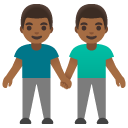
Men Holding Hands: Medium-dark Skin Tone
U+1F46C U+1F3FE · :men_holding_hands_mediumdark_skin_tone:
Trend 68
Meaning layers
- interpretation
- Used to celebrate bromances, queer relationships, male solidarity, or LGBTQ+ visibility. Gen Z uses it unironically to support gay relationships or ironically to hype up close friendships between men.
- tiktok usage
- Appears in LGBTQ+ coming-out videos, pride content, 'couple goals' duets, and bromance compilations. Also used in comments to hype up male friendships without stigma.
- irony level
- 3 / 10
Platform meanings
- meaning
- Represents gay couples, LGBTQ+ pride, male solidarity, and queer visibility. Drops into comment sections as support or celebration.
- trend usage
- Used in pride month trends, coming-out story videos, couple POV content, and 'normalize this' campaigns. Frequently in duets celebrating same-sex relationships.
- hashtags
- #PrideMonth#GayCouple#LGBTQTikTok#BromanceBros#RepresentationMatters
- virality score
- 72 / 100
Cultural meanings
🇺🇸
Western / Gen-Z
Widely embraced as a symbol of LGBTQ+ representation and male solidarity. Gen Z in Western countries uses it openly and positively in both queer and ally contexts.
🇵🇰
Pakistan & India
Rarely used publicly due to social stigma around same-sex relationships, though increasingly adopted in urban, progressive digital spaces and among younger LGBTQ+ communities online.
🌍
Middle East
Generally avoided or viewed negatively in most Middle Eastern contexts due to legal and social restrictions on same-sex relationships. Its use is mostly confined to private or anonymous LGBTQ+ online communities.
🌐
Global Neutral
Recognized as a representation of two men in a close relationship. Its interpretation as romantic versus platonic varies widely by cultural context.
🇧🇩
Bangladesh
Culturally sensitive due to conservative social norms; largely avoided in public digital spaces but used quietly in progressive and LGBTQ+ underground communities.
🇱🇰
Sri Lanka
Carries social risk if used publicly due to conservative attitudes; used discreetly by LGBTQ+ individuals in private chats or anonymous online spaces.
🇨🇳
China
Usage is limited due to platform censorship and social conservatism around LGBTQ+ topics. On uncensored platforms, it appears among progressive youth and LGBTQ+ communities.
🇯🇵
Japan
Used relatively openly in LGBTQ+ and BL (Boys Love) fan communities. Japan's nuanced attitude toward male intimacy in media allows broader but still niche usage.
🇰🇷
South Korea
Emerging in LGBTQ+ youth spaces and progressive online communities, though broader societal conservatism limits its mainstream use. Associated with queer visibility movements.
🇹🇼
Taiwan
Embraced positively and widely, especially since Taiwan legalized same-sex marriage in 2019. Used freely to celebrate gay relationships and LGBTQ+ pride.
🇭🇰
Hong Kong
Used in LGBTQ+ communities and progressive circles, though broader social conservatism tempers public usage. Increasingly visible during pride events.
🇵🇭
Philippines
Used in LGBTQ+ communities which are vibrant and visible, especially online. Carries warmth and positivity but faces tension with conservative Catholic social values.
🇮🇩
Indonesia
Rarely used publicly due to strict social and religious conservatism. Confined to private, anonymous, or expatriate LGBTQ+ digital spaces.
🇹🇭
Thailand
Used openly in Thailand's large and visible LGBTQ+ community, especially among younger generations and in entertainment contexts. Generally received positively.
🇻🇳
Vietnam
Increasingly used among urban LGBTQ+ youth and progressive communities as visibility grows, though traditional values create a cautious public usage environment.
🇲🇾
Malaysia
Avoided publicly due to legal restrictions and strong religious conservatism. Used privately in LGBTQ+ communities or among those using VPNs and anonymous platforms.
🇸🇦
Saudi Arabia
Essentially absent from public digital usage due to strict legal and religious prohibitions on same-sex relationships. Any use is highly private and carries significant risk.
🇦🇪
UAE
Similar to Saudi Arabia, rarely used publicly due to legal restrictions. Occasionally appears in expatriate or tourist LGBTQ+ communities on private platforms.
🇪🇬
Egypt
Generally taboo in mainstream digital spaces due to social and legal pressures. Used quietly in underground LGBTQ+ communities and anonymous online networks.
🇹🇷
Turkey
Usage has become more cautious as social and political climate has grown more conservative. Active in LGBTQ+ communities despite pressure, especially on platforms like Twitter.
🇮🇷
Iran
Essentially absent from open digital discourse due to severe legal restrictions. Any usage is anonymous and confined to VPN-accessed LGBTQ+ spaces.
🇳🇬
Nigeria
Largely avoided in mainstream usage due to strong cultural, religious, and legal opposition to same-sex relationships. Present in small, discreet LGBTQ+ online communities.
🇿🇦
South Africa
Used openly in South Africa's legally protected and relatively visible LGBTQ+ community, particularly in urban centers like Cape Town and Johannesburg.
🇬🇧
UK & Ireland
Widely used and positively received. Common in LGBTQ+ content, couple posts, and ally signaling across all major platforms, especially during Pride season.
🇫🇷
France
Used positively in LGBTQ+ contexts and progressive social commentary. France's strong tradition of personal liberty makes this emoji culturally acceptable and celebrated.
🇩🇪
Germany
Embraced in LGBTQ+ communities and progressive circles. Germany's legal recognition of same-sex partnerships and strong pride culture supports positive usage.
🇪🇸
Spain & Italy
In Spain, used freely and positively given strong LGBTQ+ rights culture. In Italy, usage is more divided but growing among youth and progressive communities.
🇧🇷
Brazil
Brazil's large and vibrant LGBTQ+ community, home to one of the world's biggest pride parades, embraces this emoji widely and enthusiastically despite political tensions.
🇲🇽
Mexico
Used in LGBTQ+ communities, particularly in Mexico City and urban areas where gay rights are more recognized. Tension exists with conservative regional attitudes.
🌎
Latin America
Variable across the region — embraced in progressive urban communities and among younger generations while facing resistance in more conservative rural or religious contexts.
🇦🇺
Australia & NZ
Used openly and positively following marriage equality legislation in both countries. Common in pride content, couple posts, and LGBTQ+ ally communication.
How its meaning shifted
- 2010
This specific emoji did not exist yet. Male couple representation in emoji was absent, and LGBTQ+ representation in Unicode was a growing advocacy issue.
- 2015
Basic couple emoji existed but skin tone diversity was just being introduced. This specific variant was emerging as Unicode began implementing the Fitzpatrick skin tone modifier system.
- 2020
Widely available and increasingly used in LGBTQ+ visibility content, pride month campaigns, and representation advocacy. Its usage surged alongside growing mainstream LGBTQ+ acceptance and social media activism.
- 2026
Normalized across platforms as a standard expression of gay male relationships and male solidarity. The skin tone variant is specifically used to celebrate LGBTQ+ men of color and intersectional queer representation. Usage continues to grow in global LGBTQ+ digital communities.
See it on every platform
Adjacent emojis
Share & embed
Frequently asked
01What does the 👬🏾 Men Holding Hands: Medium-dark Skin Tone emoji mean?
Two men holding hands with medium-dark skin tone modifier applied to both figures, representing same-sex male partnership, friendship, or brotherhood.
02What does 👬🏾 mean on TikTok?
Represents gay couples, LGBTQ+ pride, male solidarity, and queer visibility. Drops into comment sections as support or celebration.
03What does 👬🏾 mean on WhatsApp?
Signals a gay relationship, close male friendship, or brotherhood depending on context. Used between friends to celebrate their bond or by couples to refer to themselves.
04What does 👬🏾 mean in Gen-Z slang?
Used to celebrate bromances, queer relationships, male solidarity, or LGBTQ+ visibility. Gen Z uses it unironically to support gay relationships or ironically to hype up close friendships between men.
05Is the 👬🏾 emoji safe to use?
Representation of a gay male couple or close male friendship. Used positively in LGBTQ+ visibility, pride, and solidarity contexts.
06What does 👬🏾 mean in texting?
Carries strong emotional weight for LGBTQ+ individuals as a symbol of visibility and validation. For allies, it signals affirmation and solidarity. The skin tone modifier adds a layer of racial representation, making it especially meaningful for men of color in LGBTQ+ spaces.
07What is the shortcode for 👬🏾?
The shortcode for Men Holding Hands: Medium-dark Skin Tone is :men_holding_hands_mediumdark_skin_tone:
08What does 👬🏾 mean in dating?
Used by gay or bisexual men to signal interest, indicate they are in or seeking a same-sex relationship, or to flirt subtly in dating app bios and DMs.
Safety & usage
- Safe meaning
- Representation of a gay male couple or close male friendship. Used positively in LGBTQ+ visibility, pride, and solidarity contexts.
- Caution
- Can be used mockingly or homophobically in hostile contexts to demean men who are close friends or to harass gay individuals. May appear in hate speech threads paired with negative commentary.
Generally safe, but context matters. In regions with strong anti-LGBTQ+ sentiment, using this emoji publicly could attract harassment or signal vulnerability. Monitor usage in politically sensitive or anonymous hostile online spaces.
How it looks across platforms


Appearance varies by platform and device. Google Noto, Twemoji, and OpenMoji are open-source.