🕜
The Emoji
One-thirty
U+1F55C · :onethirty:
Trend 15
Meaning layers
- interpretation
- Used loosely to signal an odd or inconvenient time, often late night chaos, or as a random filler emoji with no deep meaning. Also used to indicate being 'stuck in time' or running behind schedule.
- tiktok usage
- Appears in 'night owl' or 'insomnia' content, late-night study vlogs, or as a timestamp for unhinged 1:30 AM thoughts.
- irony level
- 3 / 10
Platform meanings
- meaning
- Symbol of late-night content creation, sleep-deprived wisdom, or the chaotic thoughts that only happen post-midnight.
- trend usage
- Used in POV videos about being awake at 1:30 AM, study-with-me content, or 'things I think about at 1:30 AM' trend.
- hashtags
- #1amthoughts#latenight#nightowl#cantsleep#insomniacheck
- virality score
- 22 / 100
Cultural meanings
🇺🇸
Western / Gen-Z
Used casually to represent late-night chaos, insomnia culture, or as a timestamp for unhinged 1:30 AM content — widely understood as a 'night owl' signal.
🇵🇰
Pakistan & India
Used practically to specify 1:30 in scheduling conversations; among younger users, associated with late-night study sessions or cricket matches running overtime.
🌍
Middle East
Practical time indicator in daily messaging; 1:30 PM may correspond to post-Zuhr prayer time, making it a common scheduling reference.
🌐
Global Neutral
Universally understood as a clock showing 1:30, used for scheduling and time reference with no strong secondary meaning.
🇧🇩
Bangladesh
Used in scheduling contexts; late-night usage resonates with students and professionals who often work past midnight due to load-shedding culture.
🇱🇰
Sri Lanka
Primarily functional for time-setting in messages; occasionally used humorously in late-night group chats among youth.
🇨🇳
China
Used pragmatically for time coordination; 1:30 PM is a typical post-lunch break time, so this emoji sees regular use in work scheduling.
🇯🇵
Japan
Associated with punctuality culture; using a precise half-hour clock emoji signals seriousness about scheduling and respect for time.
🇰🇷
South Korea
Tied to 'night owl' student culture and intense late-night study (야자) sessions; used humorously in study group chats.
🇹🇼
Taiwan
Functional time emoji; also resonates in night market culture where 1:30 AM is still active social time.
🇭🇰
Hong Kong
Common in busy scheduling contexts; 1:30 AM has cultural resonance with Hong Kong's famously active late-night restaurant scene.
🇵🇭
Philippines
Used in late-night group chats; 1:30 AM texting is relatively normalized in Filipino youth culture, so this emoji appears frequently.
🇮🇩
Indonesia
Practical scheduling use; among youth, associated with late-night gaming sessions or social media activity.
🇹🇭
Thailand
Used to schedule late-night street food outings or social events; Thailand's vibrant nightlife makes 1:30 AM a socially active time.
🇻🇳
Vietnam
Functional time reference; in youth culture, associated with late-night online gaming or overtime work culture.
🇲🇾
Malaysia
Used practically for scheduling; also appears in late-night mamak stall meetup coordination, as Malaysian social life often extends past midnight.
🇸🇦
Saudi Arabia
Used in scheduling contexts; 1:30 AM is a realistic social hour given Saudi Arabia's nocturnal-leaning social culture, especially in summer.
🇦🇪
UAE
Common scheduling emoji; Dubai's 24/7 lifestyle means 1:30 AM is a legitimate social and business reference time.
🇪🇬
Egypt
Used in late-night social planning; Egyptian social life, especially in summer, frequently extends well past 1 AM.
🇹🇷
Turkey
Appears in late-night meetup coordination; Turkish tea house and social culture makes 1:30 AM a plausible social hour.
🇮🇷
Iran
Used for time scheduling; among youth, associated with late-night social media activity and circumventing daytime internet restrictions.
🇳🇬
Nigeria
Used practically for time coordination; late-night social activity is common in urban Nigeria, lending the emoji relevance after dark.
🇿🇦
South Africa
Functional scheduling use; in Cape Town and Johannesburg youth culture, associated with late-night events and social plans.
🇬🇧
UK & Ireland
Used casually for scheduling; also carries a 'post-pub' connotation, as 1:30 AM is a common wind-down time after nightlife.
🇫🇷
France
Practical time emoji; in French dinner culture where meals run late, 1:30 AM is not an unusual social hour, lending this emoji relevance.
🇩🇪
Germany
Used precisely and functionally for scheduling, aligning with German directness about time; less likely to be used metaphorically.
🇪🇸
Spain & Italy
Highly relatable time in Southern European culture where dinner might start at midnight; 1:30 AM is a normal social hour.
🇧🇷
Brazil
Resonates strongly with Brazilian late-night social culture; used in plans for pagode, forró, or post-dinner outings that start very late.
🇲🇽
Mexico
Common in late-night social planning; Mexican fiesta culture and urban nightlife make 1:30 AM a lively reference point.
🌎
Latin America
Broadly resonant across Latin America where late-night social culture is the norm; used in coordinating gatherings and parties.
🇦🇺
Australia & NZ
Used for scheduling; also appears in 'late night' content culture, and in cricket/sport watching contexts when overseas games broadcast at odd hours.
How its meaning shifted
- 2010
Primarily used as a literal time indicator in early smartphone messaging; clock emojis were novel and mostly functional in SMS and early app culture.
- 2015
Became slightly more expressive as emoji culture grew; used in scheduling apps, group chats, and early social media posts to indicate specific times.
- 2020
Absorbed into late-night social media aesthetics and insomnia culture; used in meme contexts and relatable '1:30 AM thoughts' content across TikTok and Twitter.
- 2026
Niche but stable usage; primarily functional for scheduling with a secondary layer as a late-night aesthetic marker in Gen Z and millennial digital spaces.
See it on every platform
Compare with
Adjacent emojis
- Opposite
- sunrisesunalarm clock
- Often confused with
- one thirty clocktwo thirtytimer clock
- Can replace
- alarm clockstopwatchcrescent moon
Share & embed
Frequently asked
01What does the 🕜 One-thirty emoji mean?
A clock face showing the time of 1:30 AM or PM, with the hour hand pointing to one and the minute hand pointing to six.
02What does 🕜 mean on TikTok?
Symbol of late-night content creation, sleep-deprived wisdom, or the chaotic thoughts that only happen post-midnight.
03What does 🕜 mean on WhatsApp?
Literally communicating the time 1:30, used to schedule meetups, confirm times, or indicate what time something happened.
04What does 🕜 mean in Gen-Z slang?
Used loosely to signal an odd or inconvenient time, often late night chaos, or as a random filler emoji with no deep meaning. Also used to indicate being 'stuck in time' or running behind schedule.
05Is the 🕜 emoji safe to use?
A completely benign time-telling emoji used for scheduling, coordination, and mild late-night cultural references.
06What does 🕜 mean in texting?
Clock emojis can trigger subconscious associations with deadlines, missed appointments, or the liminal quiet of late night hours, evoking a soft melancholy or urgency.
07What is the shortcode for 🕜?
The shortcode for One-thirty is :onethirty:
08What does 🕜 mean in dating?
Rarely used flirtatiously on its own; may be sent as a subtle 'still up?' signal at 1:30 AM to hint at wanting attention or company.
Safety & usage
- Safe meaning
- A completely benign time-telling emoji used for scheduling, coordination, and mild late-night cultural references.
- Caution
- No known toxic or coded meanings; extremely low risk of misuse.
No content warnings necessary. This emoji carries no harmful associations in any known cultural or online context.
How it looks across platforms
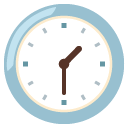


Appearance varies by platform and device. Google Noto, Twemoji, and OpenMoji are open-source.