🌘
The Emoji
Waning Crescent Moon
U+1F318 · :waning_crescent_moon:
Trend 58
Meaning layers
- interpretation
- Used to convey a mysterious, dark, or introspective aesthetic — often associated with 'that girl' energy, witchy vibes, late-night existential thoughts, and soft melancholy. Represents the vibe of being up at 3am overthinking.
- tiktok usage
- Appears in 'dark academia', 'witch aesthetic', and 'night owl' content. Frequently used in captions about being up late, feeling mysterious, or embracing a moody inner world.
- irony level
- 3 / 10
Platform meanings
- meaning
- Aesthetic marker for mysterious, witchy, dark academic, or introspective content. Signals 'main character at 3am' energy.
- trend usage
- Used in 'night routine', 'witch aesthetic', 'dark academia', and 'that girl but make it gothic' trends. Often in text overlays on moody B-roll.
- hashtags
- #darkacademia#witchaesthetic#moonchild#nightowl#celestialvibes
- virality score
- 62 / 100
Cultural meanings
🇺🇸
Western / Gen-Z
Widely used as an aesthetic and identity marker in witch, dark academia, and night owl subcultures. Carries moody, introspective, 'main character at midnight' connotations.
🇵🇰
Pakistan & India
Holds significant cultural and religious weight as a symbol of Islam and the lunar calendar, especially during Ramadan moon sighting season. Also used in Bollywood-inspired romantic nocturnal contexts.
🌍
Middle East
Deeply associated with Islamic lunar calendar traditions and Ramadan. Used in religious messaging, moon sighting announcements, and celebratory posts around Eid.
🌐
Global Neutral
Universally understood as a symbol of nighttime, the lunar cycle, and celestial beauty. Used across cultures for astronomy, sleep, and late-night contexts.
🇧🇩
Bangladesh
Connected to Islamic lunar calendar use similar to South Asian Muslim communities. Also appears in nocturnal and nature-themed social media posts.
🇱🇰
Sri Lanka
Used in both Buddhist lunar calendar contexts and general nighttime aesthetics. Poya (full moon) culture means moon emojis carry spiritual meaning.
🇨🇳
China
Associated with the moon in Chinese culture, evoking Mid-Autumn Festival feelings and poetic lunar imagery. Used in night-related content and occasional moody aesthetics.
🇯🇵
Japan
Connected to tsukimi (moon viewing) tradition and poetic appreciation of the moon. Used in aesthetic, melancholic, and seasonal contexts — often with a wabi-sabi undertone.
🇰🇷
South Korea
Used in dark, aesthetic social media content and night-themed K-pop fan edits. Also appears in 'healing' and introspective content popular in Korean digital culture.
🇹🇼
Taiwan
Used in artistic and aesthetic contexts similar to Japan. Appears in celestial-themed content and night photography communities.
🇭🇰
Hong Kong
Used in a mix of Western aesthetic contexts and traditional lunar calendar references. Appears in night city photography and moody content.
🇵🇭
Philippines
Used in late-night social media posts and aesthetic content. Also carries folk and spiritual significance tied to lunar beliefs in indigenous traditions.
🇮🇩
Indonesia
Strongly associated with Islamic moon sighting and Ramadan. Also used in aesthetic and night-themed content by younger urban audiences.
🇹🇭
Thailand
Used in night-themed content and occasionally in Buddhist lunar calendar contexts. Appears in aesthetic photography and moody social media posts.
🇻🇳
Vietnam
Linked to the Mid-Autumn Festival (Tết Trung Thu) and lunar calendar traditions. Used in both festive and general nighttime contexts.
🇲🇾
Malaysia
Carries dual meaning — Islamic lunar calendar significance for the majority Muslim population, and general aesthetic/nighttime use among younger audiences.
🇸🇦
Saudi Arabia
Primarily used in Islamic religious context, especially for Ramadan moon sighting announcements and Hijri calendar references. A symbol of cultural and spiritual identity.
🇦🇪
UAE
Used in Islamic lunar context as well as cosmopolitan aesthetic content. Appears during Ramadan heavily and in luxury night-life-adjacent aesthetics.
🇪🇬
Egypt
Strongly tied to Islamic lunar calendar and Ramadan traditions. Also used in romantic and poetic Arabic-language posts evoking classic moon imagery in poetry.
🇹🇷
Turkey
Connected to both Islamic crescent symbolism and general romantic or aesthetic use. Appears in poetic posts, night photography, and Ramadan content.
🇮🇷
Iran
Used in Persian poetic tradition where the moon holds deep romantic and philosophical meaning. Also appears in Nowruz and lunar calendar contexts.
🇳🇬
Nigeria
Used in late-night social media content and increasingly in aesthetic posts. Among Muslim communities in Northern Nigeria, carries Ramadan lunar significance.
🇿🇦
South Africa
Used primarily in aesthetic and nighttime contexts. Some communities connect it to indigenous lunar-based calendaring traditions.
🇬🇧
UK & Ireland
Used in dark academic, witchy, and aesthetic subcultures. Also appears in astronomy enthusiast content and dramatic late-night tweets.
🇫🇷
France
Used in romantic nocturnal contexts and artistic/aesthetic posts. French internet culture uses it in philosophical and poetic late-night content.
🇩🇪
Germany
Used in astronomy and nature contexts as well as aesthetic moody content. Appears in late-night productivity culture ('Nachtschicht' vibes).
🇪🇸
Spain & Italy
Used in romantic and poetic nighttime contexts. Mediterranean cultures tie moon imagery to passion, mystery, and artistic expression.
🇧🇷
Brazil
Used in aesthetic and moody content, particularly in 'dark vibes' and introspective posts. Also appears in Umbanda and other Afro-Brazilian spiritual contexts where the moon has ritual significance.
🇲🇽
Mexico
Connected to both Indigenous lunar calendar traditions and modern aesthetic use. Appears in Día de Muertos adjacent content and mystical, spiritual posts.
🌎
Latin America
Broadly used for nocturnal aesthetics and mystical/spiritual content. Lunar symbolism is strong across Latin American indigenous and mestizo traditions.
🇦🇺
Australia & NZ
Used in night sky photography (Southern Hemisphere astronomy), aesthetic content, and among indigenous communities where lunar cycles hold cultural importance.
How its meaning shifted
- 2010
Used almost exclusively in a literal astronomical context — to denote the moon phase, nighttime, or space-related topics. No significant cultural or aesthetic layer.
- 2015
Began appearing in spiritual and astrology communities online. Early Tumblr witchcraft and celestial aesthetic scenes adopted it as part of moon phase symbolism.
- 2020
Exploded in usage within dark academia, witchcore, and 'soft gothic' aesthetics on TikTok and Instagram. Became shorthand for moody introspective energy and late-night culture.
- 2026
Established icon of the 'mysterious aesthetic' era — used across villain arc content, lunar spirituality, dark romance BookTok, and night owl identity. Increasingly used ironically in lore-core memes.
See it on every platform
Adjacent emojis
- Often confused with
- crescent moonwaxing crescent moonnew moon face
Share & embed
Frequently asked
01What does the 🌘 Waning Crescent Moon emoji mean?
The waning crescent moon emoji depicts the moon in its final lunar phase before the new moon, showing a thin crescent sliver on the left side with the rest in shadow.
02What does 🌘 mean on TikTok?
Aesthetic marker for mysterious, witchy, dark academic, or introspective content. Signals 'main character at 3am' energy.
03What does 🌘 mean on WhatsApp?
Sent in late-night chats to indicate you're up past midnight, feeling reflective, or in a mysterious mood.
04What does 🌘 mean in Gen-Z slang?
Used to convey a mysterious, dark, or introspective aesthetic — often associated with 'that girl' energy, witchy vibes, late-night existential thoughts, and soft melancholy. Represents the vibe of being up at 3am overthinking.
05Is the 🌘 emoji safe to use?
Nighttime, lunar phases, astronomy, Islamic lunar calendar, celestial aesthetics, introspection, and mystery.
06What does 🌘 mean in texting?
The waning crescent evokes the psychological experience of endings and letting go. It psychologically maps to the liminal space between activity and rest, mirroring feelings of fading energy, quiet contemplation, or bittersweet closure.
07What is the shortcode for 🌘?
The shortcode for Waning Crescent Moon is :waning_crescent_moon:
08What does 🌘 mean in dating?
Used to signal mysterious, 'hard to get' energy or to suggest a late-night rendezvous without being explicit. Texts like 'thinking about you 🌘' carry quiet romantic weight.
Safety & usage
- Safe meaning
- Nighttime, lunar phases, astronomy, Islamic lunar calendar, celestial aesthetics, introspection, and mystery.
- Caution
- Occasionally co-opted in edgy or 'dark' online spaces to signal nihilism or detachment, but rarely weaponized in harmful ways.
Generally very safe. In some contexts it may be used alongside occult or witchcraft content which could be sensitive for certain religious audiences. No significant NSFW usage patterns detected.
How it looks across platforms
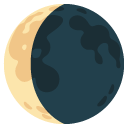


Appearance varies by platform and device. Google Noto, Twemoji, and OpenMoji are open-source.