🧚🏾♀️
The Emoji
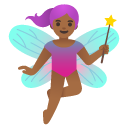
Woman Fairy: Medium-dark Skin Tone
U+1F9DA U+1F3FE U+200D U+2640 U+FE0F · :woman_fairy_mediumdark_skin_tone:
Trend 72
Meaning layers
- interpretation
- Used to signal main character energy, magical vibes, effortless cool, or unbothered aesthetic. Also used to indicate someone is 'that girl' — mysterious, ethereal, and untouchable. Frequently deployed ironically to claim divine or chaotic feminine energy.
- tiktok usage
- Appears in 'main character' videos, ethereal makeup tutorials, and 'living in my own world' content. Used when someone does something unexpectedly smooth or unbothered.
- irony level
- 5 / 10
Platform meanings
- meaning
- Ethereal, unbothered, main character energy. Used in captions and comments to signal magical or untouchable vibes.
- trend usage
- Featured in 'dark feminine,' 'that girl,' cottagecore, and glow-up trends. Also used in chaotic girlboss humor.
- hashtags
- #fairyenergy#darkfeminine#maincharacter#unbothered#etherealgirl
- virality score
- 74 / 100
Cultural meanings
🇺🇸
Western / Gen-Z
Core aesthetic emoji for expressing Black girl magic, dark feminine energy, and main character syndrome. Ubiquitous in captions, bios, and comments celebrating effortless confidence.
🇵🇰
Pakistan & India
Used mostly by younger, digitally active women to express whimsy, playfulness, or a carefree mood. Carries a light magical connotation without deep cultural rooting in local fairy mythology.
🌍
Middle East
Generally used by younger women on platforms like Instagram and TikTok to signal a dreamy or magical aesthetic. The skin tone representation resonates positively with users seeking inclusive emoji options.
🌐
Global Neutral
Universally understood as a magical, whimsical symbol associated with femininity, lightness, and enchantment. Broadly positive across most digital contexts worldwide.
🇧🇩
Bangladesh
Used primarily among younger urban women to express a carefree, playful mood. Fairy imagery is not deeply rooted in Bengali folklore but the emoji is adopted through global social media influence.
🇱🇰
Sri Lanka
Adopted by younger social media users to signal a fun, magical vibe influenced by global trends. Not tied to local mythological beings but used in a broadly whimsical way.
🇨🇳
China
Used on platforms like Weibo and Xiaohongshu to signal an ethereal, delicate aesthetic (仙女 'xiānnǚ' fairy energy). The medium-dark skin tone may be less relatable visually but the magical concept resonates strongly.
🇯🇵
Japan
Associated with fairy-tale and manga/anime aesthetics. Japanese users may prefer platform-native fairy stickers but the emoji is used for magical girl (魔法少女) energy on Instagram and Twitter.
🇰🇷
South Korea
Used in aesthetic content on Instagram and KakaoTalk to signal dreamy, fantasy-inspired vibes. Aligns with Korean fan culture's love of ethereal and otherworldly imagery.
🇹🇼
Taiwan
Similar to broader East Asian usage — signals a soft, magical aesthetic. Used in lifestyle content and among fans of fantasy genres on Instagram and Dcard.
🇭🇰
Hong Kong
Used across generations on WhatsApp and Instagram to express whimsy or compliment someone's otherworldly beauty. The skin tone modifier is appreciated for inclusivity.
🇵🇭
Philippines
Widely used among younger Filipinos on TikTok and Facebook to express enchantment, carefree vibes, or to compliment someone as fairy-like. Resonates with local love for fantasy narratives.
🇮🇩
Indonesia
Popular among young Indonesian women on TikTok and Instagram. Used to signal a dreamy, magical mood and aligns with growing dark feminine and cottagecore aesthetics in Indonesian online culture.
🇹🇭
Thailand
Used to signal ethereal beauty and carefree energy. Thai TikTok users deploy it in aesthetic videos and it aligns with Thai digital culture's appreciation for fantasy and soft magical aesthetics.
🇻🇳
Vietnam
Adopted through TikTok and Instagram trends to represent whimsy and magical energy. Vietnamese Gen Z uses it alongside sparkle emojis for aesthetic captions.
🇲🇾
Malaysia
Used across multicultural Malaysian social media for a whimsical, carefree vibe. Appreciated for its skin tone diversity among Malay, Indian, and Chinese Malaysian users online.
🇸🇦
Saudi Arabia
Used mainly by younger Saudi women on private or semi-public accounts to signal a playful, dreamy mood. The fairy concept is recognized through global media but not rooted in local cultural mythology.
🇦🇪
UAE
Popular among the UAE's diverse, digitally engaged youth — both Emirati and expat women use it to signal magical, effortless energy in Instagram and TikTok content.
🇪🇬
Egypt
Used by younger Egyptian women on social media to express a carefree or whimsical mood. The darker skin tone is positively received for its relatability to some North African users.
🇹🇷
Turkey
Used in aesthetic Instagram and TikTok content to signal an ethereal, fantasy-inspired vibe. Turkish Gen Z integrates it into captions for dreamy or escapist content.
🇮🇷
Iran
Used on Instagram (via VPN) and Telegram by younger Iranian women to signal a whimsical, carefree personality. Fairy imagery is recognized through Persian mythology adjacent to fantasy narratives.
🇳🇬
Nigeria
Strongly embraced as a symbol of Black girl magic and feminine power. Nigerian women on Twitter, TikTok, and Instagram use it proudly to signal elegance, mystery, and effortless excellence.
🇿🇦
South Africa
Used widely by South African women across racial identities to signal enchantment and Black feminine magic. Strong resonance in Afrocentric beauty and empowerment content.
🇬🇧
UK & Ireland
Used playfully and ironically by British and Irish Gen Z — signals being unbothered or mysteriously chaotic. Often paired with dry humour in tweets and Instagram captions.
🇫🇷
France
Used in Parisian aesthetic content and among younger French women for a whimsical, effortlessly chic vibe. Appreciated in fairy-themed fashion and beauty content.
🇩🇪
Germany
Adopted mostly among younger German users for fantasy and aesthetic content. Less ironic usage than UK counterparts — more straightforwardly signals magical or dreamy vibes.
🇪🇸
Spain & Italy
Used enthusiastically in lifestyle, beauty, and fashion content. Spanish and Italian Gen Z women use it to signal charm, femininity, and an enchanting personality.
🇧🇷
Brazil
Very popular among Brazilian women on Instagram and TikTok. Associated with 'fada' (fairy) energy and embraced in Afro-Brazilian beauty spaces as a symbol of Black feminine magic.
🇲🇽
Mexico
Used by younger Mexican women to signal a whimsical, magical personality. Appears in aesthetic TikTok and Instagram content celebrating femininity and fantasy.
🌎
Latin America
Broadly embraced across Latin America to signal fairy-like beauty and carefree feminine energy. Particularly resonant in Afro-Latina communities celebrating diverse magical femininity.
🇦🇺
Australia & NZ
Used casually and ironically by Australian and New Zealand Gen Z to signal unbothered energy or magical vibes. Often appears in beach-to-ethereal aesthetic content.
How its meaning shifted
- 2010
The emoji did not yet exist — fairy emojis with skin tone modifiers were not part of the Unicode standard. General fairy concepts were expressed with ✨ or 🧝 adjacent symbols.
- 2015
Still pre-release — skin tone modifier emojis were being introduced but fairy-specific emojis had not yet been standardized. Magic and fantasy were expressed through sparkle and star emojis.
- 2020
Recently introduced (Unicode 10.0 fairy, skin tone modifier combination), it quickly gained traction in Black girl magic, dark feminine, and cottagecore aesthetic communities during pandemic-era social media booms.
- 2026
Established as a core symbol of ethereal feminine empowerment, unbothered energy, and Black girl magic across all major platforms. Ironic usage is equally common alongside sincere aesthetic deployment.
See it on every platform
Compare with
Adjacent emojis
- Often confused with
- woman elfwoman supervillainfairy
- Can replace
- sparklesdizzywoman mage
Share & embed
Frequently asked
01What does the 🧚🏾♀️ Woman Fairy: Medium-dark Skin Tone emoji mean?
A fairy depicted as a woman with medium-dark skin tone, featuring wings and typically a magical or whimsical appearance. The medium-dark skin tone modifier (🏾) applies the Fitzpatrick scale type V coloring.
02What does 🧚🏾♀️ mean on TikTok?
Ethereal, unbothered, main character energy. Used in captions and comments to signal magical or untouchable vibes.
03What does 🧚🏾♀️ mean on WhatsApp?
Playful and whimsical — sent to express being in a good mood, feeling magical, or doing something effortlessly well.
04What does 🧚🏾♀️ mean in Gen-Z slang?
Used to signal main character energy, magical vibes, effortless cool, or unbothered aesthetic. Also used to indicate someone is 'that girl' — mysterious, ethereal, and untouchable. Frequently deployed ironically to claim divine or chaotic feminine energy.
05Is the 🧚🏾♀️ emoji safe to use?
Whimsical, empowering, playful symbol of magical femininity and carefree confidence. Broadly positive and safe for all audiences.
06What does 🧚🏾♀️ mean in texting?
Psychologically represents a desire to be seen as otherworldly, untouchable, or above mundane concerns. Taps into escapism and the archetype of the powerful feminine magical being — signaling autonomy and enchantment.
07What is the shortcode for 🧚🏾♀️?
The shortcode for Woman Fairy: Medium-dark Skin Tone is :woman_fairy_mediumdark_skin_tone:
08What does 🧚🏾♀️ mean in dating?
Used flirtatiously to signal enchanting or irresistible qualities — 'I'm magic and you know it.' Can be sent after doing something impressive or unexpected for a crush.
Safety & usage
- Safe meaning
- Whimsical, empowering, playful symbol of magical femininity and carefree confidence. Broadly positive and safe for all audiences.
- Caution
- In rare cases used sarcastically to mock someone for being delusional, living in fantasy, or being out of touch with reality.
Generally very safe. The sarcastic 'you're living in a fairy tale' usage can be mildly dismissive but is not considered toxic or harmful. No documented use in harassment patterns.
How it looks across platforms
Appearance varies by platform and device. Google Noto, Twemoji, and OpenMoji are open-source.