💇♀️
The Emoji
Woman Getting Haircut
U+1F487 U+200D U+2640 U+FE0F · :woman_getting_haircut:
Trend 58
Meaning layers
- interpretation
- Used to signal a major transformation, self-reinvention, or a 'new me' moment. Often deployed after a breakup, personal milestone, or mental health reset. Also used literally to announce a haircut appointment.
- tiktok usage
- Appears in 'glow-up' videos, post-breakup transformation content, and 'treating myself' vlogs. Paired with dramatic before/after transitions.
- irony level
- 3 / 10
Platform meanings
- meaning
- Signals a transformation moment, self-care treat, or post-breakup glow-up. Frequently used in transition videos and 'new era' content.
- trend usage
- Used with 'new me' trend audio, glow-up challenges, and self-care routine videos. Often the starting emoji in a chain showing a full makeover sequence.
- hashtags
- #GlowUp#NewMe#SelfCareSunday#HairTransformation#TreatYourself
- virality score
- 62 / 100
Cultural meanings
🇺🇸
Western / Gen-Z
Widely understood as a self-care and transformation symbol. The post-breakup haircut trope is deeply embedded in Western Gen Z internet culture, making this emoji a shorthand for emotional reinvention.
🇵🇰
Pakistan & India
Used literally to indicate a salon visit or haircut appointment. Among younger urban users, it's also adopted to signal self-care and modern lifestyle alignment.
🌍
Middle East
Generally used in its literal sense for beauty appointments. In Gulf countries' urban social media spaces, it fits into the popular beauty influencer culture and self-pampering aesthetic.
🌐
Global Neutral
Universally understood as representing a woman at a hair salon. Carries no controversial connotations and is safely interpreted as grooming or beauty-related across all regions.
🇧🇩
Bangladesh
Primarily used literally to denote a salon visit or haircut. Growing use among younger urban women on social media to signal self-care routines.
🇱🇰
Sri Lanka
Used straightforwardly to indicate hair grooming or a salon trip. Beauty culture on social media is growing, so it also appears in lifestyle content by younger women.
🇨🇳
China
Used by younger women on platforms like WeChat and Weibo to share salon experiences or new hairstyles. The self-transformation angle resonates with 'self-upgrade' culture popular among youth.
🇯🇵
Japan
Fits naturally into Japan's highly developed beauty and grooming culture. Used to indicate salon visits, hair care routines, and aesthetic self-improvement content.
🇰🇷
South Korea
Deeply relevant in K-beauty culture where hair care and styling are central to beauty identity. Used frequently in beauty content, salon recommendations, and transformation posts.
🇹🇼
Taiwan
Popular in lifestyle and beauty social media content. Used similarly to South Korea — tied to beauty routines and the cultural emphasis on personal presentation.
🇭🇰
Hong Kong
Used in beauty and lifestyle content reflective of Hong Kong's fashion-forward culture. Appears in salon reviews, hair transformation posts, and self-care content.
🇵🇭
Philippines
Widely used in beauty and lifestyle social media content. Filipino beauty culture is vibrant online, and this emoji signals salon days, hair transformations, and self-pampering.
🇮🇩
Indonesia
Used in beauty and lifestyle contexts, especially among younger women active on Instagram and TikTok. Fits the growing self-care culture prominent in Indonesian youth media.
🇹🇭
Thailand
Highly relevant in Thailand's strong beauty and grooming culture. Used to signal salon visits, hair treatment days, and transformation content popular on Thai social media.
🇻🇳
Vietnam
Used in beauty content on Facebook and TikTok, which are dominant platforms. Represents salon culture and the increasing emphasis on personal grooming among Vietnamese youth.
🇲🇾
Malaysia
Used across communities in Malaysia for beauty-related posts. Fits into the multicultural beauty content landscape, appearing in salon recommendations and self-care posts.
🇸🇦
Saudi Arabia
Used primarily in beauty and lifestyle content among women. Given Saudi Arabia's booming beauty industry and active female beauty influencer community, it signals salon culture and self-care.
🇦🇪
UAE
Very relevant in Dubai and Abu Dhabi's luxury beauty culture. Used in posts about high-end salon experiences, hair transformations, and influencer beauty content.
🇪🇬
Egypt
Used in beauty content on Egyptian social media, especially Facebook and TikTok. Represents salon visits and self-care in a culture with a strong tradition of communal beauty rituals.
🇹🇷
Turkey
Used in beauty and lifestyle content, fitting Turkey's highly developed salon culture. Appears in hair care tips, transformation posts, and self-pampering content.
🇮🇷
Iran
Used in beauty content shared on Instagram and Telegram, which are popular among Iranian youth despite restrictions. Represents private salon culture and personal grooming.
🇳🇬
Nigeria
Used in Nigerian beauty content, especially hair-related posts which hold significant cultural weight. Hair care is deeply important in Nigerian culture, giving this emoji strong resonance.
🇿🇦
South Africa
Used across beauty and lifestyle social media. Hair culture is significant across South Africa's diverse communities, and this emoji is used in salon posts, hair transformation content, and self-care discussions.
🇬🇧
UK & Ireland
Used similarly to broader Western usage — signaling self-care, salon visits, and personal transformation. The post-breakup haircut trope is equally recognized in UK internet culture.
🇫🇷
France
Used in beauty and lifestyle content consistent with France's emphasis on elegant self-care and beauty. Appears in salon recommendation posts and personal grooming content.
🇩🇪
Germany
Primarily used literally to indicate a haircut or salon appointment. Less culturally loaded than in Anglo-American internet culture but understood in self-care contexts.
🇪🇸
Spain & Italy
Used in beauty and lifestyle content. In both cultures with strong traditions of personal presentation, this emoji naturally fits salon and grooming-related social media posts.
🇧🇷
Brazil
Highly relevant in Brazil's enormously popular beauty culture. Hair care is especially important in Brazilian culture, and this emoji appears frequently in salon, beauty influencer, and self-care content.
🇲🇽
Mexico
Used in beauty and self-care content. Mexican beauty culture is vibrant online, and this emoji signals salon days, hair transformations, and self-pampering posts.
🌎
Latin America
Broadly used across Latin America in beauty and lifestyle content. Hair care holds cultural significance in many Latin American communities, making this emoji widely relevant.
🇦🇺
Australia & NZ
Used similarly to broader Western usage for salon visits and self-care signaling. The transformation and 'new me' connotation is also recognized in Australian and New Zealand internet culture.
How its meaning shifted
- 2010
Existed as a generic haircut emoji (💇) without gender specification. Used primarily in a literal sense to indicate hair salon services in early smartphone emoji keyboards.
- 2015
Gained slightly more social media traction as emoji culture grew. Still used mostly literally but beginning to appear in self-care and beauty-focused posts on Instagram and Twitter.
- 2020
Gender-specific ZWJ sequence now widely supported. Became embedded in self-care discourse and the 'post-breakup haircut' meme trope. Used heavily in transformation and glow-up content accelerated by pandemic self-care trends.
- 2026
Firmly established as a self-care and transformation symbol in internet culture. Used across platforms in 'new era' content, beauty influencer posts, and as a shorthand for intentional self-reinvention beyond just literal haircuts.
See it on every platform
Compare with
Adjacent emojis
- Often confused with
- woman getting massagebarber poleperson getting haircut
- Can replace
- sparklesseedlingwoman dancing
Share & embed
Frequently asked
01What does the 💇♀️ Woman Getting Haircut emoji mean?
A woman seated in a salon chair receiving a haircut, typically depicted with scissors and a cape. Represents personal grooming, self-care, and hair styling services.
02What does 💇♀️ mean on TikTok?
Signals a transformation moment, self-care treat, or post-breakup glow-up. Frequently used in transition videos and 'new era' content.
03What does 💇♀️ mean on WhatsApp?
Sent to announce a haircut appointment, share excitement about a new hairstyle, or update friends about a salon visit.
04What does 💇♀️ mean in Gen-Z slang?
Used to signal a major transformation, self-reinvention, or a 'new me' moment. Often deployed after a breakup, personal milestone, or mental health reset. Also used literally to announce a haircut appointment.
05Is the 💇♀️ emoji safe to use?
Represents a woman receiving a haircut at a salon — a completely benign depiction of personal grooming and self-care.
06What does 💇♀️ mean in texting?
Hair changes are psychologically linked to identity shifts and emotional processing. The haircut emoji often signals a desire for control, fresh starts, or emotional catharsis — especially after relationship endings or major life changes.
07What is the shortcode for 💇♀️?
The shortcode for Woman Getting Haircut is :woman_getting_haircut:
08What does 💇♀️ mean in dating?
Rarely used flirtatiously, but may be sent to hint at 'getting done up' for a date or to signal effort being put into appearance for someone special.
Safety & usage
- Safe meaning
- Represents a woman receiving a haircut at a salon — a completely benign depiction of personal grooming and self-care.
- Caution
- Occasionally used dismissively in toxic contexts to mock women for making superficial changes instead of addressing real problems, reinforcing reductive stereotypes.
Generally very safe. Minor concern exists around its use in mocking contexts that trivialize women's coping mechanisms or reinforce gendered stereotypes about emotional responses.
How it looks across platforms
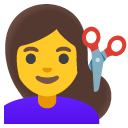
Appearance varies by platform and device. Google Noto, Twemoji, and OpenMoji are open-source.