👩🏽🦯
The Emoji
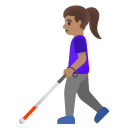
Woman With White Cane: Medium Skin Tone
U+1F469 U+1F3FD U+200D U+1F9AF · :woman_with_white_cane_medium_skin_tone:
Trend 48
Meaning layers
- interpretation
- Used to signal someone is 'blind' to obvious truths, ignoring red flags, or navigating life clueless. Also genuinely used as disability pride representation.
- tiktok usage
- Appears in videos about 'walking into situations blindly,' self-aware humor about missing obvious signs, or disability awareness content. Sometimes used in POV storytelling.
- irony level
- 5 / 10
Platform meanings
- meaning
- Represents navigating life blindly, ignoring red flags, or genuine disability pride and visibility content.
- trend usage
- Used in POV videos, 'blind to red flags' trends, disability storytelling, and 'walking into situations' meme formats.
- hashtags
- #DisabilityPride#BlindToRedFlags#DisabilityAwareness#AccessibilityMatters#BlindTok
- virality score
- 52 / 100
Cultural meanings
🇺🇸
Western / Gen-Z
Widely used both ironically — to represent blissful ignorance of red flags — and genuinely as a disability pride symbol in the US, Canada, and Western Europe.
🇵🇰
Pakistan & India
Primarily interpreted literally as representing a blind or visually impaired woman; disability awareness NGOs and social media advocates use it during campaigns like World Sight Day.
🌍
Middle East
Used in accessibility and disability awareness content, particularly by Gulf-based disability inclusion organizations; literal interpretation dominates.
🌐
Global Neutral
Universally recognized as a symbol of visual impairment and disability; metaphorical uses vary by local internet culture.
🇧🇩
Bangladesh
Used mainly in disability rights discussions and NGO social media; literal interpretation is standard with limited ironic usage.
🇱🇰
Sri Lanka
Appears in disability awareness posts and health organization content; the metaphorical 'ignoring problems' usage is emerging among younger social media users.
🇨🇳
China
Used on platforms like Weibo and WeChat in disability advocacy contexts; the ironic 'blind to reality' usage is gaining traction among younger Chinese netizens.
🇯🇵
Japan
Interpreted respectfully as disability representation; Japan's strong disability etiquette culture means ironic usage is less common and can be seen as insensitive.
🇰🇷
South Korea
Used in disability awareness content on platforms like KakaoTalk and Instagram; younger Koreans also adopt the 'navigating blindly' meme format.
🇹🇼
Taiwan
Appears in accessibility advocacy posts; Taiwan's progressive disability rights culture means this emoji is treated with strong positive and respectful connotations.
🇭🇰
Hong Kong
Used in bilingual disability discourse; the ironic usage exists but is secondary to genuine representation in Hong Kong social media.
🇵🇭
Philippines
Commonly used in disability awareness campaigns by NGOs and government health pages; the meme usage of 'walking blindly into problems' is relatable among Filipino youth.
🇮🇩
Indonesia
Seen in disability advocacy content and health awareness posts; Islamic social values around care for the disabled give this emoji a respectful, compassionate connotation.
🇹🇭
Thailand
Used in disability community content and government accessibility campaigns; among Gen Z Thais, the 'ignoring problems' meme usage is growing.
🇻🇳
Vietnam
Primarily used in disability awareness and healthcare content; Vietnamese social media uses it earnestly with limited ironic layering.
🇲🇾
Malaysia
Appears in disability inclusion posts and multicultural awareness content; the ironic 'blind to red flags' usage is growing among Malaysian Gen Z.
🇸🇦
Saudi Arabia
Used in disability awareness campaigns aligned with Saudi Vision 2030 accessibility goals; interpreted respectfully and literally in most contexts.
🇦🇪
UAE
Appears in UAE disability inclusion initiatives and Expo-era accessibility content; used by NGOs and government accounts to promote inclusive society messaging.
🇪🇬
Egypt
Used in disability awareness social media content; Egyptian humor culture means the ironic 'navigating blindly' usage also appears in meme communities.
🇹🇷
Turkey
Used in disability advocacy and health content; Turkish meme culture has adopted the 'walking past problems blindly' format among younger users.
🇮🇷
Iran
Appears in disability rights content on Persian-language social media; used respectfully with strong emphasis on literal representation.
🇳🇬
Nigeria
Used in disability awareness posts and NGO content; Nigerian Twitter culture also embraces the ironic usage to describe ignoring obvious life problems.
🇿🇦
South Africa
Used in disability inclusion advocacy and healthcare posts; South African social media users adopt both the literal and ironic interpretations.
🇬🇧
UK & Ireland
Used both in disability awareness content and in the British tradition of dry, self-deprecating humor — 'me walking past my adulting responsibilities 👩🏽🦯'
🇫🇷
France
Used in disability advocacy and accessibility policy discussions; French social media culture is beginning to adopt the ironic 'blind to the obvious' usage.
🇩🇪
Germany
Primarily used in earnest disability representation and accessibility advocacy; German digital culture favors literal over ironic emoji usage.
🇪🇸
Spain & Italy
Used in disability awareness campaigns and social inclusion content; Mediterranean humor culture also embraces the ironic 'navigating life blindly' interpretation.
🇧🇷
Brazil
Widely used in disability advocacy content in Portuguese; Brazilian social media culture enthusiastically adopts the ironic usage in meme and humor formats.
🇲🇽
Mexico
Used in disability awareness content and social inclusion messaging; Mexican meme culture layers in the ironic 'ciega a los problemas' (blind to problems) usage.
🌎
Latin America
Broadly used across Latin America for disability representation; Spanish-language ironic meme usage is growing across the region's vibrant meme communities.
🇦🇺
Australia & NZ
Used in disability inclusion advocacy and is also embraced in Australian self-deprecating humor culture, often deployed to joke about ignoring obvious life chaos.
How its meaning shifted
- 2010
This specific emoji did not exist; disability representation in emoji was largely absent and the concept of skin-tone modifiers had not yet been introduced.
- 2015
A basic person with cane emoji was beginning to be discussed in Unicode proposals; disability advocacy groups were pushing for better representation in the emoji keyboard.
- 2020
Newly available and primarily used for disability pride and visibility; the metaphorical 'walking blindly into situations' meme usage began emerging on TikTok and Twitter.
- 2026
Firmly established in dual roles — genuine disability representation and Gen Z shorthand for blissful or willful ignorance; appears regularly in both advocacy content and meme culture across all major platforms.
See it on every platform
Adjacent emojis
- Often confused with
- woman walkingwoman runningperson gesturing no
- Can replace
- eyessee no evil monkeywoman shrugging
Share & embed
Frequently asked
01What does the 👩🏽🦯 Woman With White Cane: Medium Skin Tone emoji mean?
A woman with medium skin tone using a white cane, representing blindness or visual impairment and accessibility.
02What does 👩🏽🦯 mean on TikTok?
Represents navigating life blindly, ignoring red flags, or genuine disability pride and visibility content.
03What does 👩🏽🦯 mean on WhatsApp?
Sent to express that someone is clueless, ignoring the obvious, or used in disability-related discussions.
04What does 👩🏽🦯 mean in Gen-Z slang?
Used to signal someone is 'blind' to obvious truths, ignoring red flags, or navigating life clueless. Also genuinely used as disability pride representation.
05Is the 👩🏽🦯 emoji safe to use?
Disability representation, accessibility advocacy, visual impairment awareness, and self-deprecating humor about missing obvious signs.
06What does 👩🏽🦯 mean in texting?
Evokes both genuine admiration for navigating challenges and self-deprecating humor about one's own blind spots. Psychologically connects to themes of independence despite adversity.
07What is the shortcode for 👩🏽🦯?
The shortcode for Woman With White Cane: Medium Skin Tone is :woman_with_white_cane_medium_skin_tone:
08What does 👩🏽🦯 mean in dating?
Rarely used flirtatiously; sometimes used humorously to say 'I'm blind to how obsessed I am with you' in a playful way.
Safety & usage
- Safe meaning
- Disability representation, accessibility advocacy, visual impairment awareness, and self-deprecating humor about missing obvious signs.
- Caution
- Could potentially be used mockingly to demean visually impaired people, though this usage is rare and context-dependent.
Generally safe; use with care to avoid mocking actual disability. When used ironically, ensure context is clearly self-deprecating rather than targeting disabled individuals.
How it looks across platforms


Appearance varies by platform and device. Google Noto, Twemoji, and OpenMoji are open-source.