🧟♂️
The Emoji
Man Zombie
U+1F9DF U+200D U+2642 U+FE0F · :man_zombie:
Trend 68
Meaning layers
- interpretation
- Used to describe feeling completely dead inside, running on autopilot, or being a mindless drone going through the motions of life. Also used ironically to describe someone obsessed with something to the point of losing all reason.
- tiktok usage
- Appears in 'I am the 🧟♂️ going to work at 6am' style captions, morning routine struggles, and brain-rot content where users act mindlessly.
- irony level
- 8 / 10
Platform meanings
- meaning
- Symbol of being dead inside, going through life on autopilot, or being consumed by an obsession. Used in relatable exhaustion content and horror-comedy skits.
- trend usage
- Used in POV videos, 'day in my life' captions for early mornings, brain-rot trends, and duets reacting to absurd content with mindless zombie behavior.
- hashtags
- #zombiemode#deadinside#mondaymood#brainrot#notokay
- virality score
- 72 / 100
Cultural meanings
🇺🇸
Western / Gen-Z
The primary irony emoji for burnout, Monday dread, and being dead inside — universally understood in meme culture as relatable exhaustion humor.
🇵🇰
Pakistan & India
Used mainly for Halloween references among urban youth, or as a funny way to describe being exhausted after a long study session or family function. Less culturally loaded than in the West.
🌍
Middle East
Primarily used in the context of Halloween, horror movies, or gaming. Younger, digitally fluent users may adopt the burnout irony from Western social media.
🌐
Global Neutral
Universally recognized as a zombie symbol — understood across cultures as referencing the undead, horror, or Halloween regardless of local nuance.
🇧🇩
Bangladesh
Used mainly among younger, internet-connected users for Halloween or gaming references. The ironic 'dead inside' usage is emerging through TikTok and meme consumption.
🇱🇰
Sri Lanka
Primarily associated with Halloween and horror content. Urban youth may use it ironically for exhaustion, borrowing from global meme culture.
🇨🇳
China
Less common due to platform differences and cultural distance from Halloween traditions. On platforms like Weibo or Bilibili, it may appear in horror game discussions or anime zombie content.
🇯🇵
Japan
Associated with zombie anime/manga culture (e.g., Is This a Zombie?, Highschool of the Dead) and games. Used enthusiastically in gaming and otaku communities. Halloween usage is also growing.
🇰🇷
South Korea
Used in gaming contexts, K-drama fan discussions (zombie series like Kingdom are very popular), and Halloween content. The exhaustion irony is also understood and used.
🇹🇼
Taiwan
Used for zombie games, horror content, and Halloween. Also adopted for ironic exhaustion memes among younger users who consume global social media.
🇭🇰
Hong Kong
Popular in Halloween contexts and zombie film discussions. Western irony of 'dead inside' is understood among younger English-speaking users.
🇵🇭
Philippines
Commonly used for Halloween (a major holiday in the Philippines), horror content, and zombie games. The burnout/dead-inside usage is also emerging on TikTok.
🇮🇩
Indonesia
Associated with Halloween and horror content, growing in usage with global social media consumption. Used in gaming communities for zombie game discussions.
🇹🇭
Thailand
Used in Halloween and horror contexts. Thai youth on TikTok and Twitter adopt the ironic exhaustion usage from global meme trends.
🇻🇳
Vietnam
Primarily used for horror games and Halloween content. Ironic 'dead inside' usage is growing among younger social media users.
🇲🇾
Malaysia
Used for Halloween, horror content, and gaming. The multicultural, digitally connected population means both literal and ironic uses are present.
🇸🇦
Saudi Arabia
Primarily used in gaming and horror content contexts. Halloween references are less culturally prominent but exist among younger, globally connected users.
🇦🇪
UAE
Used in the very culturally diverse UAE for Halloween events (popular in expat communities), horror games, and among younger users for exhaustion memes.
🇪🇬
Egypt
Used among youth for horror content and gaming. The ironic burnout usage is adopted by those heavily exposed to Western social media.
🇹🇷
Turkey
Used for Halloween, horror series (popular in Turkey), and gaming. Ironic exhaustion memes using this emoji are understood by younger users.
🇮🇷
Iran
Used mainly in gaming communities for zombie game references. Ironic usage is present among youth who access global social media via VPN.
🇳🇬
Nigeria
Used humorously to describe extreme exhaustion, particularly in university culture. Also used for Halloween content and horror movie discussions. Nollywood zombie content creates local context.
🇿🇦
South Africa
Used in Halloween contexts (growing popularity), gaming communities, and ironically for exhaustion — particularly among English-speaking youth.
🇬🇧
UK & Ireland
Well understood in both literal (Halloween, horror) and ironic (dead inside, Monday suffering) contexts. Very similar usage to the US with strong meme culture adoption.
🇫🇷
France
Used primarily for Halloween and horror content. The ironic exhaustion usage is growing, particularly among youth on TikTok and Twitter. French meme culture has adopted it.
🇩🇪
Germany
Used in gaming contexts, Halloween, and horror content. The 'I am a zombie going to work' irony is understood and used by German social media users.
🇪🇸
Spain & Italy
Halloween is very popular in both countries among younger generations, making this emoji common in October content. Ironic burnout usage is also present on social media.
🇧🇷
Brazil
Widely used for Halloween, horror content, and zombie games. The ironic 'dead inside' usage is very popular on Brazilian Twitter and TikTok among youth.
🇲🇽
Mexico
Halloween (Día de los Muertos context aside) and horror content drive usage. The exhaustion irony is popular among Mexican social media users who blend local and global meme culture.
🌎
Latin America
Broadly used for horror content, zombie games, and Halloween across Latin American countries. Ironic exhaustion memes are growing in popularity on regional TikTok.
🇦🇺
Australia & NZ
Used very similarly to the UK and US — Halloween, horror, gaming, and strong ironic exhaustion meme usage. Common in meme accounts and casual social media.
How its meaning shifted
- 2010
The zombie emoji didn't exist yet (added in 2017), but zombie culture was at a peak with The Walking Dead's debut. Text-based zombie representations were common.
- 2015
Still pre-emoji, but zombie culture remained strong. Users improvised with 💀 or creative text art. The cultural groundwork for zombie = exhaustion humor was being laid.
- 2020
Introduced in 2017, by 2020 it was well established. Used heavily for COVID-era content — people describing themselves as zombie workers or pandemic zombies shuffling through lockdown.
- 2026
Fully entrenched in internet language as the primary emoji for burnout, brain rot, and exhausted autopilot living. Also used in AI/automation discussions to describe mindless human labor being replaced.
See it on every platform
Adjacent emojis
- Often confused with
- person walkingperson gesturing noghost
- Can replace
- skullface with spiral eyeszombie
Share & embed
Frequently asked
01What does the 🧟♂️ Man Zombie emoji mean?
A male-presenting zombie figure, depicted with torn clothing, decaying flesh, and outstretched arms in classic undead style. Part of the ZWJ sequence combining 🧟 (zombie) and ♂️ (male sign).
02What does 🧟♂️ mean on TikTok?
Symbol of being dead inside, going through life on autopilot, or being consumed by an obsession. Used in relatable exhaustion content and horror-comedy skits.
03What does 🧟♂️ mean on WhatsApp?
Sent to signal extreme tiredness or that the sender is operating without proper sleep or energy. Also used to agree mindlessly with something.
04What does 🧟♂️ mean in Gen-Z slang?
Used to describe feeling completely dead inside, running on autopilot, or being a mindless drone going through the motions of life. Also used ironically to describe someone obsessed with something to the point of losing all reason.
05Is the 🧟♂️ emoji safe to use?
Used for humor, Halloween, horror entertainment, and relatable exhaustion content. Completely safe in most contexts.
06What does 🧟♂️ mean in texting?
Psychologically represents dissociation or depersonalization expressed humorously. Using this emoji allows people to externalize burnout and emotional deadness without heavy emotional weight, providing a coping mechanism through dark humor.
07What is the shortcode for 🧟♂️?
The shortcode for Man Zombie is :man_zombie:
08What does 🧟♂️ mean in dating?
Rarely used in flirting directly; might appear as self-deprecating humor like 'I'm a total 🧟♂️ before coffee, still down to meet?' to seem relatable.
Safety & usage
- Safe meaning
- Used for humor, Halloween, horror entertainment, and relatable exhaustion content. Completely safe in most contexts.
- Caution
- Could theoretically be used to dehumanize someone by calling them a mindless zombie, though this is uncommon and context-dependent.
Generally very safe. In rare cases, could be used alongside genuinely harmful content about violence, but the emoji itself carries no inherent toxicity. Be mindful in professional communication contexts.
How it looks across platforms
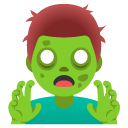
Appearance varies by platform and device. Google Noto, Twemoji, and OpenMoji are open-source.