🧑🏿🦼➡️
The Emoji
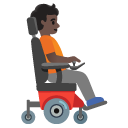
Person In Motorized Wheelchair Facing Right: Dark Skin Tone
U+1F9D1 U+1F3FF U+200D U+1F9BC U+200D U+27A1 U+FE0F · :person_in_motorized_wheelchair_facing_right_dark_skin_tone:
Trend 35
Meaning layers
- interpretation
- Used to signal moving forward, 'rolling out,' or departing a situation with zero energy to spare. Also used in disability advocacy content or to celebrate accessible spaces and inclusivity wins.
- tiktok usage
- Appears in 'leaving a bad situation' edits, disability awareness trends, and reaction videos where someone mentally 'wheels away' from drama or responsibilities.
- irony level
- 4 / 10
Platform meanings
- meaning
- Represents leaving, moving forward, or disability pride. Used in reaction content and accessibility advocacy videos.
- trend usage
- Appears in POV videos, 'rolling out' transitions, disability awareness month content, and exit-from-drama reaction clips.
- hashtags
- #DisabilityPride#RollingOut#AccessibilityMatters#WheelchairLife#InclusiveSpaces
- virality score
- 42 / 100
Cultural meanings
🇺🇸
Western / Gen-Z
Widely understood as a disability representation emoji; Gen Z uses it both seriously for advocacy and humorously as an 'I'm outta here' shorthand.
🇵🇰
Pakistan & India
Primarily interpreted literally as a symbol of physical disability; used in awareness posts and medical/social welfare discussions. Less common in casual chat.
🌍
Middle East
Used mainly in formal disability awareness contexts and healthcare discussions; cultural stigma around disability means casual use is limited.
🌐
Global Neutral
Universally recognized as representing a motorized wheelchair user; serves as an accessibility and inclusion symbol across global digital platforms.
🇧🇩
Bangladesh
Interpreted as a disability symbol, used in social welfare NGO posts and disability awareness campaigns; less common in everyday digital communication.
🇱🇰
Sri Lanka
Used in disability rights discussions and accessible infrastructure advocacy; relatively niche in casual digital use.
🇨🇳
China
Used in health and disability-related contexts; WeChat users may employ it for accessibility discussions but it remains uncommon in everyday chat.
🇯🇵
Japan
Associated with accessibility signage culture in Japan; used respectfully in disability welfare discussions and barrier-free design content.
🇰🇷
South Korea
Appears in disability rights content and K-welfare discussions; younger users may also use it in exit or 'rolling away' humor contexts.
🇹🇼
Taiwan
Used in accessibility advocacy and social inclusion discussions; progressively embraced in disability pride content as representation improves.
🇭🇰
Hong Kong
Appears in social welfare and accessibility posts; occasionally used in casual humor by younger users in exit or departure contexts.
🇵🇭
Philippines
Used in disability awareness posts and OFW (overseas worker) health discussions; occasionally repurposed in humorous 'leaving' contexts online.
🇮🇩
Indonesia
Primarily used in Islamic social welfare and disability charity contexts; respectful usage dominates, with casual use being limited.
🇹🇭
Thailand
Appears in disability support content and accessible tourism posts; casual humor use is emerging among Thai youth on social media.
🇻🇳
Vietnam
Used in disability welfare and healthcare advocacy content; relatively formal in usage, tied to social support narratives.
🇲🇾
Malaysia
Appears in disability rights and inclusive education discussions; also used casually by youth to signal 'rolling out' in Malay-English digital slang.
🇸🇦
Saudi Arabia
Used carefully in disability awareness contexts; cultural norms around disability mean it's more common in formal advocacy than casual chat.
🇦🇪
UAE
Seen in inclusive Dubai/Abu Dhabi smart city content, accessibility tourism posts, and disability advocacy by expat and local communities alike.
🇪🇬
Egypt
Used in disability charity and social welfare contexts; occasionally appears in humor as an exit symbol among younger Egyptian social media users.
🇹🇷
Turkey
Appears in disability rights discussions and accessible urban planning content; younger Turkish users also use it humorously for departures.
🇮🇷
Iran
Primarily used in disability welfare and healthcare-related content; cultural context keeps usage relatively formal and respectful.
🇳🇬
Nigeria
Used in disability awareness and NGO content; occasionally adopted in Afrobeat digital culture as a humorous exit or 'I'm out' signal.
🇿🇦
South Africa
Used in disability rights advocacy and township accessibility discussions; also appears in inclusive sports content given South Africa's Paralympic culture.
🇬🇧
UK & Ireland
Used both in disability advocacy (with strong NHS/disability charity context) and humorously by Gen Z as a 'rolling out' departure emoji.
🇫🇷
France
Appears in accessibility policy discussions and disability pride content; French youth may use it in ironic humor around social exits.
🇩🇪
Germany
Used in disability rights, barrier-free design, and welfare state discussions; Germans tend to use it earnestly and respectfully.
🇪🇸
Spain & Italy
Appears in disability advocacy and accessible tourism content; Mediterranean social media culture also embraces it in humorous exit contexts.
🇧🇷
Brazil
Used in disability rights content and Paralympic athlete celebrations; Brazilian social media culture also repurposes it in playful 'saindo daqui' (getting out of here) contexts.
🇲🇽
Mexico
Appears in disability inclusion posts and accessible infrastructure discussions; younger Mexican users also use it humorously to signal leaving drama.
🌎
Latin America
Broadly used across Latin America in disability solidarity posts and accessibility advocacy; casual humor use as an exit emoji is growing among youth.
🇦🇺
Australia & NZ
Used in disability advocacy, NDIS-related content (Australia), and accessible outdoor activity posts; also casually used by youth in departure humor.
How its meaning shifted
- 2010
This specific emoji did not exist in 2010; basic wheelchair symbols were available but without directional, skin tone, or motorized variants. Disability emoji representation was minimal.
- 2015
Still not available in this form; standard wheelchair emoji existed but lacked diversity, direction, and motorized distinction. Used mainly in formal accessibility contexts.
- 2020
Directional wheelchair emojis with skin tones began rolling out; usage was primarily in disability advocacy, healthcare discussions, and early representation conversations on social media.
- 2026
Firmly established in disability pride, accessibility advocacy, and inclusive digital communication; also widely used in casual 'exit' or 'rolling out' humor by Gen Z across all major platforms.
See it on every platform
Adjacent emojis
Share & embed
Frequently asked
01What does the 🧑🏿🦼➡️ Person In Motorized Wheelchair Facing Right: Dark Skin Tone emoji mean?
A person using a motorized wheelchair, depicted with dark skin tone, facing to the right. This emoji represents mobility aid users and people with physical disabilities who rely on powered wheelchairs.
02What does 🧑🏿🦼➡️ mean on TikTok?
Represents leaving, moving forward, or disability pride. Used in reaction content and accessibility advocacy videos.
03What does 🧑🏿🦼➡️ mean on WhatsApp?
Used to indicate leaving a conversation, physically moving somewhere, or representing a disabled family member or friend.
04What does 🧑🏿🦼➡️ mean in Gen-Z slang?
Used to signal moving forward, 'rolling out,' or departing a situation with zero energy to spare. Also used in disability advocacy content or to celebrate accessible spaces and inclusivity wins.
05Is the 🧑🏿🦼➡️ emoji safe to use?
A respectful representation of a dark-skinned person using a motorized wheelchair, used for disability advocacy, accessibility awareness, and inclusive representation.
06What does 🧑🏿🦼➡️ mean in texting?
This emoji carries strong associations with autonomy and independence for disabled individuals. For non-disabled users, it can evoke empathy, solidarity, or be used humorously to signal exit from situations. It normalizes disability in everyday digital communication.
07What is the shortcode for 🧑🏿🦼➡️?
The shortcode for Person In Motorized Wheelchair Facing Right: Dark Skin Tone is :person_in_motorized_wheelchair_facing_right_dark_skin_tone:
08What does 🧑🏿🦼➡️ mean in dating?
Rarely used in flirting contexts; if used, it might signal someone moving on from a situationship or 'rolling away' from romantic drama.
Safety & usage
- Safe meaning
- A respectful representation of a dark-skinned person using a motorized wheelchair, used for disability advocacy, accessibility awareness, and inclusive representation.
- Caution
- Could potentially be used mockingly or in ableist meme contexts to demean people with disabilities, though this is not a common usage pattern.
Always consider context when using disability-related emojis. Avoid using in ableist humor or to demean wheelchair users. When used by non-disabled people purely for meme 'exit' humor, be mindful of potential insensitivity to the disability community.
How it looks across platforms
Appearance varies by platform and device. Google Noto, Twemoji, and OpenMoji are open-source.