🤾🏻
The Emoji
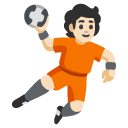
Person Playing Handball: Light Skin Tone
U+1F93E U+1F3FB · :person_playing_handball_light_skin_tone:
Trend 22
Meaning layers
- interpretation
- Used to signal athletic energy, sporty vibes, or being in grind mode. Sometimes used humorously to represent throwing something (literally or metaphorically) at a problem or person.
- tiktok usage
- Appears in gym motivation content, sports clips, or comedically when someone is 'throwing hands' or tossing blame around.
- irony level
- 4 / 10
Platform meanings
- meaning
- Represents athletic hustle, gym motivation, or the act of throwing something metaphorically
- trend usage
- Appears in sports challenge videos, 'day in my life as an athlete' content, or comedic 'throwing it away' trend
- hashtags
- #handball#sportslife#athlete#gymgrind#activeliving
- virality score
- 28 / 100
Cultural meanings
🇺🇸
Western / Gen-Z
Used humorously to represent 'throwing' things metaphorically — stress, bad vibes, or blame — and earnestly in sporty fitness content.
🇵🇰
Pakistan & India
Handball is less culturally prominent here, so the emoji is more likely used generically to represent athletic activity or physical play rather than the specific sport.
🌍
Middle East
Used in the context of general athleticism; handball has some popularity in countries like Egypt and Jordan, lending the emoji minor sports-specific use.
🌐
Global Neutral
Universally understood as an athletic/sports emoji, representing physical activity and competitive energy across cultures.
🇧🇩
Bangladesh
Interpreted broadly as a sports or physical activity emoji; the specific sport of handball is not widely known, so it represents general athleticism.
🇱🇰
Sri Lanka
Used generically to denote sports or active play; cricket dominates sports culture so this emoji is rarely sport-specific.
🇨🇳
China
Handball has limited mainstream popularity, so this emoji is used more broadly for athletic effort or general sports enthusiasm in social media.
🇯🇵
Japan
Japan has a modest handball culture; the emoji may be used by sports enthusiasts or in school sports contexts where handball is part of curriculum.
🇰🇷
South Korea
Handball has a dedicated following in Korea; the emoji can be used genuinely by fans and players, as well as in general sports contexts.
🇹🇼
Taiwan
Used in general sports contexts; the light skin tone may prompt some discussion about skin tone representation in Taiwanese social media.
🇭🇰
Hong Kong
Interpreted as a sports/activity emoji in general social media use; handball is not a dominant sport culturally.
🇵🇭
Philippines
Mainly interpreted as a generic athletic emoji; handball is not widely played so the emoji represents general physical activity or competition.
🇮🇩
Indonesia
Used in sports and fitness content broadly; the specific sport of handball has limited recognition so it carries a general 'sporty' connotation.
🇹🇭
Thailand
Represents general athletic energy; used in fitness and sports content without strong association to the specific sport of handball.
🇻🇳
Vietnam
Interpreted as a general sports emoji; may appear in content about school sports or general physical fitness.
🇲🇾
Malaysia
Handball has limited cultural presence, so the emoji is used broadly for athletic activity, gym culture, or competitive spirit.
🇸🇦
Saudi Arabia
Used in sports and fitness contexts; growing gym culture in the region means athletic emojis are increasingly common in youth social media.
🇦🇪
UAE
With a young, cosmopolitan social media population, used in fitness and sports content; may also appear in content about multinational sports leagues.
🇪🇬
Egypt
Egypt has a handball tradition, particularly at the African and international level; the emoji holds more specific sports meaning here than in many other regions.
🇹🇷
Turkey
Turkey has an active handball scene; the emoji is used both for genuine handball discussion and general athletic motivation posts.
🇮🇷
Iran
Used in sports and gym-related content; handball is played at the school and amateur level, giving the emoji modest sport-specific relevance.
🇳🇬
Nigeria
Interpreted as a general sports emoji; used in athletic and gym motivation content, though football dominates sports culture heavily.
🇿🇦
South Africa
Used in general sports contexts; with a diverse sports culture, it may appear alongside other sports emojis in athletic content.
🇬🇧
UK & Ireland
Handball is gaining popularity in the UK; the emoji is used both for sport-specific content and humorously in 'throwing things away' meme formats.
🇫🇷
France
France has a strong handball tradition and is a world-class handball nation; the emoji carries genuine sport-specific pride and is used enthusiastically by fans.
🇩🇪
Germany
Germany is a handball powerhouse; the emoji is used widely and earnestly by handball fans, players, and sports media.
🇪🇸
Spain & Italy
Spain and Italy have passionate handball communities; the emoji is used in sports fan contexts and national team support posts.
🇧🇷
Brazil
Handball is played but football dominates; the emoji is used more generically for athletic energy or as part of Olympics-related content.
🇲🇽
Mexico
Used in general sports and fitness contexts; handball has limited mainstream visibility so the emoji broadly represents athleticism.
🌎
Latin America
Across Latin America, used broadly for sporty energy and athletic motivation; handball-specific use is rare except in countries with active national programs.
🇦🇺
Australia & NZ
Used in sports and gym content; handball in the Australian context may be confused with the schoolyard game 'handball,' giving the emoji a playful, nostalgic dimension.
How its meaning shifted
- 2010
Emoji did not exist yet; sports communication relied on generic ball emojis or text descriptions.
- 2015
Handball emoji introduced as part of Unicode's sports expansion; used mainly in literal handball sports contexts with limited widespread adoption.
- 2020
Usage expanded with fitness culture boom during the pandemic; light skin tone modifier increasingly selected; began appearing in gym and motivation content beyond just handball.
- 2026
Integrated into broader 'throwing things' meme culture and fitness content; skin tone variants actively chosen to represent personal identity; used across TikTok, Threads, and BeReal for athletic lifestyle signaling.
See it on every platform
Adjacent emojis
- Often confused with
- person throwing ballperson cartwheelingperson golfing
- Can replace
- athletic shoetrophyfire
Share & embed
Frequently asked
01What does the 🤾🏻 Person Playing Handball: Light Skin Tone emoji mean?
A person with light skin tone playing handball, depicted mid-throw or in an athletic stance typical of the sport of handball.
02What does 🤾🏻 mean on TikTok?
Represents athletic hustle, gym motivation, or the act of throwing something metaphorically
03What does 🤾🏻 mean on WhatsApp?
Signals sporty activity, gym plans, or handball-related conversation
04What does 🤾🏻 mean in Gen-Z slang?
Used to signal athletic energy, sporty vibes, or being in grind mode. Sometimes used humorously to represent throwing something (literally or metaphorically) at a problem or person.
05Is the 🤾🏻 emoji safe to use?
Represents the sport of handball or general athletic activity; completely safe and positive in standard contexts.
06What does 🤾🏻 mean in texting?
Conveys a sense of physical power and focus. The throwing motion can psychologically signal aggression, determination, or release — often used as a healthy outlet of competitive energy.
07What is the shortcode for 🤾🏻?
The shortcode for Person Playing Handball: Light Skin Tone is :person_playing_handball_light_skin_tone:
08What does 🤾🏻 mean in dating?
Rarely used as a direct flirt tool, but can be used to show off athleticism or hint at being sporty and active — a subtle way to signal physical fitness.
Safety & usage
- Safe meaning
- Represents the sport of handball or general athletic activity; completely safe and positive in standard contexts.
- Caution
- Could theoretically be used in harassment contexts to imply 'throwing hands' or aggression, though this is uncommon and a stretch.
No significant toxic usage patterns identified. Light skin tone selection may occasionally prompt conversations about skin tone representation but poses no real risk.
How it looks across platforms


Appearance varies by platform and device. Google Noto, Twemoji, and OpenMoji are open-source.