🕞
The Emoji
Three-thirty
U+1F55E · :threethirty:
Trend 18
Meaning layers
- interpretation
- Often used sarcastically to represent being stuck in a boring afternoon slump, the awkward after-school/post-lunch dead zone, or procrastinating on something due soon.
- tiktok usage
- Used in captions about that specific mid-afternoon energy crash or the classic '3:30 feeling' where motivation completely evaporates.
- irony level
- 5 / 10
Platform meanings
- meaning
- Represents the notorious 3:30 PM energy crash or the chaotic school-dismissal hour.
- trend usage
- Used in 'POV: it's 3:30 and...' trend videos, after-school chaos content, and afternoon productivity fail compilations.
- hashtags
- #330pm#afternoonslump#afterschool#threeThirty#clockemoji
- virality score
- 28 / 100
Cultural meanings
🇺🇸
Western / Gen-Z
Strongly associated with the post-school dismissal chaos and the notorious afternoon energy crash; used ironically in memes about procrastination and low productivity.
🇵🇰
Pakistan & India
Used practically in WhatsApp and family group chats for scheduling tuition classes, cricket matches, or chai time, which often falls around 3:30 PM.
🌍
Middle East
Represents an active afternoon hour, especially post-lunch activity resumption, used for scheduling prayers or business meetings in the late afternoon window.
🌐
Global Neutral
Universally understood as a literal time indicator; interpretation is straightforward across cultures as representing 3:30 on a clock.
🇧🇩
Bangladesh
Used in coordination for afternoon madrasa classes, school pickup times, or tea breaks around the mid-afternoon.
🇱🇰
Sri Lanka
Associated with school dismissal time and after-school tuition scheduling; a common time reference in family group chats.
🇨🇳
China
Used in business and student scheduling contexts; 3:30 PM is often an active working or study period, so the emoji appears in productivity and planning conversations.
🇯🇵
Japan
Linked to the typical after-school club activity time (bukatsu) and the PM school shift; used in scheduling and reminder contexts with high precision.
🇰🇷
South Korea
Strongly tied to the after-school academy (hagwon) culture; 3:30 PM marks the start of intense private tutoring schedules and is a reference point in student humor.
🇹🇼
Taiwan
Used for after-school scheduling and the afternoon snack culture; 3:30 PM is a socially recognized break time in school and office settings.
🇭🇰
Hong Kong
Associated with the afternoon tea (下午茶) tradition; 3:30 PM is a culturally significant tea and snack time, making this emoji appear in food and social contexts.
🇵🇭
Philippines
Represents merienda time — the beloved afternoon snack break — making the emoji appear cheerfully in food-related posts and family chat scheduling.
🇮🇩
Indonesia
Tied to afternoon prayer scheduling (Asr prayer falls near this time) and after-school pickup coordination in family group chats.
🇹🇭
Thailand
Used for school pickup, after-school activity scheduling, and the relaxed afternoon period before the evening rush.
🇻🇳
Vietnam
Associated with the post-nap work resumption in some regions and after-school tutoring schedules; used practically in family and student chats.
🇲🇾
Malaysia
Connected to school dismissal time and the afternoon tea culture influenced by British heritage; appears in both scheduling and food-related posts.
🇸🇦
Saudi Arabia
Falls near Asr prayer time, making it a relevant scheduling marker; used in both religious scheduling contexts and afternoon business meeting coordination.
🇦🇪
UAE
Used in business meeting scheduling and school pickup coordination; the UAE's multicultural context makes it a neutral, practical time reference across communities.
🇪🇬
Egypt
Tied to afternoon coffee and tea gathering culture; 3:30 PM is a sociable hour often referenced for catching up with family or friends.
🇹🇷
Turkey
Associated with the afternoon çay (tea) ritual; 3:30 PM is a common social break time, making this emoji appear in lighthearted social scheduling contexts.
🇮🇷
Iran
Used for afternoon scheduling — post-nap activity is common in traditional households, and 3:30 PM marks the return to activity in many domestic routines.
🇳🇬
Nigeria
Used practically for school pickup and business scheduling; in Nollywood fan communities, it may reference an afternoon episode broadcast time.
🇿🇦
South Africa
Associated with school pickup and the post-braai or sports afternoon window; used in community group scheduling for clubs and events.
🇬🇧
UK & Ireland
Closely tied to the school run chaos and the hallowed 'afternoon tea' time; used humorously in relation to the post-school parent scramble.
🇫🇷
France
Represents the goûter (afternoon snack) time for children and the post-déjeuner lull; used in school and family scheduling contexts.
🇩🇪
Germany
Used precisely for scheduling meetings, after-school pickups (Hortbetreuung ends around this time), and Kaffee und Kuchen afternoon tradition.
🇪🇸
Spain & Italy
Falls in a transitional period post-siesta (Spain) or post-riposo (Italy); used to mark the resumption of afternoon activity or scheduling of late-afternoon aperitivo plans.
🇧🇷
Brazil
Associated with the afterschool snack time (lanche da tarde) and the energetic mid-afternoon social period; used in family and school scheduling contexts.
🇲🇽
Mexico
Tied to after-school activity and the merienda snack culture; used in WhatsApp family groups for school pickup coordination and afternoon plans.
🌎
Latin America
Broadly represents the merienda or afternoon snack hour across Latin American cultures; a warm and familiar scheduling reference for after-school routines.
🇦🇺
Australia & NZ
Strongly associated with school dismissal time (schools typically finish between 3 and 3:30 PM); used in school pickup logistics and humorous parent content.
How its meaning shifted
- 2010
Used almost exclusively as a literal scheduling and time-keeping symbol in SMS and early smartphone messaging apps.
- 2015
Began appearing in casual chats and social media as emoji culture expanded; still predominantly used for literal time references in group coordination.
- 2020
Adopted into meme culture around 'afternoon slump' and work-from-home scheduling jokes; Gen Z began using it ironically in TikTok and Twitter content.
- 2026
Embedded in 'that specific time of day' internet culture, used both ironically for the afternoon productivity collapse and practically in AI scheduling tools and calendar integrations.
See it on every platform
Adjacent emojis
- Opposite
- twelve oclockalarm clocknew moon
- Often confused with
- three thirty clockfour oclockthree oclock
- Can replace
- alarm clockcalendarhourglass done
Share & embed
Frequently asked
01What does the 🕞 Three-thirty emoji mean?
A clock face showing 3:30, representing the time three-thirty or half past three.
02What does 🕞 mean on TikTok?
Represents the notorious 3:30 PM energy crash or the chaotic school-dismissal hour.
03What does 🕞 mean on WhatsApp?
Literally means 'meet me at 3:30' or 'it's 3:30 already' in casual scheduling conversations.
04What does 🕞 mean in Gen-Z slang?
Often used sarcastically to represent being stuck in a boring afternoon slump, the awkward after-school/post-lunch dead zone, or procrastinating on something due soon.
05Is the 🕞 emoji safe to use?
A neutral time indicator representing 3:30; universally safe for scheduling, reminders, and casual time references.
06What does 🕞 mean in texting?
3:30 PM is associated with the natural cortisol dip in the human circadian rhythm, making this emoji subconsciously evoke fatigue, low motivation, and the craving for a snack or caffeine boost.
07What is the shortcode for 🕞?
The shortcode for Three-thirty is :threethirty:
08What does 🕞 mean in dating?
Sending 🕞 late at night can hint at a 'you up?' vibe or a subtle nudge that a meetup is overdue, though it's usually too obscure to be a primary flirt tool.
Safety & usage
- Safe meaning
- A neutral time indicator representing 3:30; universally safe for scheduling, reminders, and casual time references.
- Caution
- No documented toxic, coded, or harmful usage; extremely unlikely to be weaponized in negative communication.
No warnings needed. This emoji carries no known harmful, NSFW, or coded negative meanings across any documented community or platform.
How it looks across platforms
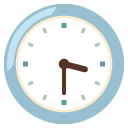


Appearance varies by platform and device. Google Noto, Twemoji, and OpenMoji are open-source.