🚴🏻♀️
The Emoji
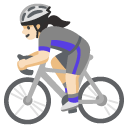
Woman Biking: Light Skin Tone
U+1F6B4 U+1F3FB U+200D U+2640 U+FE0F · :woman_biking_light_skin_tone:
Trend 52
Meaning layers
- interpretation
- Symbolizes hustle culture, fitness motivation, or the 'main character' aesthetic of someone who bikes everywhere unbothered. Also used to signal independence and not needing a car (or a man).
- tiktok usage
- Appears in fitness transformation videos, 'day in my life' content, and ironically in videos about avoiding problems by just biking away from them.
- irony level
- 3 / 10
Platform meanings
- meaning
- Fitness motivation, outdoor lifestyle content, or ironic 'cycling away from my problems' commentary.
- trend usage
- Paired with workout montages, cycling vlogs, or used ironically in stitches where someone is avoiding accountability.
- hashtags
- #cyclinggirl#bikelife#girlswhoride#outdoorfit#maincharacter
- virality score
- 55 / 100
Cultural meanings
🇺🇸
Western / Gen-Z
Represents the 'that girl' hustle aesthetic — morning rides, health routines, and unbothered energy. Irony layer: used to signal emotionally riding away from problems.
🇵🇰
Pakistan & India
Primarily literal — used to reference cycling as exercise or eco-transport, though urban Gen Z also uses it for fitness flex posts. Female representation is notable in progressive social media circles.
🌍
Middle East
Used mainly in fitness and wellness contexts, particularly among younger women in urban areas embracing active lifestyles. The female figure resonates within women-only fitness communities.
🌐
Global Neutral
Universally understood as a woman cycling — fitness, transportation, or outdoor recreation. Broadly positive and non-controversial across cultures.
🇧🇩
Bangladesh
Cycling is a common transport mode, so this emoji is used practically in conversations about commuting. Female cyclist representation is also seen as a symbol of women's mobility and independence.
🇱🇰
Sri Lanka
Used in fitness and outdoor activity contexts, and increasingly by urban youth to signal an active, health-conscious lifestyle. The gendered version resonates with women's wellness communities.
🇨🇳
China
Associated with cycling culture popularized by bike-sharing apps like Meituan and Hellobike. Used in fitness and urban mobility conversations, with the female variant being popular in women's health communities.
🇯🇵
Japan
Cycling is a deeply normalized daily activity in Japan, so this emoji is used very literally for commuting and leisure riding. It also appears in fitness and sports-themed content.
🇰🇷
South Korea
Popular in fitness and outdoor lifestyle content, especially in wellness communities influenced by the 'healthy girl' trend on Korean social media. Also used in context of cycling sports coverage.
🇹🇼
Taiwan
Used for cycling culture content — Taiwan has a strong recreational cycling scene. The female variant is popular among cycling communities promoting women's participation in the sport.
🇭🇰
Hong Kong
Used in urban commuting discussions and fitness content. In a city with dense infrastructure, cycling is often discussed as a lifestyle choice, and the emoji signals that identity.
🇵🇭
Philippines
Used in fitness and outdoor activity posts, often tied to cycling communities that organize group rides. Increasingly popular among young women in health and wellness social media spaces.
🇮🇩
Indonesia
Associated with cycling culture that boomed post-pandemic. Used in fitness content and cycling community groups, with the female variant gaining traction among women's sports communities.
🇹🇭
Thailand
Used in cycling and fitness contexts, particularly by urban youth and health influencers. Cycling tourism is popular in Thailand, so the emoji also appears in travel content.
🇻🇳
Vietnam
Cycling is a traditional transport mode, giving this emoji a practical and nostalgic dimension. Among younger users, it signals fitness culture and urban eco-mobility.
🇲🇾
Malaysia
Used in cycling club communications, fitness posts, and eco-commuting advocacy. Female representation is appreciated in women's sports and wellness communities.
🇸🇦
Saudi Arabia
Following the lifting of sports restrictions for women, this emoji represents empowerment and women's growing participation in physical activities and public sports culture.
🇦🇪
UAE
Used in fitness, cycling event, and active lifestyle content popular in expat and local communities. Dubai and Abu Dhabi's cycling infrastructure makes this very relevant.
🇪🇬
Egypt
Cycling is gaining traction as a fitness activity among urban youth. The emoji is used in sports and wellness contexts, with the female figure increasingly normalized as women's public fitness grows.
🇹🇷
Turkey
Used in cycling sports, fitness, and outdoor activity content. Turkey has a growing cycling culture and the emoji resonates in both recreational and competitive cycling communities.
🇮🇷
Iran
Used carefully in social contexts — female athletic imagery carries cultural sensitivity, but it circulates in fitness and private wellness communities, often symbolizing freedom of movement.
🇳🇬
Nigeria
Used in fitness motivation content and among cycling communities growing in urban areas. The emoji resonates with young women embracing active lifestyles and sporting independence.
🇿🇦
South Africa
Cycling is popular as both sport and commuting in South Africa. The emoji is used widely in fitness groups, cycling events, and women's sports empowerment content.
🇬🇧
UK & Ireland
Very common in cycling culture — the UK has strong cycling communities. Used for commuting flex, charity rides like Ride London, and fitness content on all platforms.
🇫🇷
France
Resonates deeply due to France's cycling culture and the Tour de France legacy. Used in casual and serious cycling content alike, and fits the broader French wellness aesthetic.
🇩🇪
Germany
Germany's strong cycling infrastructure and culture makes this emoji very practical. Used in eco-commuting advocacy, fitness content, and cycling club communications.
🇪🇸
Spain & Italy
Cycling is a beloved sport and lifestyle in both countries. The emoji appears in leisure rides, competitive cycling commentary, and tourism content in scenic regions.
🇧🇷
Brazil
Used in fitness and outdoor activity content, growing with Brazil's urban cycling movement. Also appears in environmental and sustainable transport advocacy posts.
🇲🇽
Mexico
Used in fitness content and cycling communities in urban areas like CDMX where cycling infrastructure is expanding. Signals active, eco-conscious, modern lifestyle.
🌎
Latin America
Broadly used across Latin America in fitness and cycling communities. Symbolizes an active, independent woman — resonates with growing women's sports representation movements.
🇦🇺
Australia & NZ
Cycling is deeply embedded in the active outdoor culture of both countries. Used frequently in fitness posts, morning ride check-ins, and commuting lifestyle content.
How its meaning shifted
- 2010
Emoji didn't exist yet; early cycling representations were gender-neutral and lacked skin tone options entirely.
- 2015
Introduced as part of Unicode 8.0 with skin tone support — primarily used literally to indicate cycling activity or as a fitness symbol.
- 2020
Usage expanded during the pandemic cycling boom. Gained layers around eco-commuting, female empowerment, and the fitness influencer aesthetic on Instagram and TikTok.
- 2026
Fully integrated into the 'main character' and 'that girl' aesthetic lexicons. Dual usage: literal fitness content and ironic 'riding away from problems' meme culture across all platforms.
See it on every platform
Compare with
Adjacent emojis
- Often confused with
- woman mountain bikingperson bikingracing motorcycle
- Can replace
- bicyclewoman runningwoman walking
Share & embed
Frequently asked
01What does the 🚴🏻♀️ Woman Biking: Light Skin Tone emoji mean?
A woman riding a bicycle with light skin tone modifier, representing female cycling, physical activity, and eco-friendly transportation.
02What does 🚴🏻♀️ mean on TikTok?
Fitness motivation, outdoor lifestyle content, or ironic 'cycling away from my problems' commentary.
03What does 🚴🏻♀️ mean on WhatsApp?
Telling someone you're going for a bike ride, planning outdoor activities, or signaling you're active and health-conscious.
04What does 🚴🏻♀️ mean in Gen-Z slang?
Symbolizes hustle culture, fitness motivation, or the 'main character' aesthetic of someone who bikes everywhere unbothered. Also used to signal independence and not needing a car (or a man).
05Is the 🚴🏻♀️ emoji safe to use?
A woman cycling — represents fitness, eco-transport, sports, and active lifestyle. Completely wholesome and widely positive.
06What does 🚴🏻♀️ mean in texting?
Cycling imagery evokes autonomy, forward momentum, and physical well-being. The female representation adds a layer of empowerment, signaling independence and self-sufficiency.
07What is the shortcode for 🚴🏻♀️?
The shortcode for Woman Biking: Light Skin Tone is :woman_biking_light_skin_tone:
08What does 🚴🏻♀️ mean in dating?
Used to suggest an active, adventurous date idea — 'we should go biking sometime 🚴🏻♀️' — signaling a chill, outdoorsy personality.
Safety & usage
- Safe meaning
- A woman cycling — represents fitness, eco-transport, sports, and active lifestyle. Completely wholesome and widely positive.
- Caution
- Rarely weaponized; in extremely niche contexts could be used to mock women for being 'basic' fitness types or to stereotype active women.
No significant safety concerns. The emoji is broadly safe and appropriate for all audiences and platforms.
How it looks across platforms
Appearance varies by platform and device. Google Noto, Twemoji, and OpenMoji are open-source.