🚴🏼♀️
The Emoji
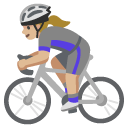
Woman Biking: Medium-light Skin Tone
U+1F6B4 U+1F3FC U+200D U+2640 U+FE0F · :woman_biking_mediumlight_skin_tone:
Trend 58
Meaning layers
- interpretation
- Used to signal an active, health-conscious lifestyle or ironically to say 'I'm doing my own thing and not caring about drama.' Also signals independence, freedom, and being unbothered.
- tiktok usage
- Appears in 'that girl' aesthetic content, morning routine videos, fitness POVs, and as a shorthand for 'I'm thriving and moving forward with my life.'
- irony level
- 3 / 10
Platform meanings
- meaning
- Represents fitness goals, outdoor adventures, the 'that girl' aesthetic, or the act of literally or metaphorically moving forward.
- trend usage
- Used heavily in morning routine POVs, fitness transformation content, cycling vlogs, and 'glow up' series. Also appears in ironic 'cycling away from my problems' trends.
- hashtags
- #cyclinggirl#thatgirl#bikelife#outdoorwomen#activegirl
- virality score
- 62 / 100
Cultural meanings
🇺🇸
Western / Gen-Z
Strongly tied to the 'that girl' aesthetic and female empowerment — used to signal an aspirational active lifestyle and independence. Frequently ironic in meme contexts about escaping problems.
🇵🇰
Pakistan & India
Used primarily in literal cycling contexts, sports discussions, or fitness communities. Female cyclist imagery carries a progressive, modern connotation in urban contexts given cycling's gendered social dynamics.
🌍
Middle East
Interpretation varies significantly by country — in more conservative contexts, female cycling can be a sensitive topic. In progressive urban settings (Dubai, Beirut), used to celebrate active, modern women.
🌐
Global Neutral
Universally understood as a woman on a bicycle, associated with physical activity, sport, health, and sustainable transportation. Broadly positive across cultures.
🇧🇩
Bangladesh
Used mainly in literal sport and fitness contexts. Female cycling is increasingly celebrated in urban progressive communities as a symbol of women's mobility and independence.
🇱🇰
Sri Lanka
Associated with fitness and outdoor activity. In urban Sri Lankan social media, used to signal a modern, health-conscious lifestyle among younger women.
🇨🇳
China
Cycling has a rich cultural history in China — this emoji is used for fitness, commuting discussions, and increasingly for leisure cycling culture (骑行热). The female variant signals gender progress in sports.
🇯🇵
Japan
Cycling is a common commuting method in Japan. This emoji is used practically for cycling discussions and also in sports and fitness content. Gender-specific emoji use is common in Japanese social media aesthetics.
🇰🇷
South Korea
Associated with the growing cycling culture and health trends in Korea. Used in fitness content, outdoor activity posts, and increasingly in 'healthy girl' aesthetic content similar to Western 'that girl' trend.
🇹🇼
Taiwan
Cycling is popular for leisure and commuting in Taiwan. This emoji appears in recreational cycling group content, fitness posts, and tourism-related cycling trail discussions.
🇭🇰
Hong Kong
Used in urban commuting and fitness contexts. Cycling advocacy content in Hong Kong uses this emoji alongside discussions of bike lane infrastructure and active transport.
🇵🇭
Philippines
Associated with fitness and outdoor activity. Gained additional traction during COVID-19 when cycling surged in popularity as transport. Female cycling imagery signals modernity and independence.
🇮🇩
Indonesia
Used in growing cycling community content (komunitas sepeda). The female variant is celebrated in women's cycling groups and fitness influencer content across Indonesian social media.
🇹🇭
Thailand
Associated with recreational cycling and fitness culture. Used by Thai fitness influencers and cycling enthusiast communities. The female skin tone representation resonates with diverse Thai social media users.
🇻🇳
Vietnam
Cycling has deep cultural roots in Vietnam. This emoji is used in both traditional commuting contexts and modern fitness/recreational cycling content. Female cyclists are celebrated in progressive lifestyle content.
🇲🇾
Malaysia
Used in cycling group content, fitness posts, and active lifestyle discussions. Female cycling representation is celebrated in progressive Malaysian communities and sports content.
🇸🇦
Saudi Arabia
Following the lifting of women's driving restrictions and growing sports culture for women, this emoji has gained traction in women's fitness and sports content. Symbolizes progress and female athletic participation.
🇦🇪
UAE
Used in the active, cosmopolitan lifestyle content popular in UAE social media. Cycling events and fitness culture are prominent in Dubai and Abu Dhabi, making this emoji common in those communities.
🇪🇬
Egypt
Used in urban fitness and cycling communities. Carries connotations of a modern, active lifestyle. Female cycling imagery is progressive in Egyptian social context and used by women's empowerment communities.
🇹🇷
Turkey
Associated with growing urban cycling culture and fitness trends in Turkish cities. Used in sports, outdoor activity, and health-conscious lifestyle content popular among younger Turkish social media users.
🇮🇷
Iran
Used in fitness and sports contexts. Female athletic representation carries nuanced meaning given social restrictions, but is used positively in progressive online communities and sports discussion spaces.
🇳🇬
Nigeria
Associated with fitness, sports, and modern lifestyle content. Cycling as sport is growing in Nigerian urban areas, and this emoji appears in fitness influencer content and sports community posts.
🇿🇦
South Africa
South Africa has a vibrant cycling culture, especially road cycling. This emoji is used enthusiastically in cycling community content, fitness posts, and women's sport empowerment discussions.
🇬🇧
UK & Ireland
Common in cycling commuter content, fitness posts, and sport discussions. Also used ironically in British humor contexts — 'cycling past my problems' or relating to the UK's cycling infrastructure debates.
🇫🇷
France
France's cycling culture (Tour de France legacy) makes this emoji culturally resonant. Used in sport, leisure cycling, and chic active lifestyle content. The female variant aligns with French wellness aesthetics.
🇩🇪
Germany
Germany has strong cycling infrastructure and culture — this emoji is used practically for commuting discussions, cycling advocacy, and fitness content. Carries a positive, eco-conscious connotation.
🇪🇸
Spain & Italy
Associated with Mediterranean active lifestyle, cycling sport culture, and leisure riding. Used in fitness content, cycling tour posts, and outdoor lifestyle aesthetics popular in both countries.
🇧🇷
Brazil
Used in fitness, sport, and outdoor lifestyle content. Brazil's growing cycling culture in urban areas like São Paulo and Rio makes this emoji relevant in commuting and leisure cycling discussions.
🇲🇽
Mexico
Associated with growing urban cycling culture and fitness trends. Used in cycling advocacy content, fitness posts, and active lifestyle social media across Mexican urban communities.
🌎
Latin America
Broadly associated with fitness, active lifestyle, and sustainable transport across Latin America. Female cyclist imagery carries empowerment connotations in women's sports and advocacy content.
🇦🇺
Australia & NZ
Highly relatable given strong outdoor and cycling cultures. Used in commuting, recreational cycling, fitness content, and women's sport discussions. Also used in ironic Aussie humor about escaping problems.
How its meaning shifted
- 2010
Emoji of this specificity did not exist in 2010. Generic cycling or sport symbols were used, with no gender or skin tone options available.
- 2015
Basic cycling emoji existed but gender and skin tone modifiers were just being introduced (Unicode 8.0). Female athlete emoji began to gain traction in fitness and sport communities.
- 2020
Widely used in fitness content, COVID-era cycling surge content, and beginning of 'that girl' aesthetic trends. Skin tone diversity in emoji use became more socially conscious.
- 2026
Established symbol of female empowerment, active lifestyle, and the unbothered aesthetic. Embedded in fitness influencer content, cycling advocacy, and ironic meme culture about escaping problems.
See it on every platform
Adjacent emojis
- Often confused with
- woman mountain bikingperson bikingwoman rowing boat
- Can replace
- bicyclewoman runningperson cartwheeling
Share & embed
Frequently asked
01What does the 🚴🏼♀️ Woman Biking: Medium-light Skin Tone emoji mean?
A woman riding a bicycle with medium-light skin tone, representing cycling, physical activity, commuting, or sport.
02What does 🚴🏼♀️ mean on TikTok?
Represents fitness goals, outdoor adventures, the 'that girl' aesthetic, or the act of literally or metaphorically moving forward.
03What does 🚴🏼♀️ mean on WhatsApp?
Typically used literally to say 'I'm going for a bike ride' or to invite someone to cycle together. Also used casually to mean 'I'm out and about / busy.'
04What does 🚴🏼♀️ mean in Gen-Z slang?
Used to signal an active, health-conscious lifestyle or ironically to say 'I'm doing my own thing and not caring about drama.' Also signals independence, freedom, and being unbothered.
05Is the 🚴🏼♀️ emoji safe to use?
A woman cycling — universally positive, representing fitness, sport, commuting, and healthy lifestyle.
06What does 🚴🏼♀️ mean in texting?
Cycling emoji evokes a sense of agency and self-propulsion — psychologically tied to autonomy and self-efficacy. The female variant adds an undertone of female empowerment and breaking gender norms in sport.
07What is the shortcode for 🚴🏼♀️?
The shortcode for Woman Biking: Medium-light Skin Tone is :woman_biking_mediumlight_skin_tone:
08What does 🚴🏼♀️ mean in dating?
Could be used to suggest going on a bike date or to show an active, adventurous personality to a potential partner. Sometimes used to hint at being low-maintenance and outdoorsy.
Safety & usage
- Safe meaning
- A woman cycling — universally positive, representing fitness, sport, commuting, and healthy lifestyle.
- Caution
- No inherently toxic usage. Rarely, could be used dismissively in contexts about women in sports, but this is uncommon.
No significant warning concerns. In rare edge cases, female athletic emoji could be used in body image or fitness-shaming contexts, but this emoji itself carries no toxic connotations.
How it looks across platforms
Appearance varies by platform and device. Google Noto, Twemoji, and OpenMoji are open-source.