🧔🏽♀️
The Emoji
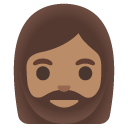
Woman: Medium Skin Tone, Beard
U+1F9D4 U+1F3FD U+200D U+2640 U+FE0F · :woman_medium_skin_tone_beard:
Trend 38
Meaning layers
- interpretation
- Used to celebrate gender non-conformity, queer identity, and body positivity. Also used humorously when describing someone who defies traditional beauty norms or as self-representation by trans and non-binary people.
- tiktok usage
- Appears in 'being myself' content, gender-reveal parody videos, transition storytelling, and queer celebration posts. Sometimes used ironically in 'she's just built different' content.
- irony level
- 5 / 10
Platform meanings
- meaning
- Symbol of queer pride, gender non-conformity, and self-expression. Used in transformation and identity content.
- trend usage
- Common in #GenderFluid, #TransVisibility, and body hair positivity trends. Used in duets celebrating diverse appearances.
- hashtags
- #BeardedWoman#GenderNonConforming#QueerPride#BodyHairPositivity#TransVisibility
- virality score
- 42 / 100
Cultural meanings
🇺🇸
Western / Gen-Z
Widely understood and used as a symbol of gender non-conformity and LGBTQ+ pride; seen as an empowering representation of diverse identities. Gen Z users in the West often use it casually to normalize gender fluidity.
🇵🇰
Pakistan & India
Rarely used and often misunderstood; may be associated with the hijra community or dismissed as a mistake. Increasingly recognized in urban LGBTQ+ circles as a representation of gender diversity.
🌍
Middle East
Largely unfamiliar or considered taboo due to strict gender norms; use is confined to private LGBTQ+ communities. In some contexts may evoke associations with historical bearded figures rather than gender identity.
🌐
Global Neutral
Recognized as a representation of a woman with a beard, though cultural interpretations vary widely. In neutral global contexts it signals body diversity and inclusivity.
🇧🇩
Bangladesh
Very rarely used; gender non-conformity is not widely discussed publicly. In small online progressive spaces it may be used to represent hidden LGBTQ+ identities.
🇱🇰
Sri Lanka
Minimally used; gender diversity discourse is emerging but still limited. May be misread as a costume or novelty emoji rather than an identity marker.
🇨🇳
China
Limited usage due to censorship of LGBTQ+ content on major platforms; understood by international-facing Chinese users. May appear in private WeChat conversations among queer communities.
🇯🇵
Japan
Recognized in the context of otaku and gender-bending anime culture (josou/crossdressing aesthetics); queer communities use it for identity. Japan's nuanced relationship with gender expression means it is neither universally celebrated nor condemned.
🇰🇷
South Korea
Understood in progressive urban circles and K-pop adjacent queer communities; still controversial in mainstream culture. Used by Korean LGBTQ+ activists online as a representation of visible gender diversity.
🇹🇼
Taiwan
Taiwan's progressive stance on LGBTQ+ rights makes this emoji more accepted and used openly in queer communities. Often appears in Pride-related posts given Taiwan's status as an LGBTQ+ rights leader in Asia.
🇭🇰
Hong Kong
Used in activist and LGBTQ+ circles, particularly following the growth of queer visibility movements. Understood by younger, internationally connected users as a gender diversity symbol.
🇵🇭
Philippines
Has some resonance given the Philippines' visible bakla (gender non-conforming) community and cultural familiarity with gender diversity. Used in LGBTQ+ advocacy spaces and by gender non-conforming individuals online.
🇮🇩
Indonesia
Rarely used publicly due to conservative social norms; confined to underground LGBTQ+ digital spaces. May be misunderstood or viewed negatively in mainstream Indonesian social media.
🇹🇭
Thailand
Thailand's cultural familiarity with kathoey (ladyboy) identity means gender non-conforming symbols have some recognition. Used in queer-friendly spaces and by trans women as an identity marker.
🇻🇳
Vietnam
Emerging awareness in urban areas; used by LGBTQ+ communities in Hanoi and Ho Chi Minh City online spaces. Still uncommon in mainstream usage due to limited public discourse on gender diversity.
🇲🇾
Malaysia
Rarely used due to conservative legal and religious context; confined to underground LGBTQ+ communities. International-facing Malaysians may use it in safe online spaces.
🇸🇦
Saudi Arabia
Extremely rare and likely taboo given strict gender laws and anti-LGBTQ+ sentiment. Any usage would be confined to deeply private digital spaces.
🇦🇪
UAE
Uncommon due to legal restrictions on gender non-conformity; used only in private international or expat LGBTQ+ communities. Awareness exists among younger cosmopolitan residents familiar with global internet culture.
🇪🇬
Egypt
Very rarely used; gender non-conformity is heavily stigmatized. Some awareness exists among internationally connected Egyptian youth.
🇹🇷
Turkey
Used in urban progressive circles and LGBTQ+ communities, especially in Istanbul's historically vibrant queer scene. Increasing repression has pushed usage to more private digital spaces.
🇮🇷
Iran
Extremely limited use due to severe anti-LGBTQ+ laws; confined to diaspora communities or heavily encrypted private chats. Paradoxically, Iran's high rate of gender reassignment surgery means trans identity has a unique but heavily regulated visibility.
🇳🇬
Nigeria
Very rarely used publicly due to anti-LGBTQ+ laws and social stigma. Used in small underground queer digital communities as a quiet identity signal.
🇿🇦
South Africa
More openly used given South Africa's progressive constitution protecting LGBTQ+ rights. Appears in Cape Town and Johannesburg queer communities both online and in activist spaces.
🇬🇧
UK & Ireland
Well understood and used in LGBTQ+ communities; appears in Pride content, trans rights discussions, and progressive media. Ireland's rapid social liberalization has made it a familiar symbol of gender diversity.
🇫🇷
France
Understood in urban queer and feminist circles; France's secular tradition allows for diverse gender expression conversations. Some tension exists between traditional gender norms and progressive identity politics.
🇩🇪
Germany
Germany's legal recognition of a third gender makes this emoji culturally relevant and understood. Used in queer, feminist, and progressive communities as a symbol of gender diversity.
🇪🇸
Spain & Italy
Spain has a strong LGBTQ+ culture making this emoji recognized and used positively. Italy's more conservative Catholic culture means it is less commonly used outside of urban queer spaces.
🇧🇷
Brazil
Brazil's vibrant and visible trans community (one of the largest in the world) makes this emoji culturally meaningful. Used in São Paulo and Rio's active queer scenes and by trans advocates online.
🇲🇽
Mexico
Used in LGBTQ+ communities particularly in Mexico City; the muxe tradition in Oaxacan culture provides some cultural framework for gender non-conformity. Increasingly visible in urban progressive spaces.
🌎
Latin America
Usage varies widely across Latin America; more accepted in progressive urban centers like Buenos Aires and Bogotá. Cultural machismo in many regions means public use is limited to queer-specific spaces.
🇦🇺
Australia & NZ
Well understood and widely used in LGBTQ+ communities; New Zealand's recognition of non-binary gender and Australia's Pride culture make this emoji accepted. Appears regularly in queer-friendly social media content.
How its meaning shifted
- 2010
This emoji did not exist in 2010. Gender-inclusive emoji were not yet part of Unicode and the concept of emoji representing gender non-conformity was not yet developed.
- 2015
Still not available; gender diversity in emoji was only beginning to be discussed. The push for diverse emoji representation was just gaining momentum with skin tone modifiers introduced in 2015.
- 2020
Introduced around this period as part of Unicode's expanded gender and family emoji set. Early usage was primarily by LGBTQ+ activists, trans individuals, and inclusive tech advocates celebrating the representation.
- 2026
Has settled into regular use within LGBTQ+ communities globally; recognized by mainstream audiences even if not universally used. Part of the normalized emoji vocabulary for gender diversity alongside other inclusive additions.
See it on every platform
Adjacent emojis
- Often confused with
- bearded personsanta clausperson wearing turban
- Can replace
- womantransgender flagrainbow flag
Share & embed
Frequently asked
01What does the 🧔🏽♀️ Woman: Medium Skin Tone, Beard emoji mean?
A woman with a medium skin tone and a beard, representing gender non-conforming individuals, bearded women, or people who identify as women while having facial hair.
02What does 🧔🏽♀️ mean on TikTok?
Symbol of queer pride, gender non-conformity, and self-expression. Used in transformation and identity content.
03What does 🧔🏽♀️ mean on WhatsApp?
Casual representation of a bearded woman or gender non-conforming person. May be used in personal identity contexts or friendly conversation about appearances.
04What does 🧔🏽♀️ mean in Gen-Z slang?
Used to celebrate gender non-conformity, queer identity, and body positivity. Also used humorously when describing someone who defies traditional beauty norms or as self-representation by trans and non-binary people.
05Is the 🧔🏽♀️ emoji safe to use?
A representation of a woman with a beard, celebrating gender non-conformity, trans identity, and body diversity. Used positively in LGBTQ+ communities.
06What does 🧔🏽♀️ mean in texting?
For many users this emoji carries deep emotional weight as a symbol of visibility and validation. It can trigger feelings of joy for those who feel seen, or confusion/discomfort for those unfamiliar with gender diversity. It represents the psychological need for representation in digital spaces.
07What is the shortcode for 🧔🏽♀️?
The shortcode for Woman: Medium Skin Tone, Beard is :woman_medium_skin_tone_beard:
08What does 🧔🏽♀️ mean in dating?
Rarely used in flirting contexts. When used it may signal openness to queer relationships or signal the sender's own gender non-conforming identity.
Safety & usage
- Safe meaning
- A representation of a woman with a beard, celebrating gender non-conformity, trans identity, and body diversity. Used positively in LGBTQ+ communities.
- Caution
- Can be weaponized by bad-faith actors to mock trans women, gender non-conforming individuals, or to ridicule LGBTQ+ identity politics.
While the emoji itself is inclusive by design, it can be used in transphobic or sexist contexts as mockery. Platforms should monitor usage patterns in harassment-adjacent content. The emoji is valuable for representation but has been misused in culture war discourse.
How it looks across platforms
Appearance varies by platform and device. Google Noto, Twemoji, and OpenMoji are open-source.