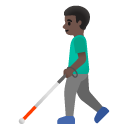
👨🏿🦯
The Emoji
Man With White Cane: Dark Skin Tone
U+1F468 U+1F3FF U+200D U+1F9AF · :man_with_white_cane_dark_skin_tone:
Trend 38
Meaning layers
- interpretation
- Used to express being figuratively 'blind' to something, navigating life without a clue, or metaphorically stumbling through situations. Also used sincerely in disability representation and accessibility advocacy.
- tiktok usage
- Appears in videos about 'navigating life blindly,' relatable content about ignoring red flags, or serious disability awareness content. Occasionally used humorously when someone admits they didn't see something obvious.
- irony level
- 4 / 10
Platform meanings
- meaning
- Represents either genuine disability visibility or the popular metaphor of being oblivious to something obvious. Used in both serious advocacy videos and comedic self-roasting content.
- trend usage
- Appears in POV-style videos, 'ignoring red flags' trends, and disability awareness challenges. Used in comment sections to indicate someone missed something obvious.
- hashtags
- #DisabilityAwareness#BlindToRedFlags#AccessibilityMatters#DisabilityPride#NavigatingLife
- virality score
- 42 / 100
Cultural meanings
🇺🇸
Western / Gen-Z
Used both sincerely for disability representation and ironically in 'walking past red flags' meme formats. Gen Z appreciates the skin tone diversity and uses it in self-deprecating humor about obliviousness.
🇵🇰
Pakistan & India
Primarily interpreted literally as representing a visually impaired person. Used in disability awareness campaigns and discussions about accessibility rights, which are growing in visibility across both countries.
🌍
Middle East
Generally interpreted as a symbol of disability and is used respectfully in health and welfare discussions. Disability advocacy is growing in the region and this emoji appears in related content.
🌐
Global Neutral
Universally recognized as a symbol of visual impairment and the use of a white cane. Represents accessibility, disability inclusion, and navigational independence.
🇧🇩
Bangladesh
Interpreted literally as a person with visual impairment. Used in social welfare discussions and disability rights content, with growing usage in NGO and advocacy communications.
🇱🇰
Sri Lanka
Used in disability awareness content and social welfare discussions. The white cane is recognized as a symbol of blindness across South Asian cultures including Sri Lanka.
🇨🇳
China
Interpreted as a symbol for blind individuals, aligned with China's growing disability rights discourse. Used in accessibility policy discussions and social welfare content on platforms like WeChat.
🇯🇵
Japan
Recognized as representing a visually impaired person, consistent with Japan's strong culture of accessibility symbolism in public spaces. Used respectfully in disability advocacy and social welfare content.
🇰🇷
South Korea
Used in disability rights discussions and K-content about inclusion. Koreans may also use it metaphorically in text conversations to indicate someone missed something obvious.
🇹🇼
Taiwan
Recognized as a disability representation emoji. Taiwan's progressive stance on disability rights means this emoji appears in genuine advocacy and awareness content.
🇭🇰
Hong Kong
Used in disability advocacy and accessibility discussions. Also occasionally used in metaphorical contexts in social media commentary about missing obvious information.
🇵🇭
Philippines
Primarily interpreted as representing a blind person. Used in disability awareness content and community support discussions. Dark skin tone representation is particularly resonant.
🇮🇩
Indonesia
Recognized as a symbol of visual impairment. Used in disability awareness campaigns, health content, and discussions about accessibility in Indonesian cities.
🇹🇭
Thailand
Interpreted as representing a visually impaired person. Used in disability awareness content and social support discussions. Metaphorical use is less common.
🇻🇳
Vietnam
Primarily used in disability advocacy and social welfare discussions. The white cane is understood as a global symbol for blindness across Vietnamese online communities.
🇲🇾
Malaysia
Used in disability rights and accessibility discussions. The diverse racial makeup of Malaysia makes the skin tone representation particularly meaningful to some communities.
🇸🇦
Saudi Arabia
Interpreted respectfully as a symbol of disability. Used in social welfare and charity contexts, aligning with Islamic emphasis on care for disabled individuals.
🇦🇪
UAE
Used in disability advocacy and inclusion initiatives. The UAE's push for world-class accessibility standards has increased awareness of disability-related symbols and emojis.
🇪🇬
Egypt
Interpreted as a symbol of visual impairment. Used in disability awareness and charity contexts. Disability representation in Egyptian media is growing, giving this emoji increasing relevance.
🇹🇷
Turkey
Recognized as representing a visually impaired person. Used in social welfare discussions and disability rights advocacy, which has been growing in Turkish civil society.
🇮🇷
Iran
Primarily interpreted as a disability symbol. Used in welfare and social support discussions. Disability awareness campaigns on Persian-language social media increasingly use this emoji.
🇳🇬
Nigeria
The dark skin tone is particularly significant for Nigerian users, making this emoji resonate strongly as representation. Used in disability advocacy and discussions about accessibility in Nigerian infrastructure.
🇿🇦
South Africa
The dark skin tone representation holds cultural weight. Used in disability rights discussions, with South Africa's constitution enshrining disability rights making this a recognized advocacy symbol.
🇬🇧
UK & Ireland
Used in disability representation content and accessibility advocacy. British disability rights organizations use it in social media campaigns. Occasionally used humorously for obliviousness.
🇫🇷
France
Interpreted as a disability symbol consistent with French inclusive values. Used in accessibility advocacy and disability rights discussions, occasionally appearing in metaphorical usage.
🇩🇪
Germany
Used in disability inclusion discussions aligned with Germany's strong social welfare system. Appears in corporate accessibility communications and disability advocacy content.
🇪🇸
Spain & Italy
Recognized as a disability representation emoji. Used in accessibility awareness and social inclusion discussions. Metaphorical use in commenting on obliviousness is occasional.
🇧🇷
Brazil
The visual of a dark-skinned person with a white cane resonates strongly in Brazil's racially diverse population. Used in disability rights discussions and social inclusion content.
🇲🇽
Mexico
Used in disability awareness discussions and social welfare content. Occasionally used humorously in Mexican internet culture to indicate someone was oblivious to something obvious.
🌎
Latin America
Recognized across Latin America as a disability symbol. Used in regional disability rights movements and social inclusion campaigns. Skin tone diversity adds representation value.
🇦🇺
Australia & NZ
Used in disability inclusion advocacy consistent with both countries' accessible design standards. Appears in NDIS-related discussions in Australia and disability rights content in New Zealand.
How its meaning shifted
- 2010
This specific emoji did not exist in 2010. General disability representation online was minimal and there were no skin tone modifier options available for any emoji.
- 2015
Basic disability-related emoji were beginning to emerge in Unicode discussions. Skin tone diversity proposals were being formalized but dark skin tone disability emojis were not yet available.
- 2020
Introduced and gaining traction as part of Unicode's disability and diversity push. Used primarily in disability advocacy circles and representation discussions. Meme usage beginning to develop.
- 2026
Established symbol used in both genuine disability representation and popular internet meme formats. Integrated into mainstream discourse about accessibility, red flags, and obliviousness. Dark skin tone specificity normalized as standard representation.
See it on every platform
Adjacent emojis
- Often confused with
- person walkingolder manman with probing cane
- Can replace
- person with white canewhite canewheelchair
Share & embed
Frequently asked
01What does the 👨🏿🦯 Man With White Cane: Dark Skin Tone emoji mean?
A man with dark skin tone using a white cane, typically associated with visual impairment or blindness. The white cane is an internationally recognized symbol for blind and low-vision individuals.
02What does 👨🏿🦯 mean on TikTok?
Represents either genuine disability visibility or the popular metaphor of being oblivious to something obvious. Used in both serious advocacy videos and comedic self-roasting content.
03What does 👨🏿🦯 mean on WhatsApp?
Sent when someone admits they completely missed something obvious or didn't notice a clear sign. Also used genuinely in conversations about visual impairment.
04What does 👨🏿🦯 mean in Gen-Z slang?
Used to express being figuratively 'blind' to something, navigating life without a clue, or metaphorically stumbling through situations. Also used sincerely in disability representation and accessibility advocacy.
05Is the 👨🏿🦯 emoji safe to use?
Disability representation, accessibility advocacy, visual impairment awareness, diversity and inclusion content.
06What does 👨🏿🦯 mean in texting?
Evokes feelings of solidarity and recognition for the visually impaired community. For those with disabilities, seeing a skin-tone-matched representation can trigger strong feelings of being seen and validated. In metaphorical use, it taps into vulnerability and self-aware humor.
07What is the shortcode for 👨🏿🦯?
The shortcode for Man With White Cane: Dark Skin Tone is :man_with_white_cane_dark_skin_tone:
08What does 👨🏿🦯 mean in dating?
Rarely used in flirting. If used, it might mean 'I was blind before I met you' or humorously 'I was stumbling through life until now.'
Safety & usage
- Safe meaning
- Disability representation, accessibility advocacy, visual impairment awareness, diversity and inclusion content.
- Caution
- Can be used mockingly to imply someone is 'blind' in a demeaning way, or to trivialize disability when used purely as a punchline without genuine comedic self-awareness.
Using this emoji to mock or demean blind individuals or as a lazy insult for stupidity can be considered ableist. Metaphorical use walks a fine line — self-deprecating humor is generally accepted, but using it to insult others can reinforce negative stereotypes about disability. Always consider context and intent.
How it looks across platforms


Appearance varies by platform and device. Google Noto, Twemoji, and OpenMoji are open-source.