🧝🏿♀️
The Emoji
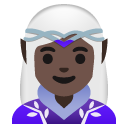
Woman Elf: Dark Skin Tone
U+1F9DD U+1F3FF U+200D U+2640 U+FE0F · :woman_elf_dark_skin_tone:
Trend 45
Meaning layers
- interpretation
- Used to express a mystical, ethereal, or otherworldly vibe; signals someone who is deeply into fantasy, cottagecore, dark academia, or fairycore aesthetics. Also used self-referentially by Black women embracing fantasy identity.
- tiktok usage
- Appears in fantasy aesthetic videos, dark fairy edits, and 'I'm not like other girls' reimagined as a celebration of magical identity rather than irony.
- irony level
- 3 / 10
Platform meanings
- meaning
- Represents fantasy identity, magical aesthetic personas, or a mystical alter ego. Used by dark-skinned creators to celebrate representation in fantasy spaces.
- trend usage
- Appears in fantasy transformation videos, cottagecore and fairycore edits, 'my DnD character' content, and Black fantasy creator communities.
- hashtags
- #BlackElf#FantasyAesthetic#DarkFantasy#FairycoreVibes#BlackGirlMagic
- virality score
- 52 / 100
Cultural meanings
🇺🇸
Western / Gen-Z
Widely embraced by Gen Z as a symbol of fantasy identity and representation; Black women use it to claim space in fantasy aesthetics that have historically excluded them.
🇵🇰
Pakistan & India
Less commonly used in South Asian digital culture; when used, it signals interest in Western fantasy media like Tolkien or fantasy gaming among younger, urban demographics.
🌍
Middle East
Used primarily by fantasy media fans and gamers; the skin tone dimension may be less noted, with the fantasy character aspect being the primary takeaway.
🌐
Global Neutral
Universally understood as a fantasy elf character; the dark skin tone variation is noted by those familiar with emoji skin tone system.
🇧🇩
Bangladesh
Primarily used by younger, digitally active Bangladeshis interested in fantasy gaming or anime-adjacent media; skin tone significance often secondary.
🇱🇰
Sri Lanka
Used by fantasy and gaming enthusiasts, particularly among younger urban Sri Lankans familiar with Western fantasy franchises.
🇨🇳
China
Elves are associated with Western fantasy imported through gaming; this emoji may appear in gaming communities referencing elven classes in popular RPGs.
🇯🇵
Japan
Connected to Western fantasy tropes; elf characters are also present in Japanese anime and manga (like Overlord, DanMachi), so the emoji resonates in those fan communities.
🇰🇷
South Korea
Used in gaming and fantasy manhwa fan communities; K-pop fans may also use it to describe ethereal, otherworldly idol aesthetics.
🇹🇼
Taiwan
Seen in RPG gaming communities and fantasy fiction fan circles; also in cosplay communities where elven characters are popular.
🇭🇰
Hong Kong
Used in gaming and geek culture circles; appreciated in communities that follow Western fantasy media and anime crossover fandoms.
🇵🇭
Philippines
Popular among Filipino fantasy gamers, cosplayers, and fans of Western fantasy fiction; also used in online RPG communities to represent characters.
🇮🇩
Indonesia
Used in gaming and anime-adjacent communities by younger Indonesians; the fantasy elf archetype is familiar through both Western media and local game translations.
🇹🇭
Thailand
Used by Thai gamers and cosplayers; elven aesthetics resonate in Thailand's strong cosplay and fantasy gaming culture.
🇻🇳
Vietnam
Appears in gaming communities and among fans of fantasy media; younger Vietnamese users familiar with RPGs use it for character representation.
🇲🇾
Malaysia
Used in gaming, cosplay, and fantasy fan communities; appreciated by multicultural Malaysian digital users familiar with elven fantasy archetypes.
🇸🇦
Saudi Arabia
Used mainly by younger, tech-savvy Saudis in gaming contexts; fantasy media consumption is high among youth, making the emoji recognizable.
🇦🇪
UAE
Used in gaming and fantasy media fan circles in the UAE's diverse, cosmopolitan digital space; skin tone representation resonates with some users.
🇪🇬
Egypt
Appears in Egyptian gaming and fantasy fan communities; younger Egyptians familiar with Western and Arabic fantasy media may use it to signal fantasy interests.
🇹🇷
Turkey
Used in Turkish gaming communities and among fans of fantasy media; Turkey has a strong fantasy gaming culture where elven characters are familiar.
🇮🇷
Iran
Used by younger Iranians in gaming and fantasy fandoms; despite media restrictions, fantasy content consumption is significant among Iranian youth.
🇳🇬
Nigeria
Strongly embraced by Nigerian Gen Z and millennials reclaiming fantasy aesthetics; the dark skin tone variant is particularly meaningful in Black fantasy and Afrofantasy discourse.
🇿🇦
South Africa
Used in South African nerd and gaming communities; the dark skin tone variant resonates especially among Black South Africans celebrating fantasy representation.
🇬🇧
UK & Ireland
Widely used in fantasy fandom communities; the UK's rich fantasy literary tradition (Tolkien, C.S. Lewis) gives this emoji strong cultural resonance in both ironic and sincere usage.
🇫🇷
France
Used in French gaming and fantasy fan communities; also appears in discussions around diversity in French genre fiction and media.
🇩🇪
Germany
Used in German RPG, DnD, and fantasy gaming communities where elven archetypes are well-established; Germany has a strong tabletop gaming culture.
🇪🇸
Spain & Italy
Used in fantasy gaming and media fan communities; also appears in cosplay circles and discussions about diversity in European fantasy media.
🇧🇷
Brazil
Used in Brazilian gaming and fantasy fan communities; the Brazilian Black nerd and afrofuturism communities use the dark skin tone variant to celebrate fantasy representation.
🇲🇽
Mexico
Used in Mexican gaming and fantasy fan communities; also resonates in afrofantasy and indigenous fantasy discussions where diverse magical characters matter.
🌎
Latin America
Across Latin America, used in gaming and fantasy fan communities; gaining significance in Afro-Latino communities embracing diverse fantasy identities.
🇦🇺
Australia & NZ
Used in Australian and New Zealand gaming and fantasy communities, which have strong RPG and fantasy fandoms; skin tone representation is noted and celebrated in inclusive spaces.
How its meaning shifted
- 2010
This emoji did not exist in 2010; elf and fantasy emojis were not part of the Unicode standard, and skin tone modifiers were not yet implemented.
- 2015
Still not available; fantasy character emojis and diverse skin tone options were in development but elves specifically had not been added to Unicode yet.
- 2020
Introduced as part of Unicode 10.0 (2017) with skin tone support added; by 2020 it was being used by fantasy fans, DnD players, and Black women celebrating fantasy representation.
- 2026
Established as a key emoji for Black fantasy identity online, afrofantasy discourse, and inclusive fantasy media celebration; widely used across fantasy gaming, cosplay, and creative communities.
See it on every platform
Compare with
Adjacent emojis
- Often confused with
- woman fairy dark skin tonewoman geniewoman vampire
- Can replace
- sparkleswoman fairyleaf fluttering in wind
Share & embed
Frequently asked
01What does the 🧝🏿♀️ Woman Elf: Dark Skin Tone emoji mean?
A woman elf with dark skin tone, depicting a fantasy humanoid creature with pointed ears associated with magical folklore, particularly Tolkien-inspired elves.
02What does 🧝🏿♀️ mean on TikTok?
Represents fantasy identity, magical aesthetic personas, or a mystical alter ego. Used by dark-skinned creators to celebrate representation in fantasy spaces.
03What does 🧝🏿♀️ mean on WhatsApp?
Used casually to express a whimsical or magical mood, or to identify as a fantasy fan in conversation.
04What does 🧝🏿♀️ mean in Gen-Z slang?
Used to express a mystical, ethereal, or otherworldly vibe; signals someone who is deeply into fantasy, cottagecore, dark academia, or fairycore aesthetics. Also used self-referentially by Black women embracing fantasy identity.
05Is the 🧝🏿♀️ emoji safe to use?
A fantasy character emoji representing a dark-skinned female elf; used for self-expression, fandom identity, and creative personas.
06What does 🧝🏿♀️ mean in texting?
Reflects a desire for escapism and fantasy identification. For women of color, using the dark skin tone variant can signal intentional representation and pride in occupying spaces traditionally dominated by white fantasy tropes.
07What is the shortcode for 🧝🏿♀️?
The shortcode for Woman Elf: Dark Skin Tone is :woman_elf_dark_skin_tone:
08What does 🧝🏿♀️ mean in dating?
Used flirtatiously to suggest a magical, enchanting personality — 'I put a spell on you' energy. Can signal whimsy and creativity in a romantic context.
Safety & usage
- Safe meaning
- A fantasy character emoji representing a dark-skinned female elf; used for self-expression, fandom identity, and creative personas.
- Caution
- Rarely weaponized toxically; in very niche contexts may appear in harassment of fantasy media for featuring diverse characters, but this is not a primary misuse.
No significant safety concerns. Occasionally the emoji may be used dismissively when someone is being told they're 'living in a fantasy', but this is mild and contextual.
How it looks across platforms
Appearance varies by platform and device. Google Noto, Twemoji, and OpenMoji are open-source.