👩🏿🦽
The Emoji
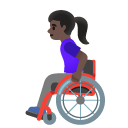
Woman In Manual Wheelchair: Dark Skin Tone
U+1F469 U+1F3FF U+200D U+1F9BD · :woman_in_manual_wheelchair_dark_skin_tone:
Trend 45
Meaning layers
- interpretation
- Used to represent disabled identity, chronic illness, disability pride, or accessibility advocacy. Also used in self-deprecating humor about being exhausted or metaphorically 'unable to move' due to burnout.
- tiktok usage
- Appears in disability awareness content, crip culture TikToks, representation posts, and sometimes humorously to say 'I'm done, I can't walk anymore' after a tough day.
- irony level
- 3 / 10
Platform meanings
- meaning
- Represents disability identity, adaptive living, accessibility advocacy, or physical exhaustion humor
- trend usage
- Common in #DisabilityTikTok, crip culture videos, wheelchair dance content, and representation commentary
- hashtags
- #DisabilityTikTok#WheelchairLife#DisabilityPride#CripCulture#AccessibilityMatters
- virality score
- 52 / 100
Cultural meanings
🇺🇸
Western / Gen-Z
Strongly associated with disability pride, crip culture, and representation politics; widely used by disabled Gen Z creators to reclaim their identity and push back against ableism.
🇵🇰
Pakistan & India
Primarily used in literal contexts to refer to someone who uses a wheelchair, often in medical or sympathy contexts; disability pride framing is less common but growing in urban, online spaces.
🌍
Middle East
Generally used with sympathetic or medical connotations; disability is often framed through a lens of compassion or divine will, so this emoji appears in prayers and well-wishes for disabled individuals.
🌐
Global Neutral
Universally recognized as representing a woman using a manual wheelchair; interpreted as a disability or accessibility symbol across most global contexts.
🇧🇩
Bangladesh
Used primarily in health-related and charity contexts; less common in everyday messaging but appears in disability NGO social media and awareness campaigns.
🇱🇰
Sri Lanka
Seen in medical and welfare contexts; used by disability NGOs and health advocates, with growing usage among younger urbanites discussing inclusion.
🇨🇳
China
Used to refer to disabled individuals in a straightforward, non-stigmatizing way in most contexts; disability pride culture is emerging but less mainstream than in Western spaces.
🇯🇵
Japan
Associated with accessibility and social welfare; Japan's strong accessibility infrastructure means this emoji sometimes appears in travel or public service contexts rather than purely personal identity posts.
🇰🇷
South Korea
Used in disability awareness campaigns and by advocates; K-pop fan communities occasionally use it in discussions about representation of disabled fans or artists.
🇹🇼
Taiwan
Appears in accessibility advocacy, social welfare posts, and disability rights discussions; Taiwan's progressive digital culture means some users frame it through an empowerment lens.
🇭🇰
Hong Kong
Used in accessibility and social services contexts; activism-oriented users employ it in disability rights discussions, especially in the context of public infrastructure critiques.
🇵🇭
Philippines
Primarily seen in medical, sympathy, or religious prayer contexts; growing use in disability advocacy on social media among younger Filipinos.
🇮🇩
Indonesia
Used in charity, health, and social welfare content; disability is often discussed through religious compassion frameworks, so this emoji pairs with prayer and support messages.
🇹🇭
Thailand
Associated with health and social welfare; Thai social media uses it in disability awareness campaigns and accessibility discussions, particularly around tourism infrastructure.
🇻🇳
Vietnam
Appears in disability welfare and NGO content; younger Vietnamese users increasingly use it in representation and accessibility advocacy contexts.
🇲🇾
Malaysia
Used in health, charity, and inclusivity content; multicultural Malaysian social media sees it in both secular advocacy and religious compassion contexts.
🇸🇦
Saudi Arabia
Primarily used in sympathy, prayer, or medical contexts; disability discourse is growing but largely framed through Islamic charitable giving and compassion.
🇦🇪
UAE
Used in inclusivity campaigns and government accessibility messaging; the UAE's push for smart, accessible cities means this emoji appears in official and advocacy content.
🇪🇬
Egypt
Seen in charitable, medical, and religious sympathy contexts; disability rights advocacy is a smaller but growing online discourse in Egyptian social media.
🇹🇷
Turkey
Used in health and welfare discussions; Turkish social media sees growing disability rights conversations where this emoji signals advocacy or personal identity.
🇮🇷
Iran
Primarily in medical or sympathetic contexts; disability is often discussed through social welfare and religious charity frameworks rather than identity politics.
🇳🇬
Nigeria
Used in health awareness, charity, and NGO content; some Nigerian disability advocates use it as a pride symbol, though it's more commonly associated with sympathy or prayer.
🇿🇦
South Africa
Used in disability rights advocacy, health content, and inclusivity campaigns; South Africa's active disability rights community uses it in both activist and personal identity contexts.
🇬🇧
UK & Ireland
Widely used in disability rights discussions, accessibility advocacy, and personal identity expression; the UK's strong disability activism culture embraces it as a pride symbol.
🇫🇷
France
Used in disability advocacy and accessibility discussions; French users also employ it in social equity conversations, though disability pride culture is less prominent than in Anglophone spaces.
🇩🇪
Germany
Associated with accessibility, social inclusion, and disability rights; German users use it in welfare policy discussions, accessibility advocacy, and personal representation.
🇪🇸
Spain & Italy
Used in medical, welfare, and accessibility contexts; disability rights movements in both countries are growing, and younger users increasingly frame it as an identity and pride symbol.
🇧🇷
Brazil
Used in disability awareness, health, and social inclusion content; Brazilian disability activists use it prominently, and it appears frequently during Disability Pride Month.
🇲🇽
Mexico
Seen in health, charity, and disability awareness contexts; Mexican social media uses it in accessibility advocacy and increasingly in disability identity expression.
🌎
Latin America
Broadly used across Latin America in health, NGO, and social justice contexts; disability rights framing is growing, particularly among younger, digitally active populations.
🇦🇺
Australia & NZ
Strongly embraced in disability pride and representation contexts; both countries have active disability advocacy communities online that use this emoji as an identity and solidarity symbol.
How its meaning shifted
- 2010
This specific emoji did not exist in 2010; wheelchair representation was minimal in digital communication and disability topics were rarely discussed openly on social media.
- 2015
Still pre-introduction; generic wheelchair symbol emoji existed but lacked gender or skin tone specificity; disability discussions on social media were growing but emoji representation lagged.
- 2020
Newly introduced (Unicode 12.0, 2019); early adoption by disability advocates, disabled creators, and representation advocates; used primarily in serious disability rights and identity contexts.
- 2026
Established as a key disability pride and identity emoji; widely used in crip culture content, accessibility advocacy, adaptive sports, and disability representation discussions across all platforms.
See it on every platform
Compare with
Adjacent emojis
Share & embed
Frequently asked
01What does the 👩🏿🦽 Woman In Manual Wheelchair: Dark Skin Tone emoji mean?
A woman with dark skin tone using a manual (self-propelled) wheelchair, representing disability, mobility aid usage, and physical accessibility.
02What does 👩🏿🦽 mean on TikTok?
Represents disability identity, adaptive living, accessibility advocacy, or physical exhaustion humor
03What does 👩🏿🦽 mean on WhatsApp?
Indicates someone uses a wheelchair, referencing a disabled person in conversation, or expressing extreme tiredness
04What does 👩🏿🦽 mean in Gen-Z slang?
Used to represent disabled identity, chronic illness, disability pride, or accessibility advocacy. Also used in self-deprecating humor about being exhausted or metaphorically 'unable to move' due to burnout.
05Is the 👩🏿🦽 emoji safe to use?
Represents a dark-skinned woman using a manual wheelchair; used for disability representation, accessibility advocacy, and identity expression.
06What does 👩🏿🦽 mean in texting?
This emoji carries strong identity and representation weight. For disabled users, it can function as a symbol of pride and visibility; for non-disabled users, it often signals allyship or advocacy. Its use reflects the ongoing cultural shift from viewing disability as tragedy to framing it as identity.
07What is the shortcode for 👩🏿🦽?
The shortcode for Woman In Manual Wheelchair: Dark Skin Tone is :woman_in_manual_wheelchair_dark_skin_tone:
08What does 👩🏿🦽 mean in dating?
Rarely used in flirting contexts; primarily an identity or advocacy symbol rather than a flirtatious one.
Safety & usage
- Safe meaning
- Represents a dark-skinned woman using a manual wheelchair; used for disability representation, accessibility advocacy, and identity expression.
- Caution
- Can be misused in ableist memes to mock disability, in 'me after [event]' formats that appropriate disability for humor, or as a way to insult someone by implying they are incapacitated.
Using this emoji in 'I'm so tired I need a wheelchair' style humor is widely considered ableist by disability advocates. It should not be used to mock, diminish, or appropriate disabled experiences. The skin tone modifier adds racial specificity, so context around both disability and race is important.
How it looks across platforms


Appearance varies by platform and device. Google Noto, Twemoji, and OpenMoji are open-source.